Utah
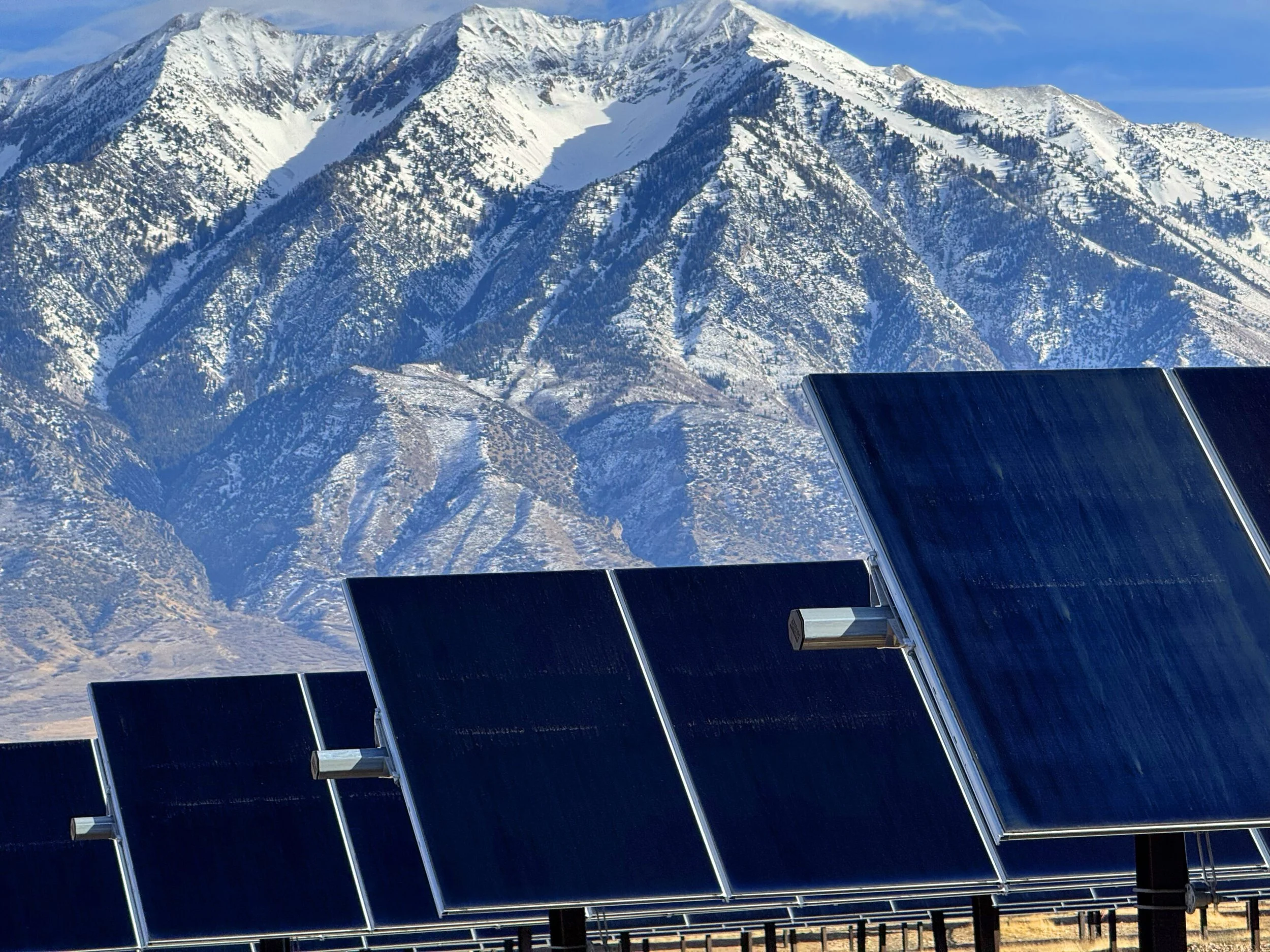
Over the past decade, Utah’s stance on solar development has shifted from aggressive promotion to a more measured, economically driven approach. In the early 2010s, the state actively incentivized both residential and commercial solar through the Renewable Energy Systems Tax Credit, which reduced installation costs and encouraged investment in renewable infrastructure. This period saw robust growth in utility-scale projects, including the Three Cedars and Escalante Solar Projects, demonstrating the viability of large-scale solar investment in Utah. For business owners and CEOs, these early policies created opportunities for both cost savings on energy and participation in emerging renewable markets.
Beginning in 2017, Utah began phasing out many of these financial incentives and ended traditional net metering for new residential solar customers, replacing it with a lower-value export credit system. While this primarily affected homeowners, it also signaled a broader trend toward recalibrating solar economics, impacting commercial projects and investor expectations. Businesses looking to implement rooftop solar or develop new solar projects had to adjust financial models to account for reduced state support, making careful evaluation of return on investment essential.
More recently, legislation such as HB264, SB192, and HB378 has introduced additional considerations for commercial and utility-scale developers. These include tying solar incentives to battery storage requirements, implementing generation taxes on new projects, and limiting incentives on productive agricultural land. For CEOs and business owners, this regulatory environment requires strategic planning not only to optimize energy savings but also to navigate emerging compliance and tax obligations. Projects now demand more sophisticated financial modeling, particularly for larger commercial installations that may be subject to both state and local regulations.
Despite these constraints, opportunities remain for businesses to leverage solar strategically. Statutory solar access laws and strengthened consumer protections ensure that companies can pursue solar development with fewer barriers related to land use or local restrictions. Additionally, ongoing growth in utility-scale solar continues to demonstrate the long-term viability of renewable investment in Utah. For forward-looking business leaders, success in this market hinges on understanding the evolving policy landscape, integrating storage solutions, and aligning solar initiatives with both economic and sustainability goals.
Unlock the full potential of solar energy for your business or home today. Whether you are a business leader seeking to reduce operating costs, enhance sustainability, and drive operational efficiency, or a homeowner looking to lower energy bills and increase property value, our team can provide tailored solutions to meet your goals. Fill out our contact form now, and one of our expert solar specialists will contact you within 24 hours to deliver a personalized plan and guide you step by step toward implementing solar. Don’t wait—every day you delay is energy savings left on the table. Take action today and start harnessing the power of solar.

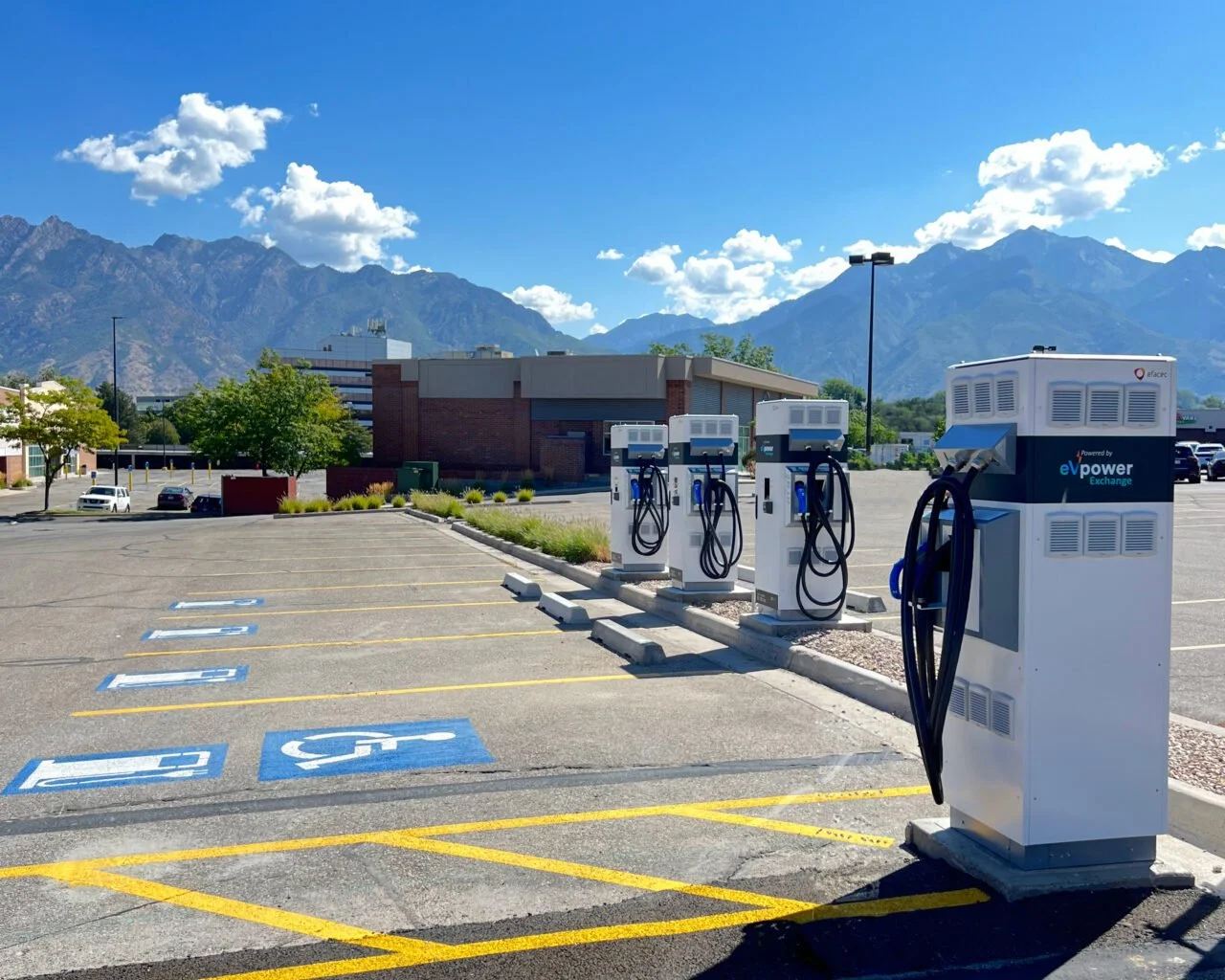
Utah is positioning itself as a forward-thinking leader in electric vehicle (EV) infrastructure, making it the perfect time for businesses to get ahead of the curve. The state has an approved National Electric Vehicle Infrastructure (NEVI) plan, focusing on strategically placing fast-charging stations along major highways and key corridors. This isn’t just about “going green”—it’s about capitalizing on a growing market of EV drivers who are actively seeking convenient charging locations, which can directly increase traffic to your business.
For commercial property owners and operators, Utah offers significant incentives to offset the cost of installing EV chargers. Through state rebate programs, utilities like Rocky Mountain Power, and federal tax credits, companies can recover a substantial portion of installation costs. This creates a low-risk opportunity to add value to your property, attract high-spending EV customers, and demonstrate corporate responsibility—all while benefiting from government-backed support.
Public-private partnerships are at the heart of Utah’s EV strategy, meaning businesses don’t have to go it alone. By hosting chargers, companies can leverage state and federal funds while maintaining control over operations and branding. This partnership model allows you to expand your services, differentiate from competitors, and position your company as a modern, sustainability-minded leader in your industry.
The market for EV charging is expanding rapidly, and early adopters will reap the rewards. Utah’s supportive regulatory environment, combined with generous incentives and strategic planning, creates a rare first-mover advantage for businesses. By investing in EV charging now, you can attract new customers, increase dwell time, enhance brand reputation, and future-proof your operations as the electric vehicle revolution accelerates across the state.
Utah’s wind power sector in 2026 remains modest, with roughly 390–400 MW of installed capacity contributing only a small fraction of the state’s electricity. While the state has significant theoretical wind potential, economic and transmission limitations have slowed large-scale development. Solar energy has historically outpaced wind due to stronger local resources and lower costs, making wind a secondary focus in Utah’s renewable energy mix.
State policy reflects a cautious, market-driven approach. Utah’s voluntary renewable portfolio goal targets 20% of adjusted retail sales by 2025 but does not mandate specific wind development. Recent legislation introduces annual assessments on large renewable facilities and tighter siting requirements, signaling a preference for careful, economically justified development rather than aggressive expansion. Policymakers aim to balance renewable growth with land use, wildlife protection, and revenue generation.
Looking forward, wind power is expected to grow incrementally, often in conjunction with energy storage or out-of-state procurement. The state prioritizes reliability and cost-effectiveness, favoring solar and storage where investments yield stronger returns. Wind is likely to play a supporting role in Utah’s energy strategy, with development influenced by market economics, regulatory conditions, and integration with broader grid infrastructure rather than by mandates or aggressive incentives.