

Solar Farms
Building solar farms offers several key advantages that can significantly contribute to sustainable energy development and environmental preservation. First and foremost, solar farms provide a clean and renewable energy source. Unlike fossil fuels, solar power generation emits little to no greenhouse gases, making it a critical component in the global effort to mitigate climate change. By harnessing the sun’s energy, solar farms reduce dependence on coal, oil, and natural gas, helping to lower carbon emissions and minimize the environmental impacts associated with traditional energy production.
In addition to environmental benefits, solar farms create substantial economic opportunities. They generate jobs in construction, operation, and maintenance, supporting local economies and providing long-term employment prospects. Furthermore, solar farms can often be built in rural or underdeveloped areas where land may be inexpensive, contributing to economic development in regions that may not otherwise have access to large-scale industries. The renewable energy sector, driven by solar power, also attracts significant investment, spurring technological innovation and further growth within the green energy market.
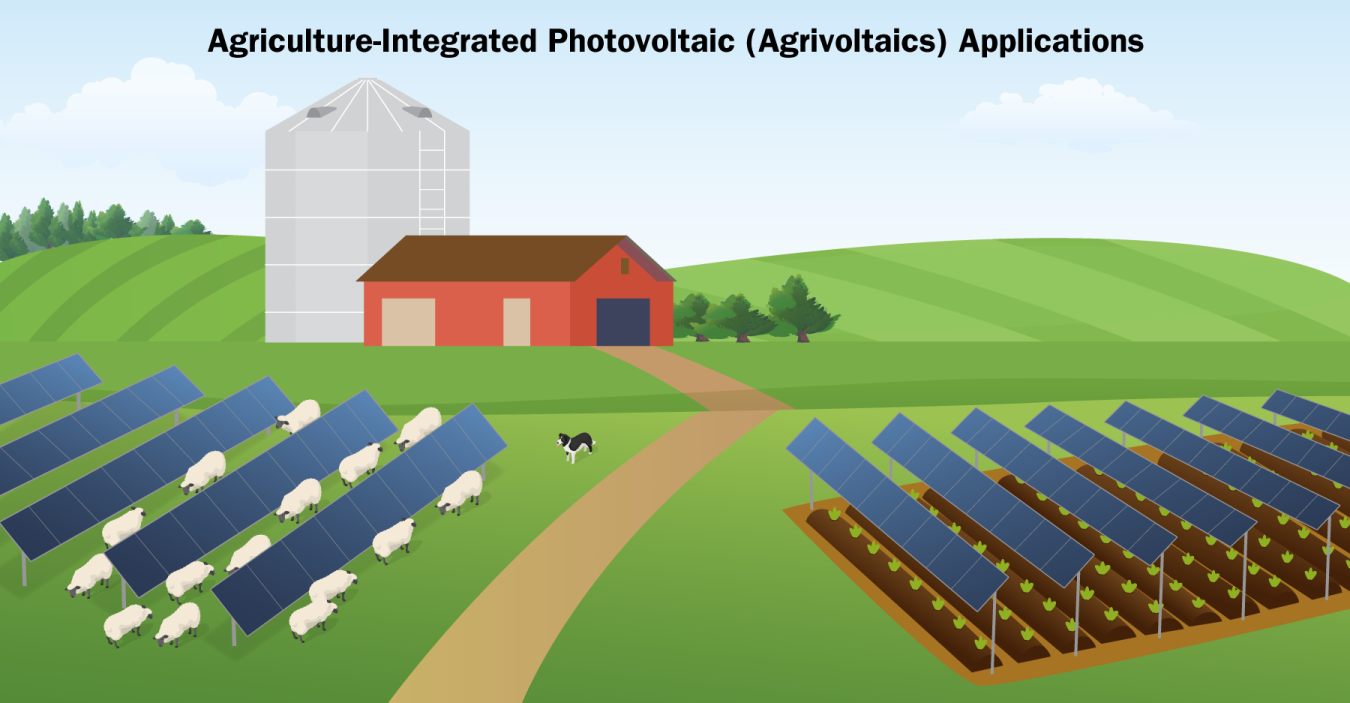
Another important advantage is the scalability and adaptability of solar farms. Solar panels can be installed in a variety of settings, ranging from small, distributed installations to large utility-scale operations, making solar energy accessible to both urban and rural areas. With advancements in solar technology and energy storage solutions, solar farms are becoming increasingly efficient and cost-effective. They can also be integrated with existing infrastructure, such as being placed on rooftops or alongside agricultural operations in "agrivoltaics," allowing for dual land use that boosts both energy production and food security. This adaptability makes solar farms a versatile and viable solution to meeting global energy demands.
The development of solar farms offers significant environmental and economic benefits; however, it also presents certain challenges that must be carefully considered. One major concern is the high initial capital investment required for large-scale solar installations. While solar energy can reduce long-term electricity costs, the upfront expenses for land acquisition, solar panels, inverters, and grid integration are substantial. These financial barriers can limit the feasibility of solar farms, especially for smaller utilities or private investors, and may require government incentives or long-term financing to make projects economically viable.
Another notable disadvantage is the impact on land use and local ecosystems. Solar farms often require large tracts of land, which can disrupt natural habitats, reduce agricultural space, and affect biodiversity. The conversion of open fields or marginal lands into solar installations may lead to soil erosion, changes in drainage patterns, and potential conflicts with local wildlife. These environmental trade-offs necessitate careful site selection, ecological assessments, and mitigation strategies to minimize negative impacts on surrounding communities and ecosystems.
In conclusion, while solar farms contribute to sustainable energy production, stakeholders must weigh these challenges carefully. High upfront costs can strain financial resources and slow project implementation, while the land use and ecological consequences demand thoughtful planning and monitoring. By addressing these concerns through strategic investment and environmentally conscious design, solar farm development can continue to expand responsibly and effectively.