

EV Car Charging
✳︎
Tesla
✳︎
KIA
✳︎
Hyundai
✳︎
Genesis
✳︎
Ford
✳︎
Toyota
✳︎
Lexus
✳︎ Tesla ✳︎ KIA ✳︎ Hyundai ✳︎ Genesis ✳︎ Ford ✳︎ Toyota ✳︎ Lexus
Building commercial EV charging stations presents a strategic growth opportunity as electric vehicle adoption accelerates worldwide. Governments are setting ambitious electrification targets, and automakers such as Tesla and Ford Motor Company continue expanding their EV portfolios, driving sustained demand for accessible charging infrastructure. For CEOs and business owners, investing early positions your company at the center of this long-term transition. By establishing charging assets now, you secure prime locations, build brand association with sustainability, and create a recurring revenue stream tied to a rapidly expanding customer base.
A second advantage is enhanced property value and customer attraction. Commercial EV charging stations increase foot traffic and dwell time, directly benefiting retail centers, hotels, multifamily properties, and office parks. EV drivers actively seek destinations where they can charge conveniently, and businesses that provide this amenity gain a competitive edge. Much like early adopters of solar installations or high-speed internet infrastructure, organizations that invest in charging solutions signal innovation, environmental leadership, and customer-centric thinking — qualities that resonate strongly with investors, partners, and modern consumers.
Finally, commercial charging infrastructure opens diversified revenue and partnership opportunities. Beyond direct charging fees, businesses can leverage energy management systems, advertising integration, fleet partnerships, and government incentives to improve ROI. With utility rebates, federal tax credits, and sustainability mandates expanding across regions, the financial case continues to strengthen. By partnering with an experienced EV infrastructure provider, you reduce implementation risk while accelerating time to market. The companies that act decisively today will not only support the future of mobility — they will profit from leading it.
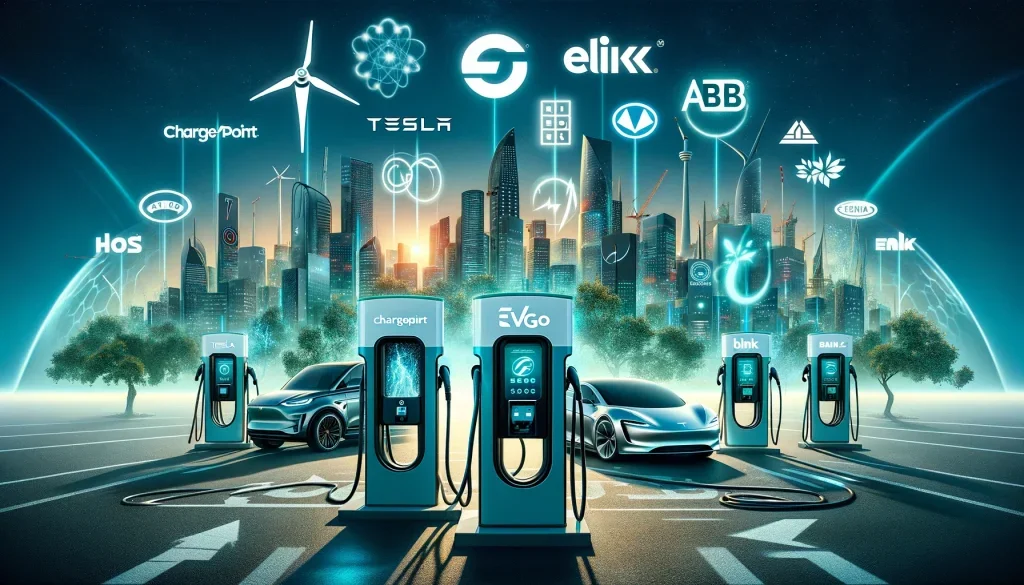
Building commercial EV charging stations presents several strategic challenges that CEOs and business owners must carefully evaluate. First, the upfront capital investment can be substantial. Beyond the cost of the chargers themselves, expenses often include site preparation, electrical upgrades, permitting, trenching, networking infrastructure, and ongoing maintenance contracts. In many cases, utility upgrades and demand charges can significantly impact total project costs and long-term operating margins. Without a clear utilization forecast and pricing strategy, it can take years to reach breakeven, especially in markets where EV adoption is still emerging.
Second, infrastructure and regulatory complexity can slow deployment and strain internal resources. Coordinating with local utilities, municipalities, and compliance bodies requires time, expertise, and project management discipline. Delays related to transformer capacity, grid interconnection approvals, or evolving local regulations can extend timelines and create uncertainty in ROI projections. For organizations without in-house energy or infrastructure specialists, navigating these variables can distract leadership teams from core business priorities.
Third, technology risk and market volatility must be considered. Charging hardware, payment platforms, and software ecosystems continue to evolve rapidly. Standards shift, new competitors enter the market, and customer expectations around speed, reliability, and user experience continue to rise. Investing in equipment that becomes outdated—or selecting a provider that lacks long-term stability—can erode brand reputation and financial returns. That said, these risks are manageable with the right strategic partner. By working with an experienced turnkey provider who understands utility coordination, incentive optimization, and scalable infrastructure design, forward-thinking leaders can mitigate downside risk while positioning their organization at the forefront of electrification. The key is not whether to participate in the EV transition, but how to execute it with discipline, foresight, and the right expertise at your side.