Rhode Island
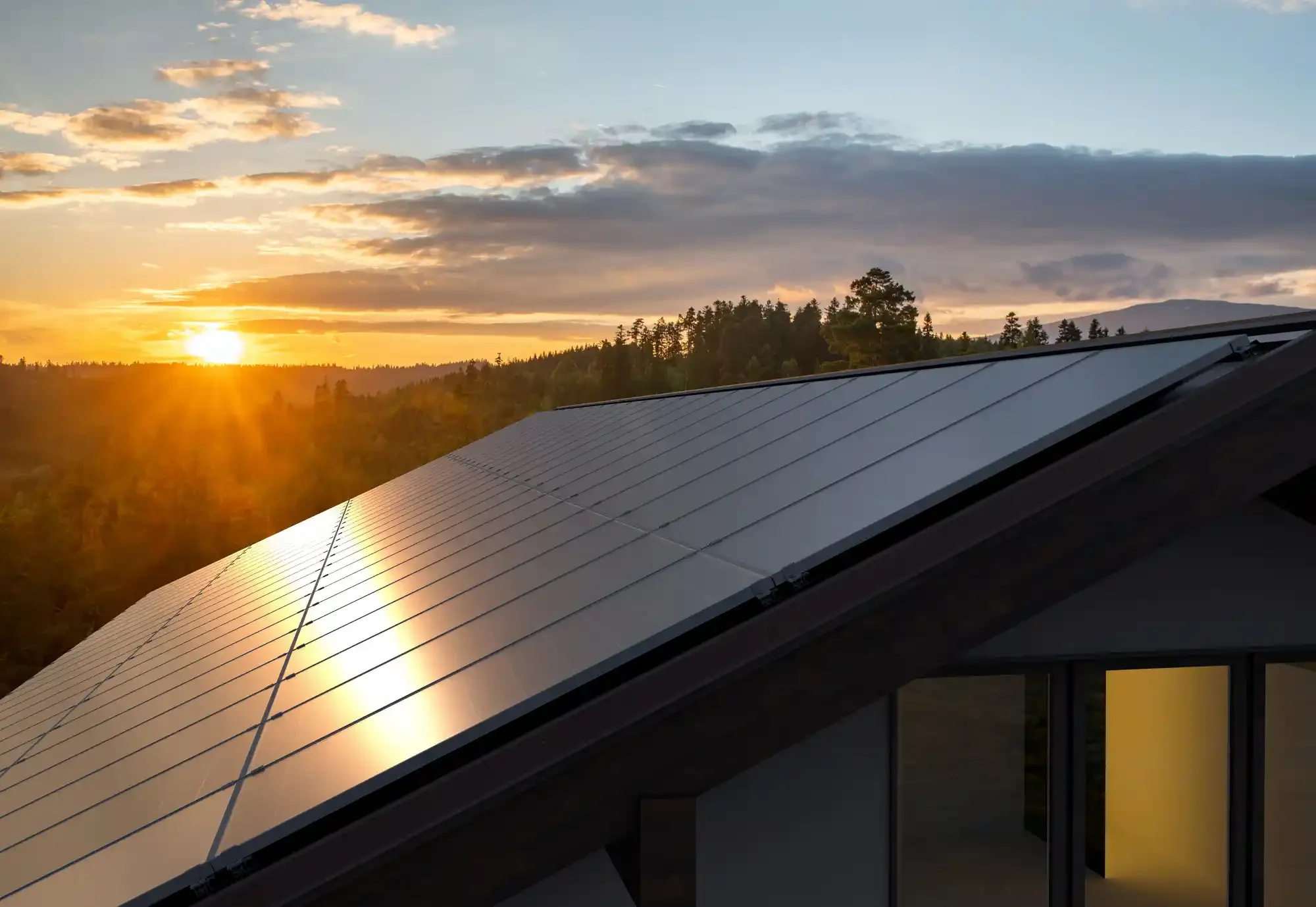
Over the past decade, Rhode Island has experienced significant growth in solar energy across both residential and commercial sectors. Residential rooftop solar installations have expanded steadily, supported by state programs such as net metering and the Renewable Energy Growth (REG) Program, as well as federal tax incentives. Community solar initiatives have further broadened access, enabling renters and multifamily households to participate in solar energy without owning property. Early grassroots programs, including Go Solar PVD, played a key role in raising awareness and driving adoption, while smaller commercial installations began to establish the foundation for larger-scale deployment.
In the commercial sector, Rhode Island has seen the development of several notable rooftop and ground-mounted solar projects. These include a 6.76 MW warehouse rooftop system in East Greenwich, smaller commercial installations in Pawtucket, and the 279 kW array at the National Elevator Industry Educational Program building in Warwick. Additionally, community solar projects, such as the 6.2 MW installations in Portsmouth, have provided renewable energy access to multiple subscribers while enabling businesses and nonprofits to benefit from solar generation. These projects underscore the state’s strategic emphasis on utilizing commercial rooftops and underused land for sustainable energy production.
Currently, Rhode Island’s solar landscape includes large-scale commercial and canopy projects, such as the planned 43 MW Quonset Hope Solar Canopy, which is expected to be the largest in North America. Both residential and commercial installations continue to benefit from state programs, including the REG Program, virtual net metering, and brownfield incentives, contributing to a total installed solar capacity of approximately 650 MW by 2025. Policy initiatives have also begun integrating solar with battery storage solutions to enhance grid reliability and support preferred-site development on rooftops, parking structures, and underutilized lands.
Looking forward, Rhode Island aims to achieve 100% renewable electricity by 2033, guiding the expansion of solar capacity across the state. Future development will likely focus on large-scale commercial and industrial installations, expanded community solar through programs such as CRNM v2, and integrated storage solutions. If you are considering bringing solar to your home or commercial property, fill out a contact form, and one of our solar professionals will reach out to you within 24 hours to discuss your options, evaluate your property, and design a solution that meets your energy needs while supporting Rhode Island’s clean energy goals.
Rhode Island has been a pioneer in offshore wind energy, starting with the Block Island Wind Farm, the first operational offshore wind farm in the United States, producing about 30 MW of power since 2016. By 2022, the state had set ambitious renewable energy goals, including a 100% renewable electricity standard by 2033, and passed legislation to procure 600–1,000 MW of additional offshore wind capacity. This set the stage for larger projects and marked Rhode Island as a leader in the nation’s transition to clean energy.
The Revolution Wind project, developed by Ørsted, represents the next major step in Rhode Island’s wind power expansion. Located about 15 miles off the coast, the project is designed to generate roughly 704 MW of electricity, enough to supply a significant portion of Rhode Island and neighboring Connecticut. By 2024, construction milestones had been achieved, including the installation of the first turbine, with full operational capacity expected around 2025–2026. Additional regional collaborations with Massachusetts have also added more offshore wind capacity for Rhode Island, further advancing the state’s renewable energy targets.
Looking forward, Rhode Island plans to continue expanding offshore wind capacity through new solicitations and multi‑state procurement efforts, potentially adding over 1,200 MW more. These developments are central to the state’s climate goals, aiming for net-zero emissions by 2050 and a fully renewable electricity grid by 2033. Beyond energy production, the offshore wind industry is expected to generate jobs, build infrastructure like marine terminals, and stimulate the local economy, ensuring that Rhode Island’s transition to clean energy benefits both the environment and its residents.

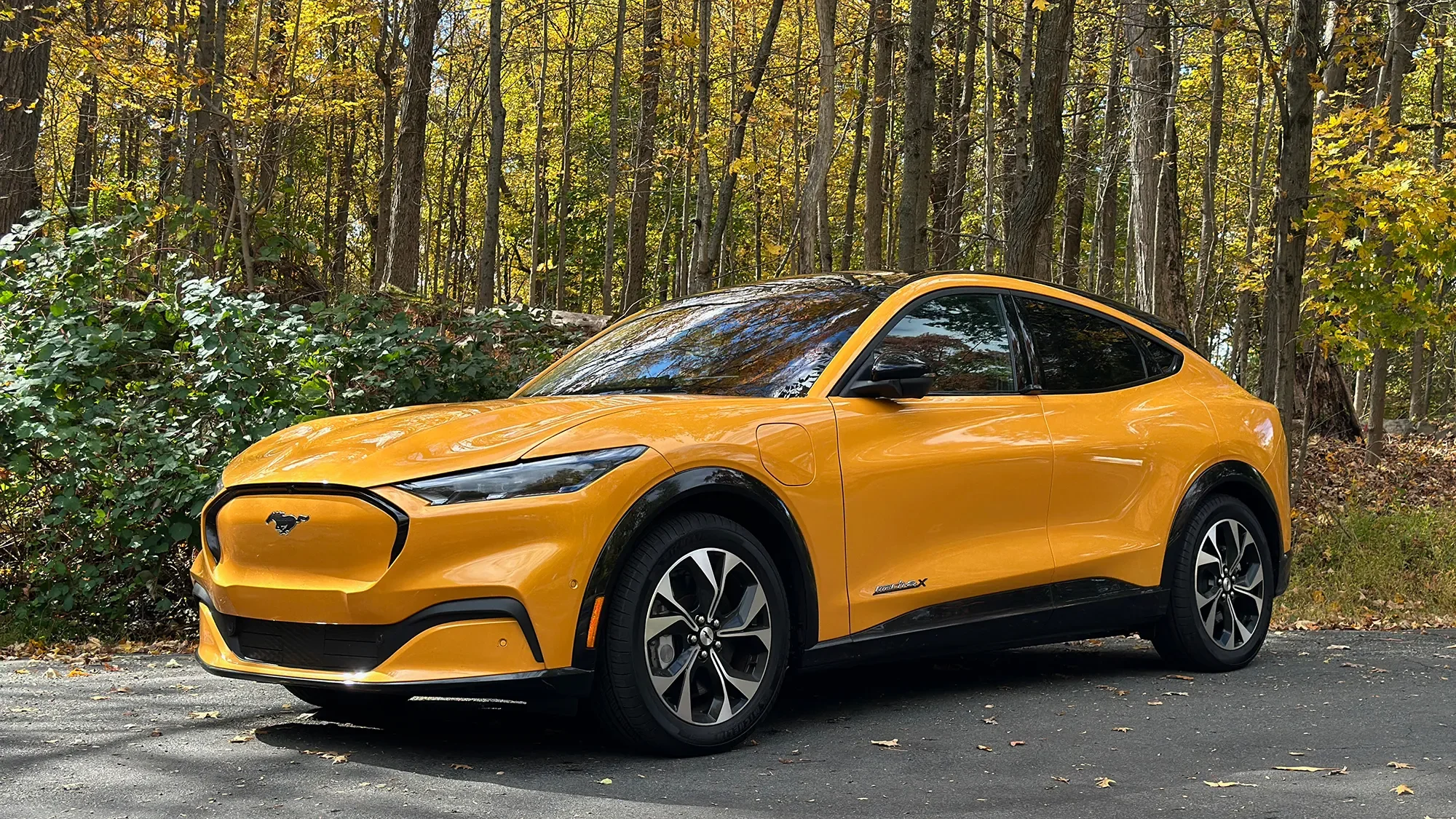
Rhode Island is advancing electric vehicle (EV) charging infrastructure development through 2026 and beyond as part of a coordinated state and federal strategy to support transportation electrification. A key driver of this progress is the National Electric Vehicle Infrastructure Program (NEVI), funded through the Bipartisan Infrastructure Law. Rhode Island was among the first states to complete its initial corridor deployment requirements, installing high-speed DC fast charging stations along major travel routes, including Interstate 95. These installations strengthen regional connectivity, enhance range confidence for EV drivers, and position the state as a leader in early NEVI implementation.
Looking ahead to 2026, Rhode Island is progressing into subsequent deployment phases focused on network expansion, reliability, and equitable access. The Rhode Island Office of Energy Resources continues to oversee strategic planning, emphasizing gap analysis, data-driven siting, and investment in underserved communities. Future funding rounds are expected to prioritize multi-port, publicly accessible fast-charging stations that meet federal uptime and interoperability standards. This structured expansion ensures that infrastructure growth aligns with projected EV adoption while maintaining compliance with national performance requirements.
In parallel with public corridor investments, the state is supporting residential and commercial charging expansion. Programs such as PowerUpRI provide financial incentives for Level 2 charger installations, helping reduce upfront costs for property owners and businesses. Legislative initiatives aimed at facilitating charger installations in multi-unit dwellings and commercial properties are further reducing structural barriers. These complementary efforts encourage distributed charging capacity, improve accessibility, and enhance overall grid resilience.
For businesses operating in Rhode Island, EV charging infrastructure represents both a sustainability initiative and a revenue-generating opportunity. Commercial properties, multifamily developments, hospitality venues, and fleet operators can all benefit from installing strategically placed charging stations. If you are interested in exploring EV charging solutions for your business in Rhode Island, please complete our contact form and one of our EV specialists will reach out to you within 24 hours to discuss site evaluation, incentives, design, and implementation options tailored to your needs.