Pennsylvania
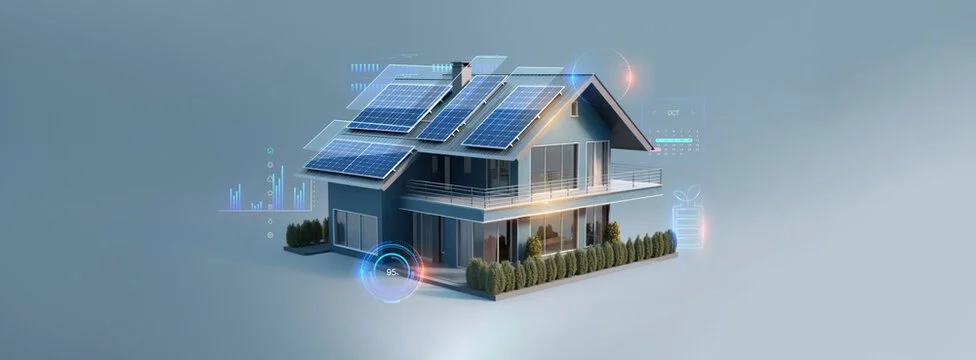
Over the past two decades, solar energy development in Pennsylvania has evolved from a modest beginning to an increasingly significant component of the state’s energy portfolio. In the early 2000s, solar installations were limited, with only a few megawatts of capacity statewide. Residential and small commercial rooftop systems began to gain traction during the 2010s as federal incentives, such as the Investment Tax Credit (ITC), improved the financial feasibility of solar adoption. Net metering policies, which provide credits for excess electricity exported to the grid, further encouraged participation. By the mid-2010s, Pennsylvania had established the regulatory and economic framework necessary to support broader residential and commercial solar deployment.
Between 2016 and 2025, the state experienced substantial growth in solar capacity, expanding from just a few megawatts to over 1,000 MW across residential, commercial, and utility-scale projects. Residential installations increased significantly in suburban and rural markets, while small to mid-size commercial rooftop systems on schools, factories, and office buildings also expanded steadily. Large-scale ground-mounted projects, such as the 220 MW Great Cove I & II solar facilities, illustrated the commercial and utility sectors’ capacity to scale solar deployment beyond rooftops. This period marked the consolidation of solar as a viable energy source for both homeowners and businesses throughout Pennsylvania.
By 2025, residential solar had become well-established, supported by continued federal incentives and Pennsylvania’s Alternative Energy Portfolio Standards (AEPS) program, which helped push total solar capacity beyond 2 gigawatts. Community solar programs, enabled through legislation such as HB 1155, were designed to allow residents and businesses to participate in shared solar farms without installing panels on their own property. Implementation rules were scheduled for April 2026, with the first community solar projects expected to be operational in late 2026 or early 2027, thereby expanding access and fostering broader participation from individuals and smaller commercial entities.
Looking forward from 2026, Pennsylvania’s solar market is positioned for continued growth across residential, commercial, and utility-scale projects. With approximately 7.2 GW of solar and 3.1 GW of energy storage projects in development, the state is expected to increase its solar generation capacity substantially. Continued reductions in photovoltaic system costs, ongoing federal incentives, the rollout of community solar programs, and supportive policies such as net metering and the AEPS will drive adoption. Both rooftop installations and larger commercial and utility-scale projects are anticipated to expand, solidifying solar as a cornerstone of Pennsylvania’s energy transition. If you are a Pennsylvania homeowner or business owner interested in exploring the potential benefits of solar energy, please complete our contact form, and one of our solar specialists will reach out within 24 hours.
Looking toward 2026 and beyond, Pennsylvania is positioning its wind energy sector within a broader modernization of its overall energy strategy. Governor Josh Shapiro has introduced the Lightning Plan, a comprehensive proposal aimed at updating the state’s energy framework, streamlining project permitting, and strengthening grid reliability. A central component of this initiative is the proposed Pennsylvania Reliable Energy Sustainability Standard (PRESS), which would replace and expand upon the existing Alternative Energy Portfolio Standards Act. If enacted, PRESS could set more ambitious clean energy targets while encouraging investment in wind, solar, energy storage, and grid infrastructure upgrades.
In addition to onshore development and repowering of existing wind facilities, policymakers are evaluating long-term offshore potential in Pennsylvania’s portion of Lake Erie. Legislative measures have directed feasibility studies and explored frameworks for leasing submerged lands to assess offshore wind viability. While no utility-scale offshore projects are currently under construction, these planning efforts signal growing institutional interest in expanding renewable capacity beyond traditional land-based sites. At the same time, Pennsylvania continues to balance renewable growth with its significant natural gas and nuclear generation assets, making reliability and economic competitiveness key considerations in any policy changes.
Overall, the state’s trajectory suggests cautious but meaningful progress toward expanding wind energy as part of a diversified and resilient energy portfolio. For stakeholders—whether developers, investors, municipalities, or landowners—this evolving policy landscape presents emerging opportunities. Organizations that proactively engage in planning, compliance preparation, and strategic partnerships will be well positioned to benefit as Pennsylvania advances its next phase of energy development.
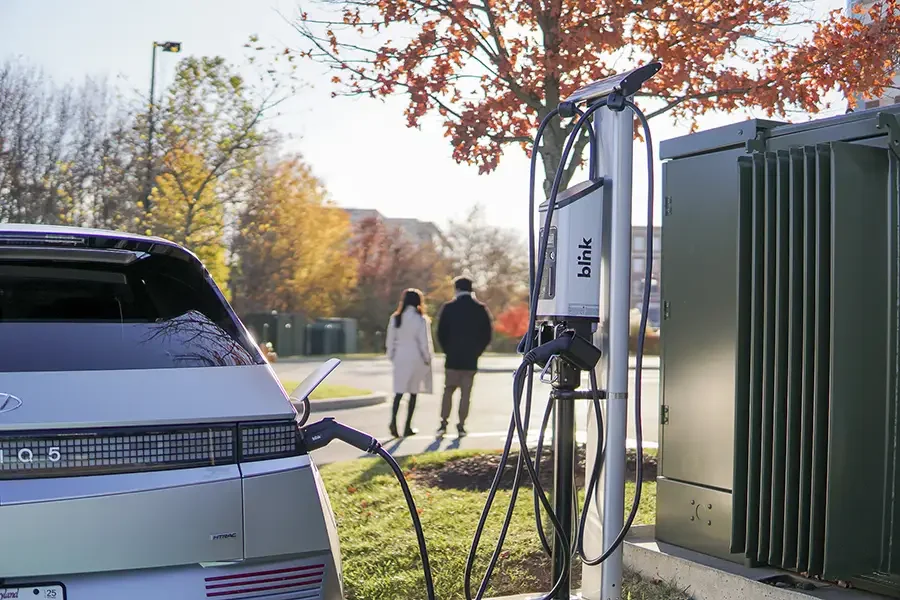
Pennsylvania’s position in 2026 demonstrates a strategic and sustained commitment to expanding electric vehicle (EV) charging infrastructure throughout the Commonwealth. Through the federal National Electric Vehicle Infrastructure (NEVI) Program, the state has prioritized the deployment of fast-charging stations along major transportation corridors to support reliable long-distance travel. PennDOT oversees the allocation of these funds, ensuring compliance with federal standards while advancing coverage along designated Alternative Fuel Corridors to enhance network reliability and encourage private-sector participation.
In 2026, the Commonwealth has shifted additional focus toward “community charging,” expanding access beyond highways into municipalities, commercial centers, and other publicly accessible locations. This initiative leverages substantial federal funding to improve everyday charging accessibility, particularly for residents without at-home charging options, supporting broader EV adoption across urban, suburban, and rural areas. The approach reflects an understanding that widespread EV adoption depends not only on long-distance travel infrastructure but also on convenient, local charging solutions.
Complementing these efforts, Pennsylvania maintains targeted incentive programs to support infrastructure growth. The Pennsylvania Department of Environmental Protection administers the Alternative Fuels Incentive Grant (AFIG) program, which provides financial assistance to municipalities, school districts, nonprofit organizations, and private enterprises pursuing EV charging and alternative fuel projects. At the same time, EV-specific registration fees have been implemented to ensure equitable contributions to transportation funding, reflecting a balanced approach to infrastructure expansion and fiscal sustainability.
Looking ahead, Pennsylvania is expected to continue advancing a coordinated strategy integrating public investment, private-sector engagement, and long-term transportation planning. The focus remains on equitable access, economic development, and grid integration as EV adoption increases. Business owners and corporate leaders interested in exploring innovative strategies to incorporate EV charging into their buildings or parking facilities are encouraged to complete a contact form. A dedicated EV specialist will respond within 24 hours to provide professional guidance and tailored solutions to support their infrastructure objectives.