

Oregon

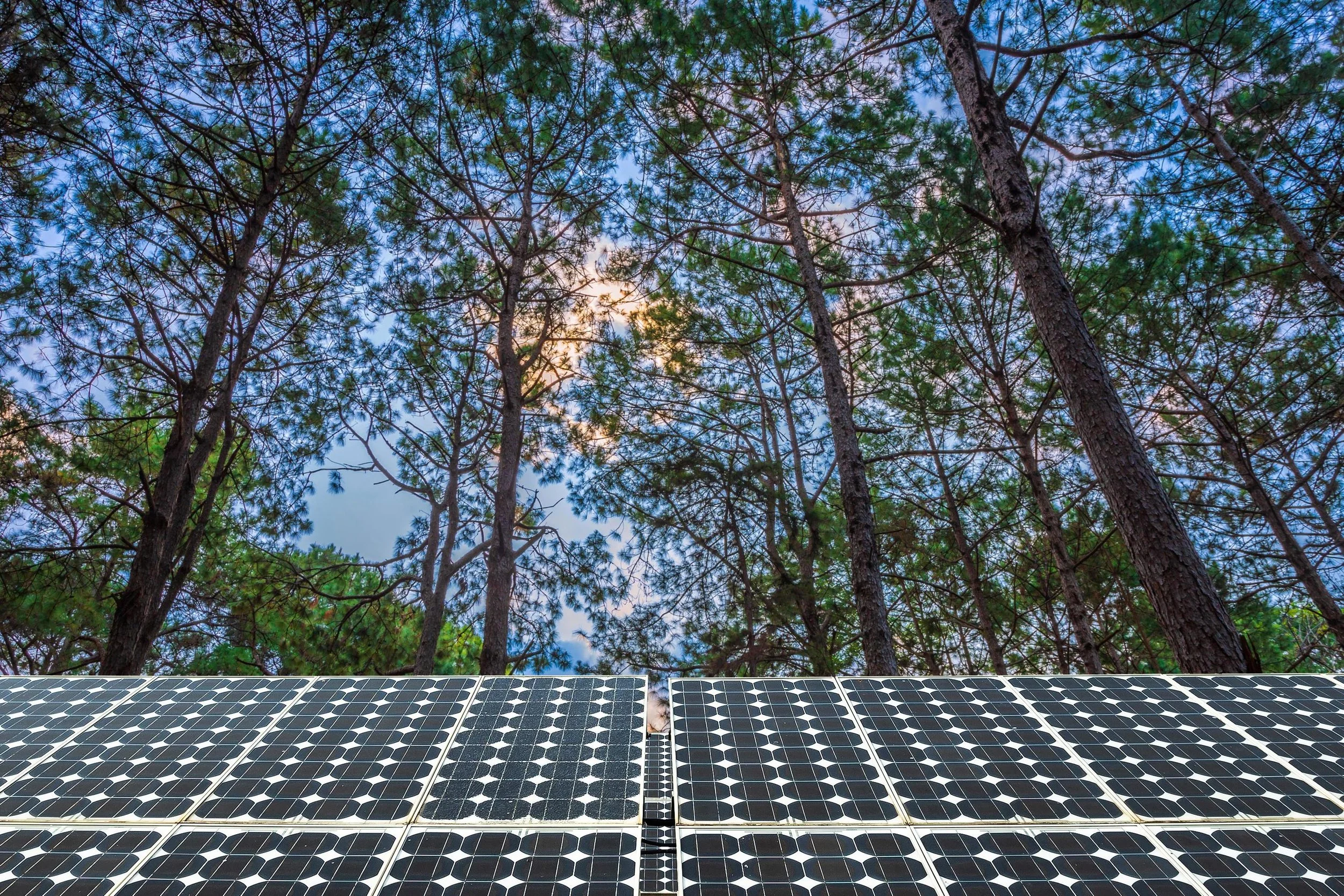
Over the past five years, Oregon has maintained a consistently supportive regulatory and policy environment for both residential and commercial solar development. Net metering—overseen by the Oregon Public Utility Commission—continues to require investor-owned utilities to credit customer-generators for excess electricity exported to the grid, with system size limits of up to 25 kW for residential and 2 MW for commercial installations. As of 2025, Oregon has approximately 2,058 MW of installed solar capacity, sufficient to power an estimated 268,000 homes, with continued growth projected as utilities work toward compliance with the state’s Renewable Portfolio Standard requiring 50% renewable electricity by 2040. This long-term statutory target has provided market certainty and sustained investment in distributed and commercial-scale solar projects.
State-administered incentives have further accelerated adoption. The Oregon Department of Energy launched the Solar + Storage Rebate Program in 2020, and by 2023 it had distributed approximately $5.3 million across 1,472 projects; in 2024, an additional $3.5 million supported more than 1,000 installations statewide. Average residential rebates have ranged from roughly $2,800 to $2,900 for standard participants, with low- and moderate-income households receiving average incentives exceeding $5,000 and eligibility for rebates covering up to 60% of net project costs. In parallel, the Oregon Community Solar Program has allocated nearly 58 MW of capacity, with more than 30 MW operational by late 2024, expanding access to renters, nonprofits, and businesses without viable on-site installation opportunities.
Looking ahead, Oregon’s policy trajectory remains firmly aligned with decarbonization, grid resilience, and expanded distributed energy integration. Ongoing refinements to permitting pathways, community solar expansion, and stable net metering structures position solar energy as a central component of the state’s long-term energy strategy. Organizations and property owners evaluating solar investments can benefit from a detailed assessment of site conditions, available incentives, and projected financial performance. If you are considering solar for your residence or business, we invite you to submit a contact form; a qualified solar specialist will respond within 24 hours to provide a comprehensive consultation tailored to your objectives.
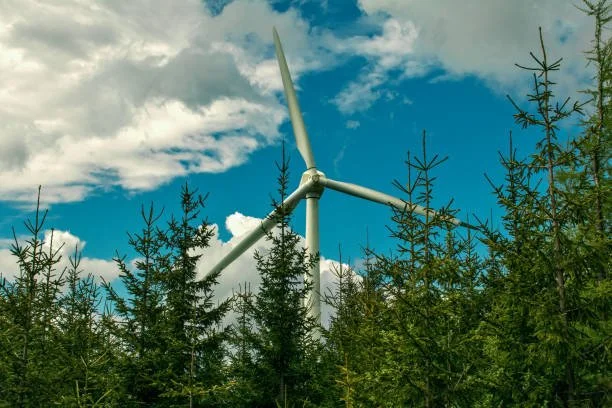
Oregon maintains a policy environment that is broadly supportive of commercial wind power as a core component of its long-term energy and climate strategy. Under the state’s Renewable Portfolio Standard, large investor-owned utilities are required to supply an increasing percentage of their electricity from qualifying renewable resources, reaching 50 percent by 2040. Wind energy—particularly utility-scale, onshore generation—has been a principal resource used to meet these statutory requirements. As a result, Oregon has developed established siting, permitting, and transmission planning processes that, while rigorous, are structured to facilitate responsible renewable energy development. Eastern Oregon, in particular, has become a significant hub for commercial wind generation due to its favorable wind resource and available land.
With respect to offshore wind, Oregon’s position is supportive but measured. Federal agencies have identified potential Wind Energy Areas off the Oregon coast suitable for floating offshore wind technology; however, the state has emphasized the importance of deliberate planning, stakeholder engagement, and environmental safeguards prior to large-scale leasing or construction. State legislation has directed the development of an offshore wind roadmap to ensure coordination with tribal governments, coastal communities, fisheries, labor interests, and environmental stakeholders. This approach reflects Oregon’s intent to align offshore wind development with economic, ecological, and community priorities.
In sum, Oregon’s stance on commercial wind power is constructive and policy-driven. The state has established clear renewable energy targets, a defined regulatory framework, and long-term demand signals that support continued wind development. For energy developers, infrastructure investors, and strategic partners, Oregon represents a stable and forward-looking market where commercial wind projects can align with statutory mandates, utility procurement needs, and statewide decarbonization objectives.
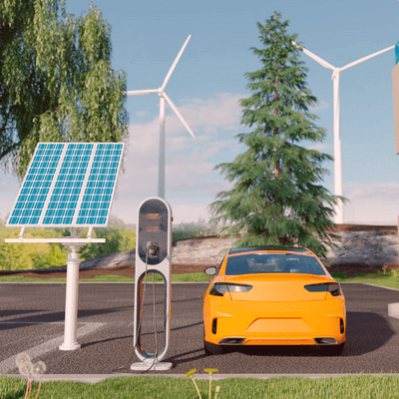
As of early 2026, Oregon has established a robust public electric vehicle (EV) charging network, comprising approximately 1,696 stations with 4,483 ports statewide. Of these, around 27 % are DC fast chargers, capable of delivering substantial range in short charging sessions, while the remainder are Level 2 stations suited for longer-duration or overnight charging. Major urban centers, including Portland, Salem, and Hillsboro, host the highest concentrations of public chargers. Despite this growth over recent years, the rapid expansion of EV adoption has created an ongoing need for additional charging capacity to meet rising demand.
To address long-distance travel requirements, Oregon is leveraging the National Electric Vehicle Infrastructure (NEVI) program, a federally funded initiative aimed at deploying high-power DC fast chargers along priority corridors. The state plans to establish approximately 50 DC fast charging stations under this program, with initial sites along I‑205 and I‑5 south of Eugene expected to become operational in the first half of 2026. A second round of NEVI-funded projects will target key routes including I‑84, US 20, US 26, US 101, and US 97, adding an estimated 40 additional stations. These stations are designed to deliver 150 kW or higher, operate 24/7, and accept multiple payment methods, thereby addressing critical gaps in charging accessibility, particularly in rural and high-traffic corridors.
Complementing highway-focused infrastructure, Oregon is expanding community-oriented charging through programs supporting Level 2 installations at workplaces, multifamily housing, and public parking areas. These initiatives are expected to contribute approximately 460 new Level 2 ports by 2026, increasing access in urban centers and underserved communities. Coupled with NEVI-funded fast chargers and additional federal grants for station maintenance and upgrades, these efforts aim to support the growing EV population in the state, which exceeds 100,000 registered vehicles, while ensuring equitable and reliable access to public charging infrastructure.
If you are interested in implementing EV charging stations at your business or would like to discuss investment opportunities, please complete our contact form, and one of our EV specialists will respond within 24 hours.