Oklahoma
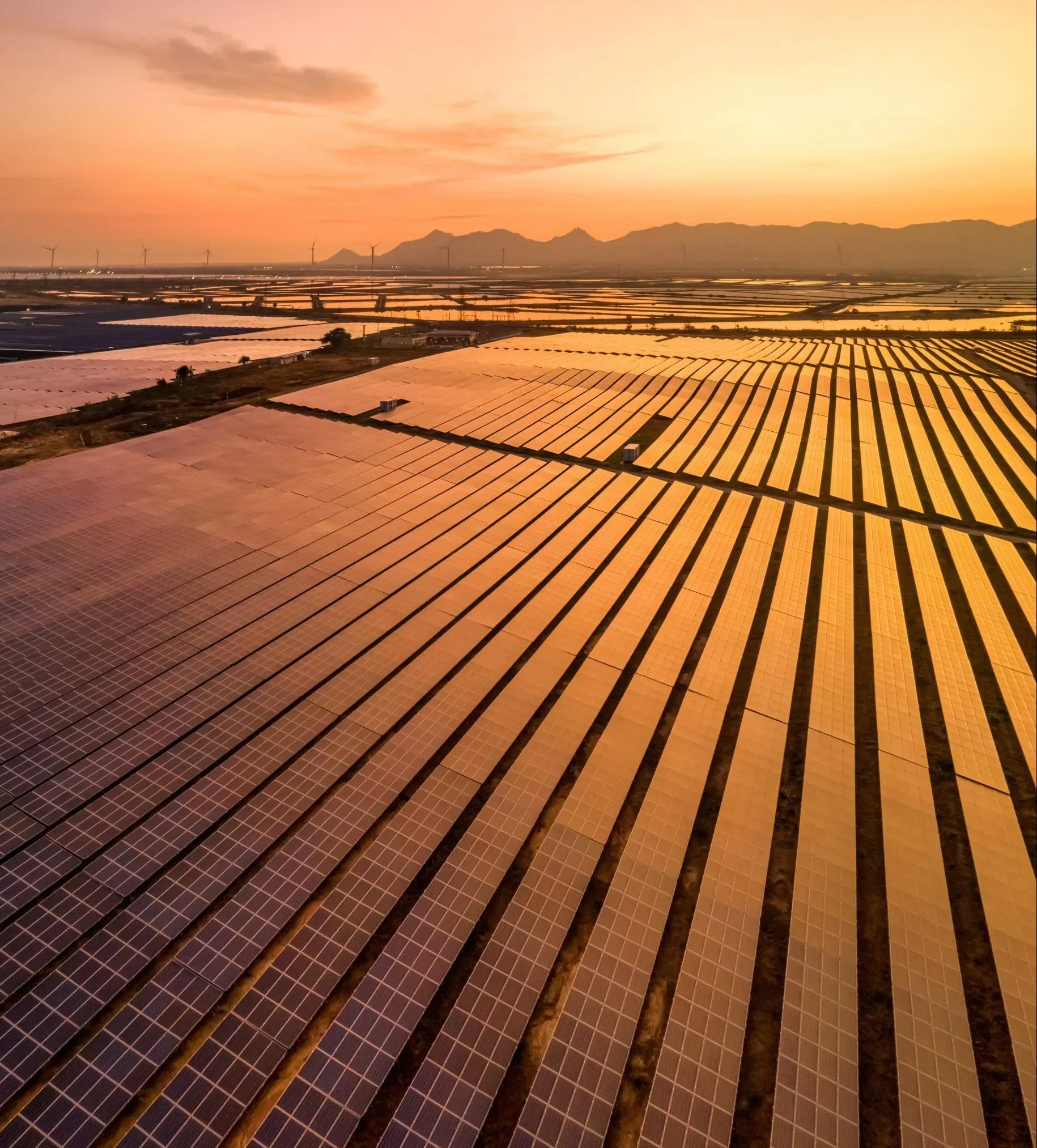
Over the past decade, Oklahoma has maintained a deliberate, market-oriented approach to solar energy development. Unlike many states, Oklahoma has not adopted a mandatory Renewable Portfolio Standard or implemented broad state-level solar incentives. Instead, adoption has been driven primarily by federal policy, declining equipment costs, and utility resource planning. In 2019, the Oklahoma Corporation Commission revised its distributed generation rules, increasing the net metering cap to 300 kW and removing aggregate participation limits, thereby expanding access for residential and small commercial customers.
Installed solar capacity in Oklahoma has grown steadily, reaching several hundred megawatts statewide, with utility-scale facilities comprising the majority of deployed capacity. National installation costs have declined by more than 60% over the past decade, materially improving project economics. The 30% federal Investment Tax Credit, extended under the Inflation Reduction Act, remains the primary financial driver for both residential and commercial projects in Oklahoma, where state-level rebates and tax credits are limited. Compensation for excess generation under net metering is based on avoided cost, which influences system sizing and financial modeling considerations.
Commercial and utility-scale development has progressed as utilities pursue long-term rate stability, fuel diversification, and grid modernization. Solar power purchase agreement pricing across the central United States has reached levels competitive with new conventional generation, supporting continued deployment where economically justified. Concurrently, recent legislative activity has introduced additional oversight measures—including setback requirements and decommissioning standards—to address land-use considerations and long-term site management. The policy framework reflects a balanced approach that allows development while emphasizing regulatory structure and stakeholder protections.
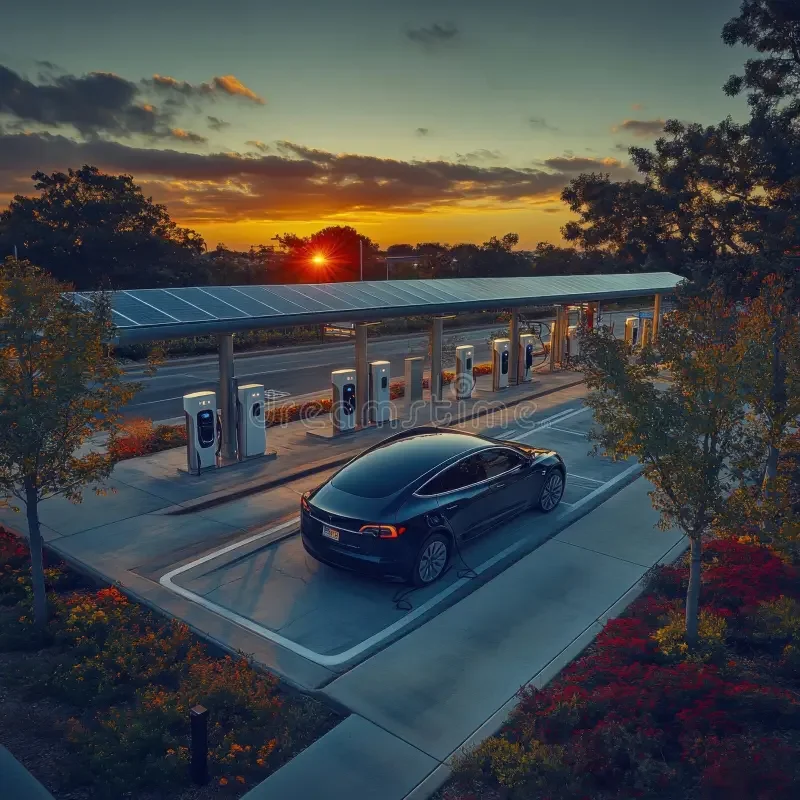
Looking ahead, Oklahoma’s solar market is positioned for disciplined and economically driven growth across both residential and commercial sectors. In addition to distributed generation, many property owners are evaluating integrated energy strategies that include electric vehicle charging infrastructure to support fleet electrification, tenant amenities, or residential transportation needs. Combining on-site solar with EV charging can enhance operational efficiency, improve sustainability metrics, and provide long-term cost control. Organizations and homeowners in Oklahoma evaluating solar and EV charging solutions are encouraged to submit a contact form to initiate a formal consultation. A residential or commercial energy specialist will respond within 24 hours to provide a detailed, site-specific assessment aligned with your operational and financial objectives.
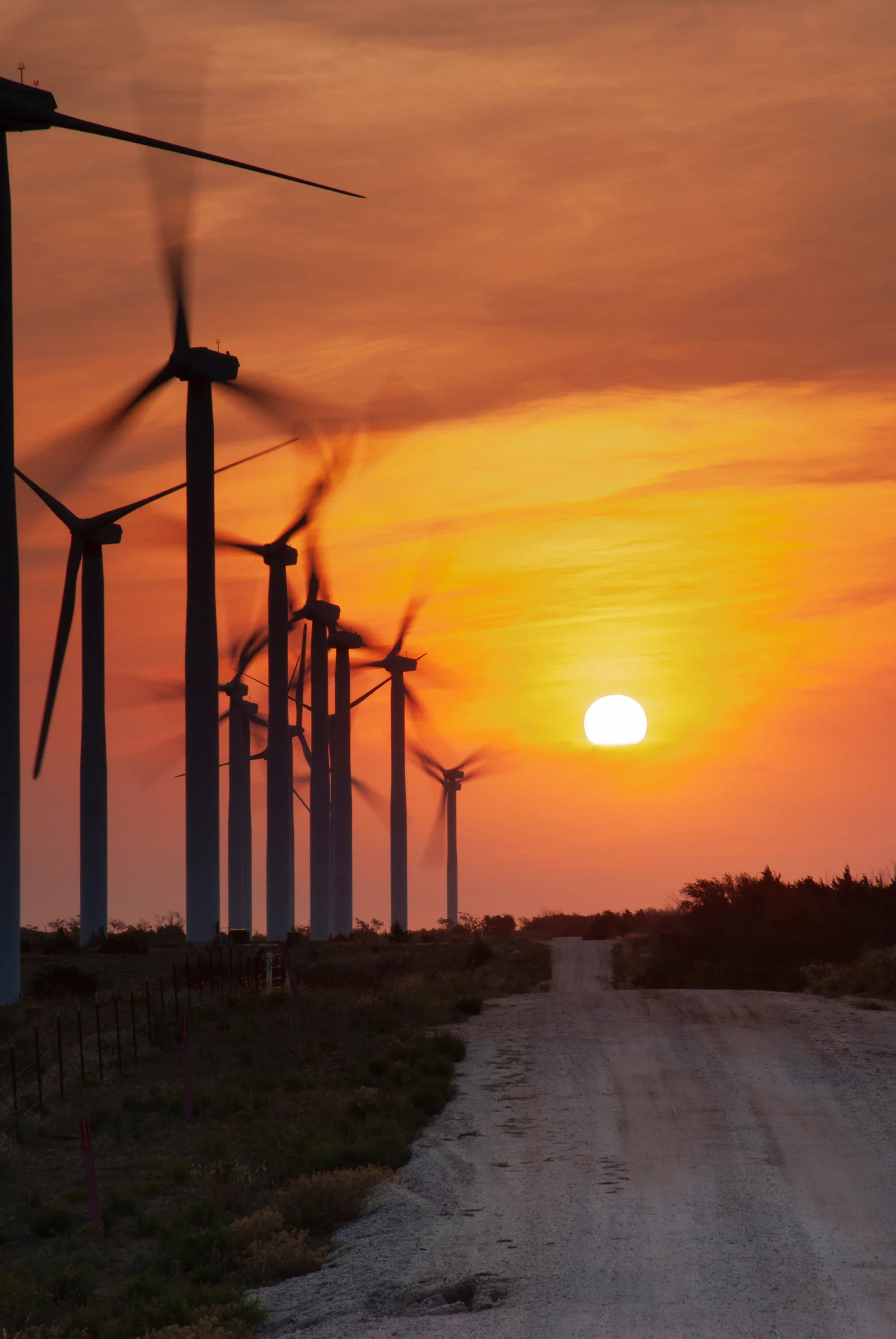
Over the past decade, Oklahoma has emerged as one of the leading wind energy producers in the United States. Since the mid-2010s, installed wind capacity in the state has approximately doubled, and wind generation now accounts for roughly 40% or more of total in-state electricity production in many years. Favorable wind resources, comparatively low land costs, and access to regional transmission infrastructure have supported the development of large-scale wind facilities across western and central Oklahoma. As a result, the state consistently ranks among the top wind-generating states nationally, alongside Texas and Iowa.
As of 2026, wind energy represents a foundational component of Oklahoma’s power generation portfolio, operating in conjunction with natural gas and a growing, though smaller, solar sector. The industry has contributed measurable economic benefits, particularly in rural communities, through long-term land lease payments, construction and operations employment, and increased local tax revenues supporting public services and education. At the same time, the pace of new installations has moderated compared to the rapid expansion observed in the late 2010s, reflecting transmission constraints, evolving policy frameworks, and increased scrutiny surrounding siting and land-use considerations.
Looking forward, wind power is expected to remain a central element of Oklahoma’s energy strategy, though future growth is likely to proceed at a more measured rate. Continued development will depend on transmission system enhancements, federal and state policy stability, regional electricity demand growth, and competition from other generation resources, including solar paired with battery storage. Given its strong wind resource base and established infrastructure, Oklahoma is well positioned to maintain its status as a national leader in wind energy production in the coming years.
Oklahoma’s electric vehicle (EV) charging infrastructure strategy for 2026 and beyond presents significant opportunities for business leaders and investors to participate in a rapidly growing market. Anchored in the National Electric Vehicle Infrastructure (NEVI) Formula Program, established under the federal Infrastructure Investment and Jobs Act, the state has secured approximately $66 million in federal funding through 2026 to develop a reliable and accessible network of fast-charging stations. Administered by the Oklahoma Department of Transportation (ODOT) in partnership with the Oklahoma Secretary of Energy and Environment (OSEE), the program is designed to ensure that private sector involvement aligns with statewide objectives, offering business owners the opportunity to strategically invest in locations that support long-distance travel and high-traffic corridors.
For businesses, the primary focus of Oklahoma’s plan is deploying high-speed chargers along key interstate corridors, including I‑35, I‑40, and I‑44, where stations are spaced roughly every 50 miles and include at least four 150 kW+ fast-charging ports with 24/7 access. Initial awards in 2024 funded the construction of 13 corridor charging stations, with operations expected to begin in 2025, and additional grants in 2026 continue to support installations at travel plazas, exits, and strategic commercial locations. For companies operating travel stops, retail centers, or hospitality properties along these corridors, integrating EV charging infrastructure represents a clear opportunity to attract and retain customers, increase dwell time, and enhance brand positioning in an increasingly electrified transportation ecosystem.
Beyond highway corridors, Oklahoma’s NEVI plan anticipates using remaining funds to expand charging infrastructure into community, rural, and tribal locations, creating additional revenue and engagement opportunities for businesses in underserved areas. Complementary state tax credits and utility incentives further reduce installation costs for commercial EV chargers, providing strong financial incentives for early adoption. By strategically investing in EV infrastructure now, CEOs and business owners can position their companies at the forefront of the EV transition, capitalize on federal and state support, and meet the growing consumer demand for accessible, convenient, and reliable electric vehicle charging throughout Oklahoma. If you are interested in working with a highly experienced EV team to bring effective EV charging solutions and electric vehicle development to your business, now is the ideal time to act—position your company for growth, sustainability, and long-term competitive advantage.