

Ohio
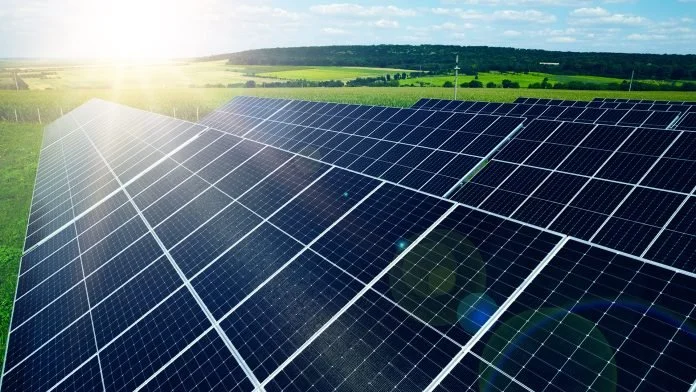
As of 2026, Ohio’s solar market continues to expand across both commercial and residential sectors, presenting meaningful opportunities for organizations seeking long-term energy cost stability and sustainability alignment. The state now exceeds 5,600 megawatts of total installed solar capacity, supported by large-scale commercial developments such as the 577-megawatt Fox Squirrel Solar project and several additional approved projects currently progressing through the permitting and construction pipeline. These utility-scale installations are strengthening grid diversification while creating viable pathways for corporate power purchase agreements (PPAs), predictable energy pricing, and enhanced ESG performance. Although approximately 1,200 megawatts of proposed capacity have faced withdrawal or denial due to siting and local regulatory considerations, the broader development pipeline remains active and strategically relevant for forward-looking enterprises.
Distributed solar adoption at the commercial and residential levels also continues to demonstrate steady growth. As of 2024, Ohio recorded more than 26,000 interconnection agreements for residential and small commercial systems, with average installations near 8.9 kilowatts. Collectively, these systems generate substantial annual electricity output and contribute to measurable reductions in utility expenditures. Organizations and homeowners can capitalize on the 30% federal Investment Tax Credit (ITC), net metering frameworks, and Solar Renewable Energy Credits (SRECs) to enhance project economics. Additionally, state-supported financing initiatives help reduce upfront capital requirements, improving accessibility for both businesses and households seeking to deploy rooftop or ground-mounted solar solutions.
At the same time, stakeholders must remain attentive to evolving policy considerations, including proposed legislative measures such as Senate Bill 294, which may influence project feasibility depending on future reliability and siting standards. Local zoning regulations also continue to shape project timelines and site selection strategy. Notwithstanding these dynamics, solar energy remains a prudent long-term investment that can mitigate exposure to utility rate volatility while reinforcing corporate sustainability objectives. If you are evaluating solar solutions for your business or residence, we invite you to complete our contact form. One of our solar specialists will connect with you within 24 hours to provide a tailored assessment, outline available incentives, and discuss implementation pathways aligned with your operational and financial goals.
Ohio plans to advance its wind power projects through a mix of state policy, regulatory oversight, and market incentives. The state’s renewable energy framework, including its Renewable Portfolio Standard, was created to encourage utilities to generate part of their electricity from renewable sources such as wind. Financial incentives, including certain tax benefits for renewable energy equipment and production, help make wind projects more economically feasible for developers. These policies are intended to promote investment in clean energy while supporting job creation and local economic growth.
Large wind projects in Ohio must be reviewed and approved by the Ohio Power Siting Board, which evaluates proposals based on environmental impact, public need, and technical requirements such as grid connection. In addition to state oversight, Ohio law gives county commissioners and township officials authority to designate restricted areas where new wind farms cannot be built. This local control means that community support plays a major role in determining whether projects move forward.
Ohio also coordinates wind energy development with regional grid planning through PJM Interconnection, the organization responsible for managing the electric grid across much of the eastern United States. Existing facilities like the Blue Creek Wind Farm show how wind energy is already contributing to the state’s power supply and local tax base. Overall, Ohio’s approach combines statewide standards, structured permitting, local decision-making, and regional grid integration to guide the development of wind power projects.

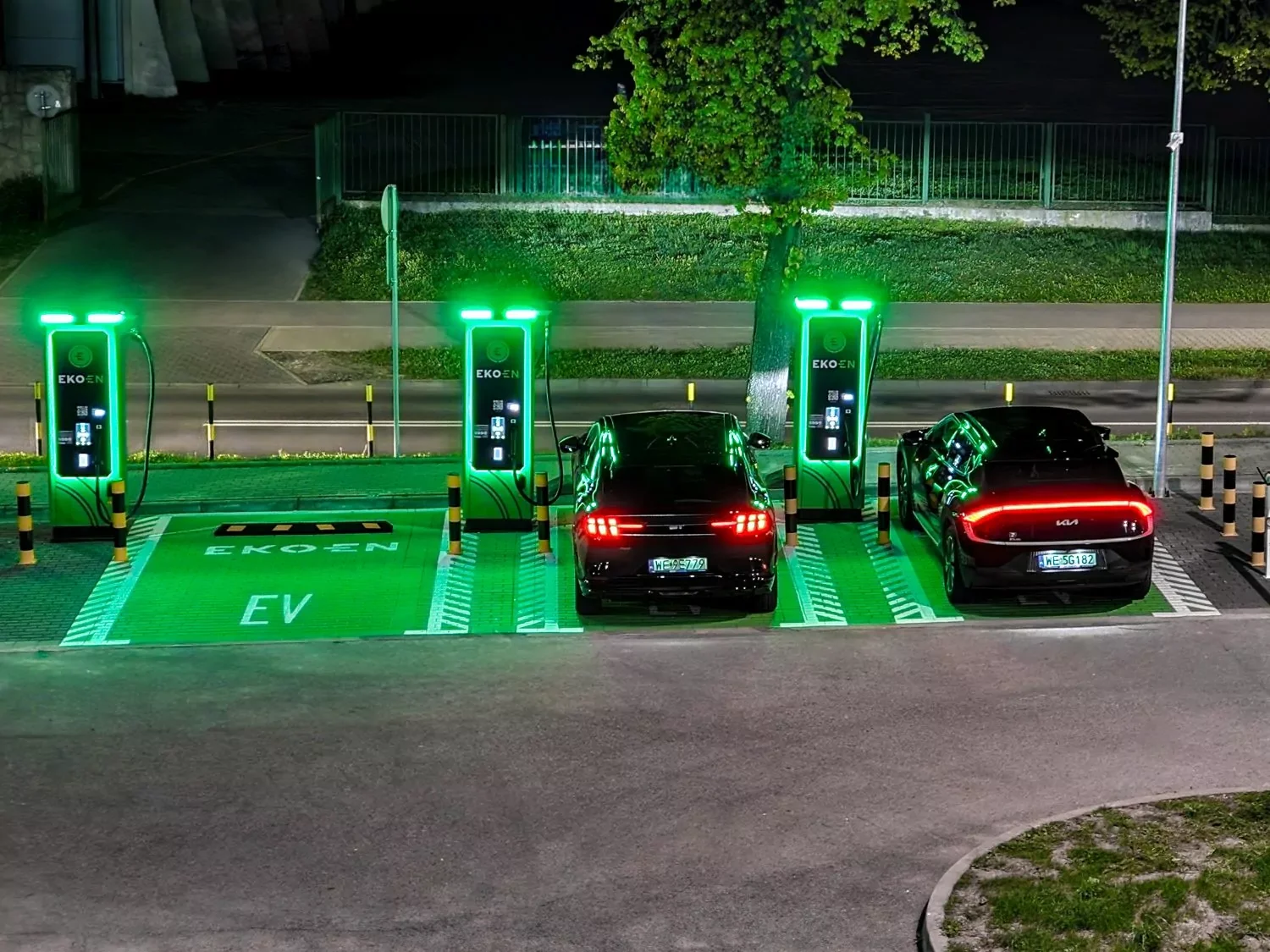
Ohio’s strategy for commercial electric vehicle (EV) charging stations in 2026 focuses on expanding infrastructure through a combination of federal funding and private sector investment. The state actively participates in the National Electric Vehicle Infrastructure (NEVI) Program, supporting the deployment of high‑speed charging stations along key interstate corridors to facilitate long-distance travel and commerce. Concurrently, recent legislation emphasizes a free-market approach, limiting utilities’ ability to operate EV charging stations using ratepayer funds and encouraging private competition in the sector.
Although state-level tax incentives for commercial EV charging installations are limited, select utilities and municipalities offer rebates and cost-sharing programs for qualifying projects. Businesses can leverage these local incentives alongside federal NEVI grants or other national funding opportunities to help offset initial investment costs. This strategic combination of federal support, local programs, and market-driven deployment is designed to accelerate the availability of EV charging infrastructure while promoting private-sector innovation.
For organizations interested in exploring innovative opportunities in the EV charging market, we invite you to complete a contact form. One of our specialists will reach out within 24 hours to provide guidance on available programs, funding options, and tailored solutions to support your business objectives.