

North Carolina
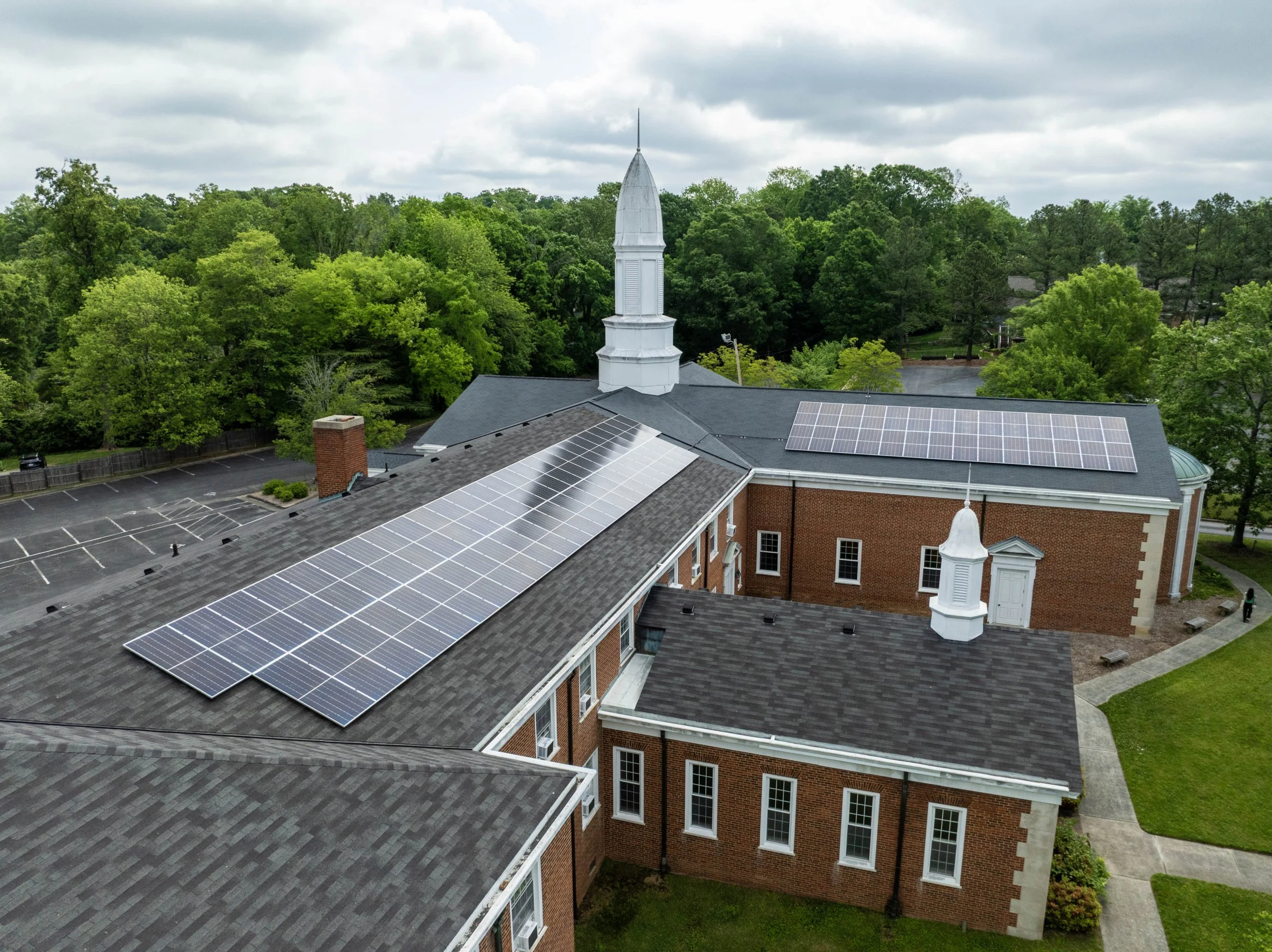
In 2026, the commercial solar sector is advancing rapidly, with a combination of large utility‑scale projects and distributed installations planned worldwide. In the United States, developers are targeting a record 43 GW of new utility-scale solar capacity, representing more than half of all projected new electricity generation. Major projects in states such as Texas, Arizona, California, and Michigan are expected to come online this year, often paired with battery storage systems. These developments are driven by corporate power purchase agreements and broader grid decarbonization initiatives, reflecting continued investment in commercial renewable infrastructure.
Simultaneously, commercial and industrial (C&I) solar installations on rooftops, warehouses, factories, and corporate campuses continue to expand. Businesses are increasingly adopting solar to reduce energy costs, manage electricity price volatility, and take advantage of federal incentives such as the Investment Tax Credit (ITC) before key deadlines in 2026. These incentives are influencing project timelines, as many developers aim to begin construction in the first half of the year to secure the full tax credit.
Globally, commercial solar growth is also strong, with large-scale solar parks and integrated solar-plus-storage systems being developed to support industrial hubs, data centers, and utility grids. These trends highlight the industry’s shift toward grid-connected, hybrid energy solutions, even as regulatory changes and supply chain considerations shape project planning for 2026 and beyond. If you are interested in residential or commercial solar solutions, we encourage you to complete our contact form. A qualified solar specialist will reach out to you within 24 hours to discuss your options.
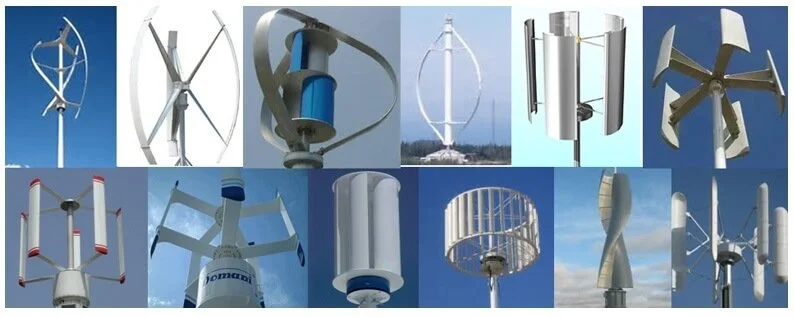
Wind turbine power development in North Carolina is still in the early stages compared with other U.S. states, but it is steadily expanding. As of 2025, the state has an installed onshore wind capacity of approximately 397 megawatts. The Desert Wind Farm near Elizabeth City contributes 208 MW, while the recently completed Timbermill Wind project in Chowan County adds about 189 MW. Together, these projects generate roughly 529 gigawatt-hours of electricity annually, accounting for only about 0.4% of North Carolina’s total generation. Onshore wind potential is limited by lower inland wind speeds and available land, which has historically slowed the development of large-scale projects in the state.
In contrast, North Carolina’s offshore wind resources along the Outer Banks are among the strongest on the U.S. East Coast, offering the potential for rapid expansion. Proposed offshore projects such as Kitty Hawk Wind and Carolina Long Bay could collectively add 4,800–5,000 MW of capacity, far exceeding the current onshore fleet. These projects are strategically important because offshore wind can provide consistent, high-capacity electricity while taking advantage of the state’s favorable coastal wind conditions. The strong offshore potential has attracted both private investment and state interest, setting the stage for North Carolina to become a leader in East Coast offshore wind.
North Carolina has established ambitious policy targets to guide this growth. The state aims to develop 2.8 GW of offshore wind by 2030 and 8 GW by 2040, which could power an estimated 2.3 million homes. Achieving these targets will require navigating regulatory approvals, upgrading transmission infrastructure, and carefully siting turbines to minimize environmental and social impacts. Despite these challenges, the combination of strong coastal wind resources, growing private investment, and supportive state policies suggests that wind power could play an increasingly significant role in North Carolina’s energy mix in the coming decades.
Point of Contact: Nick Willlis
Position: EV Charging Project Manager of North & South Carolina.
Email: nick.willis@energyarchitectsgroup.com

North Carolina is advancing its electric vehicle (EV) charging infrastructure through the National Electric Vehicle Infrastructure (NEVI) Program, a federal initiative under the Bipartisan Infrastructure Law. The state is projected to receive approximately $109 million in funding to support the development of a robust public charging network. Phase 1 of the program focuses on deploying 39–40 DC fast charging stations along federally designated Alternative Fuel Corridors, including key interstates such as I‑40, I‑95, and U.S. 64. Each station is planned to include multiple high‑power (150 kW+) ports, spaced approximately every 50 miles, to facilitate long-distance travel. Subsequent phases will expand access to community-based charging, incorporating additional fast chargers as well as Level 2 chargers to serve urban, suburban, and underserved areas.
In the initial deployment phase, North Carolina allocated $5.92 million in NEVI funds to six developers for the installation of charging stations at nine highway locations, including sites in Elizabeth City, Charlotte, New Bern, and Warsaw. Each location is designed with multiple charging ports capable of recharging a standard EV in approximately 20 minutes, addressing coverage gaps along major corridors such as I‑40, I‑77, and U.S. 70. These investments aim to enhance accessibility and support the growing adoption of electric vehicles across the state.
North Carolina’s updated strategy prioritizes approximately 16 key sites, focusing on areas with the greatest need, including rural and underserved communities. The state will issue a new Request for Proposals (RFP) for businesses to construct and operate these stations, with NEVI program guidelines providing reimbursement of up to 80 % of capital and operating costs over the first five years. This approach ensures that investments are both strategic and sustainable, supporting long-term growth in EV adoption.
Currently, the state hosts over 1,700 public EV charging stations, comprising approximately 1,460 Level 2 chargers and over 300 DC fast chargers, with more than 3,400 Level 2 ports and 1,300 fast charging ports available statewide. This infrastructure is supported through a combination of state initiatives, utility programs, and private sector deployments. If you are interested in exploring EV charging opportunities in North Carolina, please complete our contact form, and one of our EV charging specialists will respond within 24 hours.