

New Mexico
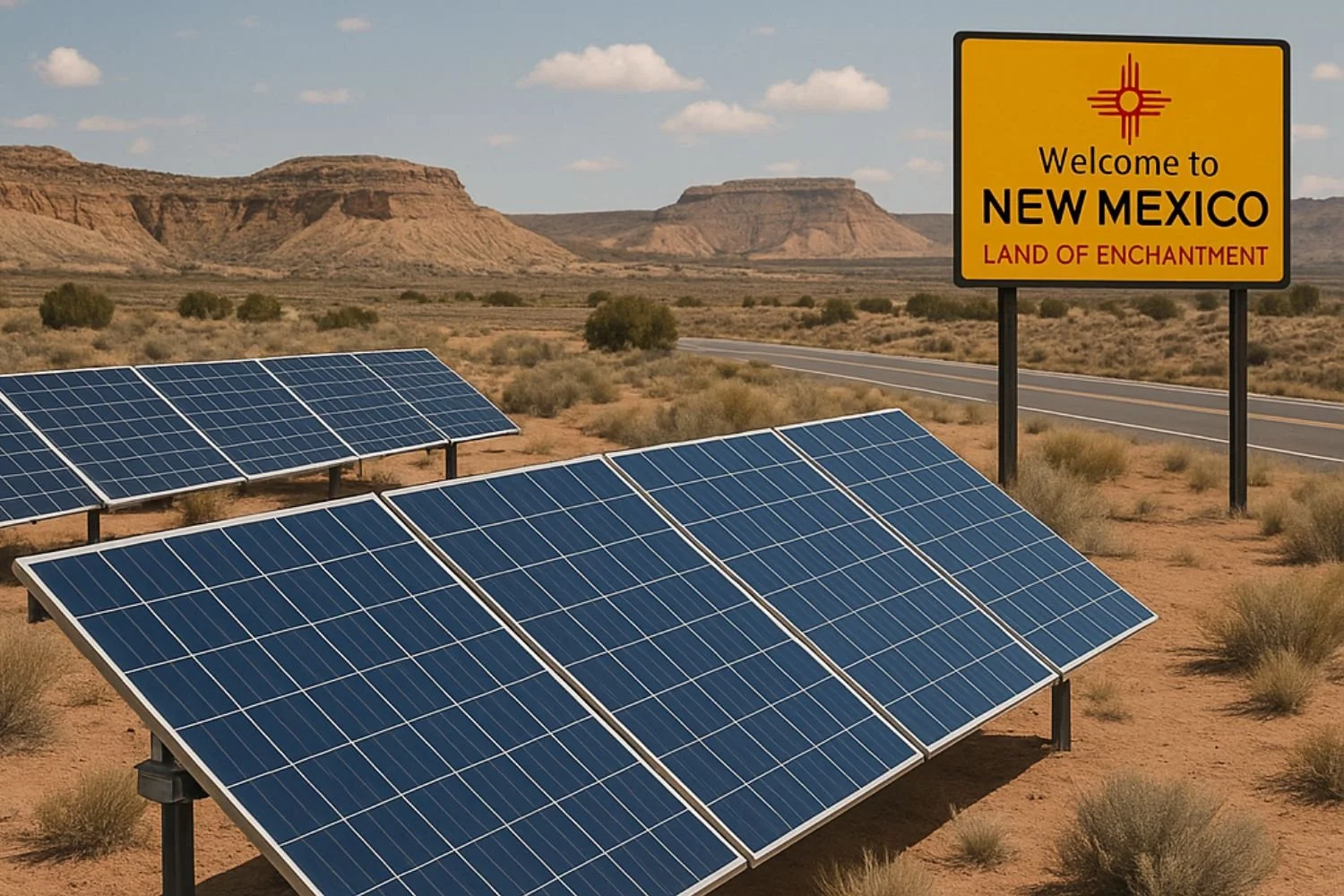
Solar energy remains a foundational component of the long-term energy strategy in New Mexico, supported by abundant natural resources, a constructive regulatory framework, and sustained market demand. Utility-scale solar generation, increasingly paired with advanced battery storage systems, continues to expand across the state, enhancing grid reliability while supporting decarbonization objectives. Oversight from the New Mexico Public Regulation Commission, along with integrated resource planning by utilities such as Public Service Company of New Mexico, has created a stable environment for long-term renewable energy investment and infrastructure development.
At the distributed level, community solar and on-site commercial and residential installations are contributing meaningfully to diversified energy participation. The Community Solar Act has enabled broader access to renewable energy by allowing subscribers to receive utility bill credits from shared solar facilities, expanding opportunities for businesses and households that may not be positioned for rooftop systems. Concurrently, legislative initiatives aimed at strengthening state-level solar tax incentives are reinforcing the financial viability of solar adoption and supporting continued growth across residential, commercial, and industrial sectors.
New Mexico’s strategic alignment of policy, infrastructure investment, and market participation positions the state as a leader in solar energy deployment in the Southwest. Organizations and property owners seeking to evaluate solar as part of a forward-looking energy strategy are encouraged to explore available opportunities. If you are interested in establishing a progressive, long-term partnership, or in assessing the potential benefits solar may offer for your commercial facility or private residence, please complete our contact form. A qualified solar specialist will respond within 24 hours to provide a comprehensive consultation tailored to your operational and financial objectives.
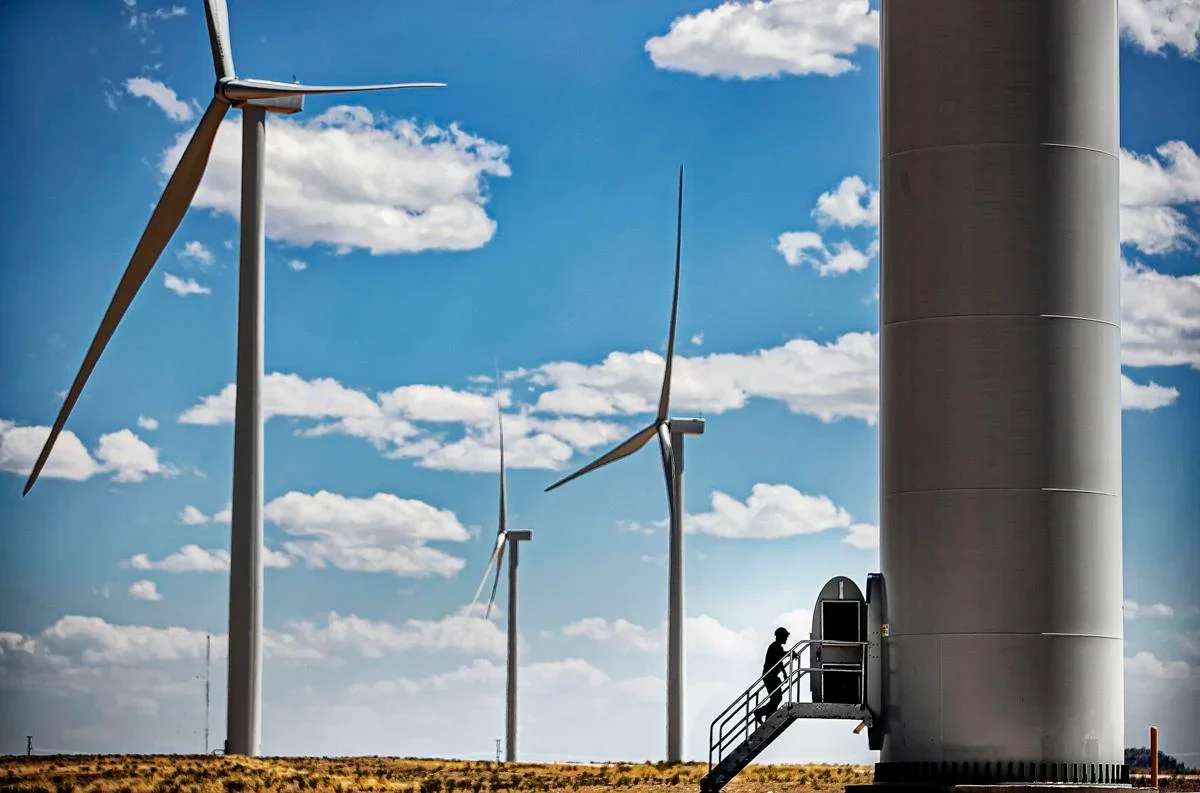
Wind energy has emerged as the primary source of electricity generation in New Mexico, accounting for approximately 38% of the state’s total electricity output. With an installed capacity exceeding 4,400 megawatts, New Mexico ranks among the leading wind-producing states in the United States. The state’s geography, characterized by expansive high plains and consistent wind resources, provides optimal conditions for large-scale wind development, enabling the generation of substantial renewable energy that, at times, exceeds in-state consumption.
Key infrastructure projects have significantly advanced New Mexico’s wind energy capacity. The Western Spirit Wind Project, a 1,050-megawatt complex completed in 2022, integrates multiple wind farms into a cohesive network supported by modern transmission systems. Furthermore, the SunZia Wind and Transmission project, projected to deliver 3,500 megawatts of capacity, includes a high-voltage transmission line designed to transport renewable energy to markets in Arizona and California. These initiatives position New Mexico as a critical exporter of clean energy within the western United States.
In addition to its contributions to electricity generation, wind energy delivers significant economic benefits. Wind farm developments provide lease revenues to private landowners and state trust lands, which support public institutions such as schools, while also creating employment opportunities in construction, operations, and maintenance. As state and federal policies continue to promote renewable energy deployment, wind power is expected to remain a cornerstone of New Mexico’s economic development and its transition toward a sustainable, low-carbon energy future.
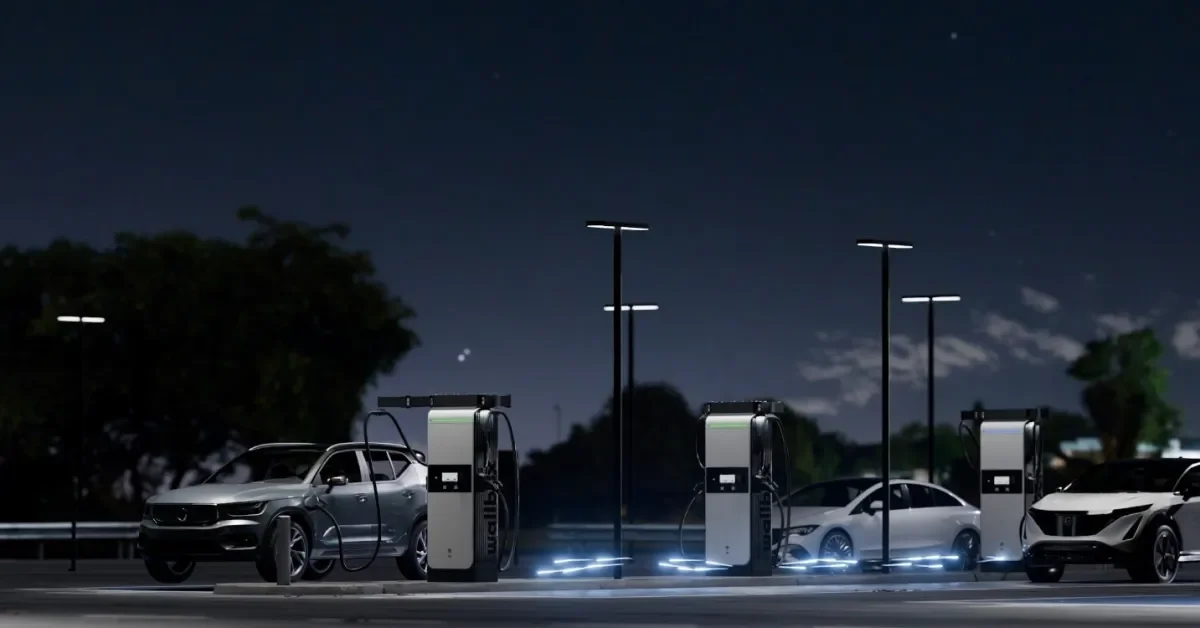
By 2026, New Mexico is poised to significantly expand its electric vehicle (EV) charging infrastructure through coordinated federal, state, and utility initiatives. The state is leveraging the National Electric Vehicle Infrastructure (NEVI) Formula Program, which has allocated approximately $38 million to develop fast-charging stations along major corridors, including I‑25, I‑40, and I‑10, as well as key U.S. routes such as US‑285, US‑60, US‑70, and US‑380. These strategically located stations are designed to support long-distance travel across the state, with several already operational in cities such as Albuquerque, Santa Fe, Deming, and Las Cruces, providing high-power DC fast chargers capable of rapid vehicle charging.
Complementing NEVI, New Mexico is also benefiting from the Charging and Fueling Infrastructure (CFI) Grant Program, which supports both public charging and infrastructure for medium- and heavy-duty vehicles. Utilities, including Public Service Company of New Mexico (PNM), are contributing through rebate programs for Level 2 and DC fast chargers, targeting the deployment of approximately 195 DC fast chargers and 305 Level 2 ports by 2026. These efforts aim to improve EV accessibility not only along major highways but also in urban centers and underserved communities, addressing gaps in rural and tribal areas.
In addition to public charging expansion, New Mexico is advancing fleet electrification and next-generation charging technologies. Initiatives led by companies such as Nuvve are implementing vehicle-to-grid (V2G) capable chargers to support municipal fleets, school buses, and renewable energy integration. By the end of 2026, the combination of federal funding, state programs, utility incentives, and private sector partnerships will establish a comprehensive and connected statewide EV charging network. If you are considering the installation of EV charging infrastructure on your property, our team can assist in developing a tailored strategic plan to meet your specific needs. Complete our contact form, and one of our EV specialists will respond to your inquiry within 24 hours.