New Jersey
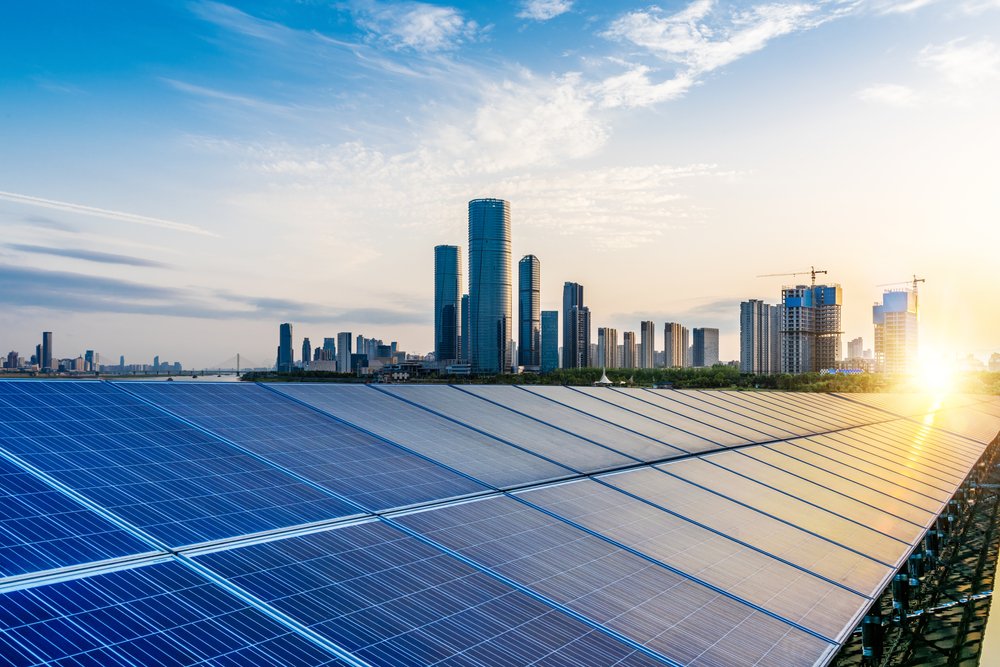
In 2026, New Jersey’s commercial panel landscape is driven largely by the continued expansion of solar energy infrastructure and broader commercial construction activity across the state. Under the New Jersey Community Solar Energy Program, commercial buildings with large rooftops or land space are being outfitted with photovoltaic (solar panel) systems that feed power into the grid and serve nearby subscribers, expanding clean energy access beyond traditional residential installations. The state has expanded this program with significant capacity windows (e.g., 250 MW blocks) and supportive policies that encourage development on commercial sites such as warehouses, brownfields, and industrial parks — efforts that contribute to New Jersey’s goal of meeting annual solar capacity targets through 2026 and beyond. Commercial solar projects benefit from favorable net‑metering and state incentive structures designed to make rooftop and community solar investments attractive for businesses and developers. Policy discussions in the 2026 legislative session also include potential changes to remove capacity limits on community solar projects, which could further accelerate commercial panel deployment.
Beyond renewable energy panels, the commercial construction sector in New Jersey is robust in 2026, with a mixture of large‑scale office, industrial, and mixed‑use developments slated for completion or underway. Major commercial building projects—such as substantial office space developments in Jersey City, large mixed‑use hubs in New Brunswick (like the HELIX innovation campus), and ongoing construction of high‑profile complexes with retail and corporate components—are part of a broader forecast that anticipates tens of billions of dollars in commercial spending through the year. These commercial builds often integrate sustainability features, including energy efficiency retrofits and, increasingly, solar and storage systems, aligning New Jersey’s real estate growth with its energy and climate goals.
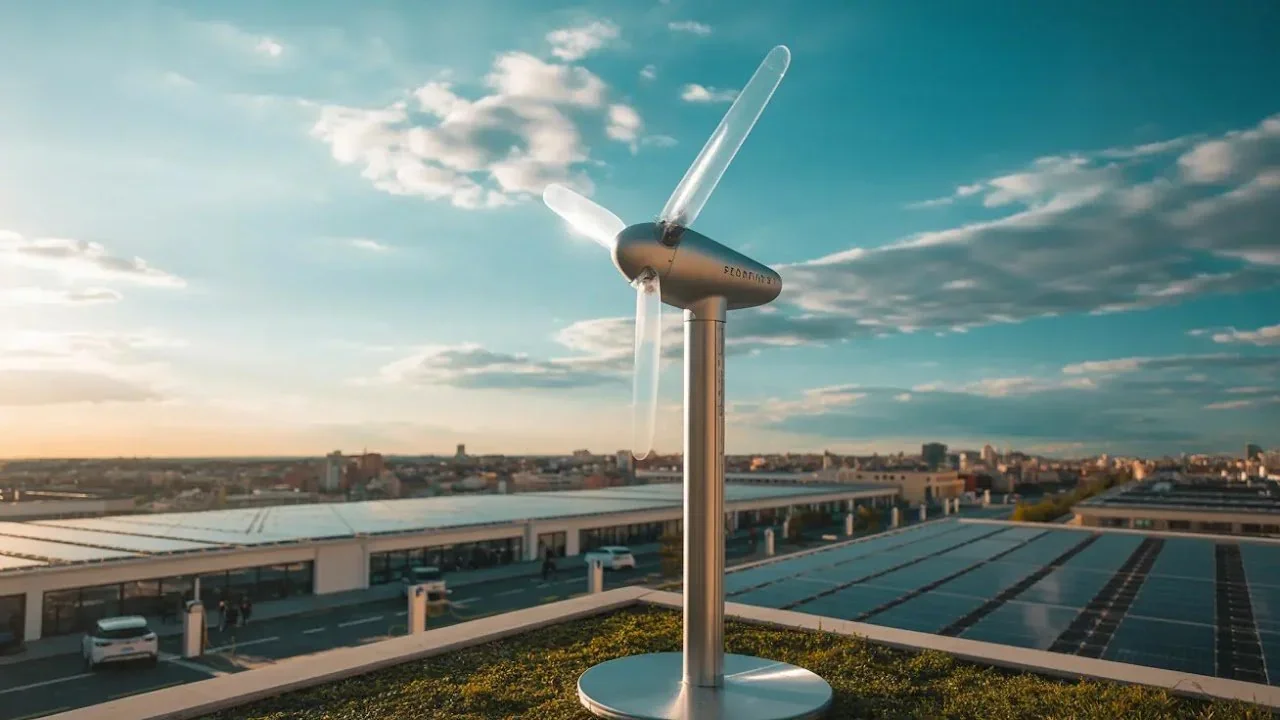
Over the past several years, New Jersey has maintained a consistently strong pro-wind stance, particularly focusing on offshore wind development. In 2018, Governor Phil Murphy signed Executive Order No. 8, committing the state to 3,500 megawatts (MW) of offshore wind by 2030 and directing agencies to implement policies and solicitations for new projects. In 2019, the New Jersey Board of Public Utilities (NJBPU) awarded the first major offshore wind contract of 1,100 MW to Ørsted’s Ocean Wind project, making it the largest single-state offshore wind procurement in the United States at that time. Later that year, Governor Murphy raised the target to 7,500 MW by 2035, and by 2022, the state expanded its goal even further to 11,000 MW by 2040, demonstrating a clear commitment to integrating offshore wind into New Jersey’s broader clean energy and climate objectives.
Between 2020 and 2024, New Jersey actively pursued offshore wind development through multiple NJBPU solicitations, awarding nearly 3,750 MW in capacity by early 2024 and planning additional procurement rounds. The state also invested in critical infrastructure, such as the New Jersey Wind Port, designed to support the manufacturing, staging, and supply chain for offshore wind projects. These actions reflect New Jersey’s continued prioritization of offshore wind as a major component of its clean energy transition and economic development strategy, with a focus on creating jobs and local supply chains while meeting renewable energy targets.
Despite this strong policy support, practical challenges have slowed project implementation. Several major projects, including parts of Ørsted’s portfolio, faced cancellations or delays due to economic factors, developer decisions, and market conditions. Federal policy changes starting around 2025, including temporary suspension or withdrawal of funding for certain offshore wind projects, further complicated development and permitting. Nevertheless, as of early 2026, New Jersey’s official stance remains firmly pro-offshore wind, with statutory targets, ongoing solicitations, and infrastructure planning continuing, even though external factors have affected the pace of actual construction and deployment.
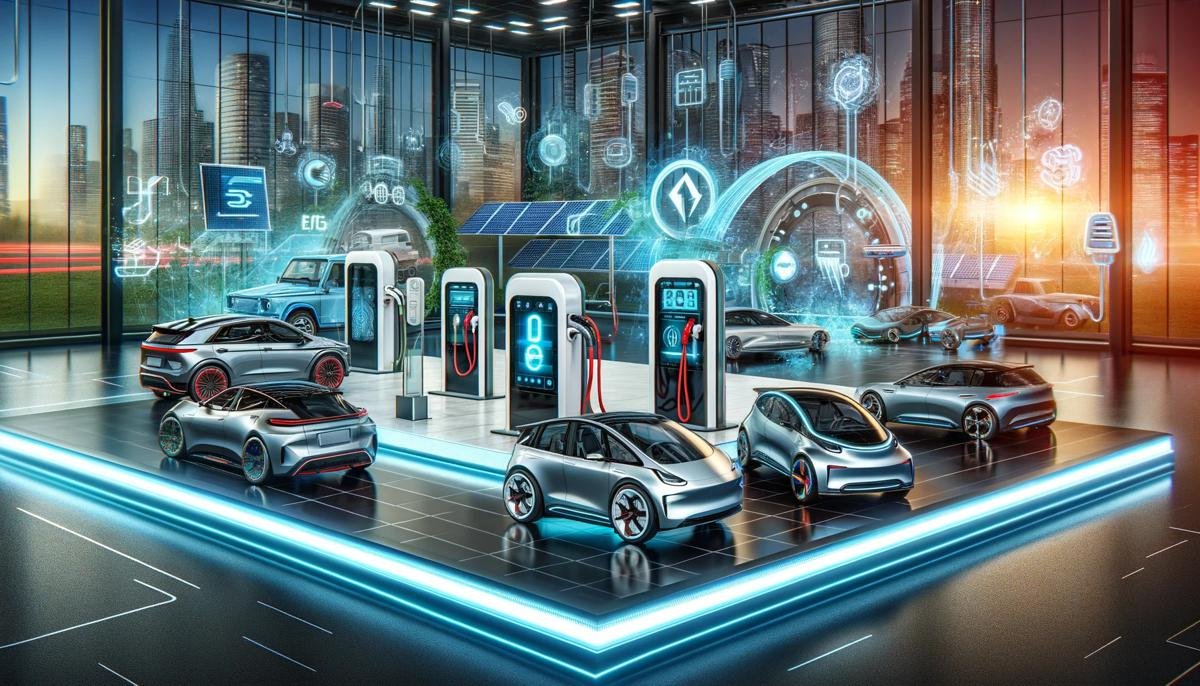
New Jersey is rapidly positioning itself as a leader in electric vehicle (EV) adoption and charging infrastructure over the next decade. The state has set ambitious targets, including having 2 million registered EVs by 2035 and ensuring that 85% of new light-duty vehicles sold or leased are plug-in EVs by 2040. Near-term goals focus on expanding charging infrastructure, such as deploying at least 400 public DC fast chargers at 200 locations and 1,000 Level 2 chargers statewide by 2025. These initiatives aim to provide comprehensive coverage across urban, suburban, and rural areas while supporting renewable energy integration and grid stability.
To achieve these goals, New Jersey has implemented a combination of state incentives, utility programs, and federal funding initiatives. Programs like Charge Up New Jersey provide rebates for home and public Level 2 chargers, while the Take Charge Program reimburses commercial fleets for installing charging stations. Additional initiatives, including the EV Tourism Corridor Program and Clean Fleet EV Incentives, target public sites, municipal fleets, and underserved communities. Utilities such as PSE&G and JCP&L also offer credits and rebates for charging infrastructure and electrical upgrades, which complement federal tax incentives for alternative fuel infrastructure.
Looking ahead, New Jersey is planning significant highway and corridor deployments under the National Electric Vehicle Infrastructure (NEVI) program, ensuring DC fast chargers are spaced every 50 miles along major interstates. Over the next decade, the combination of state, utility, and federal programs will continue to expand both urban and highway charging access, supporting EV adoption and sustainable transportation. If you are looking to bring EV charging to your property in New Jersey, we’d love to have the opportunity to help you achieve your goals and more. Please fill out a contact form, and one of our EV specialists will get back to you within 24 hours.