

New Hampshire
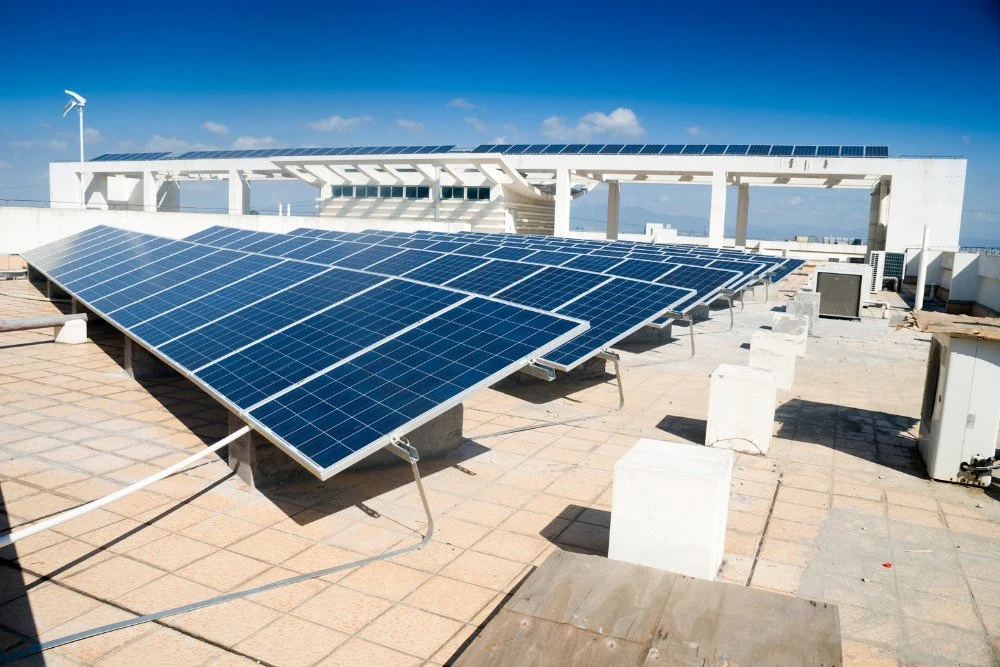
New Hampshire’s overall solar footprint remains modest compared with national and regional peers. As of the first half of 2025, the state had about 312 megawatts (MW) of solar capacity installed, enough to power roughly 47,500 homes and representing just over 2 % of the state’s electricity generation—a relatively small share compared with neighboring New England states. Solar installations are spread across residential, commercial, community, and utility‑scale systems, and projections suggest the state could see hundreds of additional megawatts added over the next five years as investment continues. Residential growth has been increasing locally; for example, the city of Keene issued 230+ solar installation permits between 2017 and 2025, with permit activity accelerating particularly since 2022 as federal incentives boosted demand.
In terms of commercial and community‑scale projects, a handful of significant installations are shaping the 2026 landscape. The Poverty Plains Solar Project in Warner is one of the largest, currently under construction and expected to produce approximately 8.5 million kilowatt‑hours (kWh) annually (about 4.99 MW) when it enters service in mid‑2026, enough to supply clean energy for about a thousand New Hampshire homes’ worth of consumption. This project is fully subscribed by eleven municipalities and public entities under New Hampshire’s Group Net Metering program, demonstrating strong local uptake of community solar. Additional proposals being evaluated by regional developers include several megawatt‑scale solar sites, building on this trend of larger arrays beyond rooftop installations.
On the residential side, system costs and economics are evolving in 2026. Average installed prices for a typical 10.49 kW residential solar system in New Hampshire are about $33,395 before incentives, with long‑term savings projections of around $48,500 over 25 years, reflecting how solar can still deliver economic benefits amid changing policy. However, a major federal incentive, the Residential Clean Energy Tax Credit (formerly the Investment Tax Credit), expired at the end of 2025, meaning homeowners no longer receive the 30 % federal cost reduction for new systems in 2026—a shift likely to influence residential installation rates going forward. State net‑metering policies remain in place, allowing owners of residential and small commercial systems to receive credits for excess energy exported to the grid, which continues to support behind‑the‑meter solar economics.
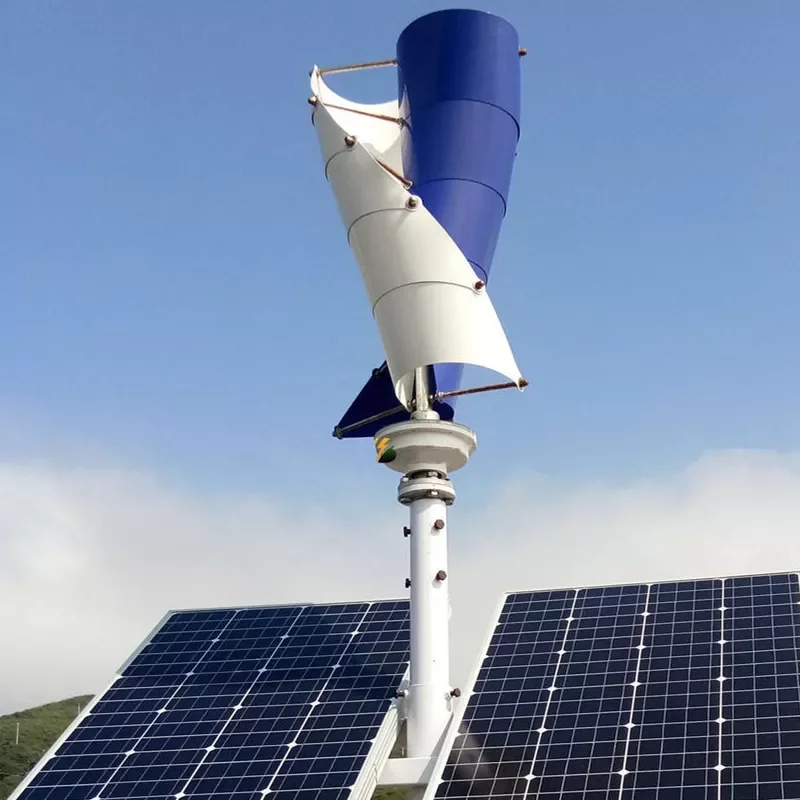
New Hampshire has a small but established portfolio of onshore wind power. Key projects include the Granite Reliable Wind Farm in Coös County (~99 MW), the Groton Wind Power Project (~48 MW), and the Lempster Wind Project (~24 MW). Together, these facilities supply several hundred megawatts to the state’s electricity grid, helping meet renewable energy targets, though no major new onshore wind projects are currently under construction.
State policy has shifted significantly regarding offshore wind. In 2025, legislation (House Bill 682) removed offshore wind from the mission of the Office of Offshore Wind Industry Development and Energy Innovation, effectively halting formal planning, workforce training, and infrastructure support for offshore projects. While some bills proposing a total ban on offshore wind were introduced, they did not pass, leaving the state without active policies promoting offshore wind development.
Despite the limitations on offshore wind, New Hampshire continues to support renewable energy broadly. Its Renewable Portfolio Standard encourages utilities to integrate multiple renewable sources, including wind, into the electricity mix. Programs like ASPIRE provide frameworks for competitive renewable energy procurement, supporting continued investment in clean energy. However, future wind growth in the state will likely depend more on regional market dynamics and utility initiatives rather than direct state-led offshore wind planning.
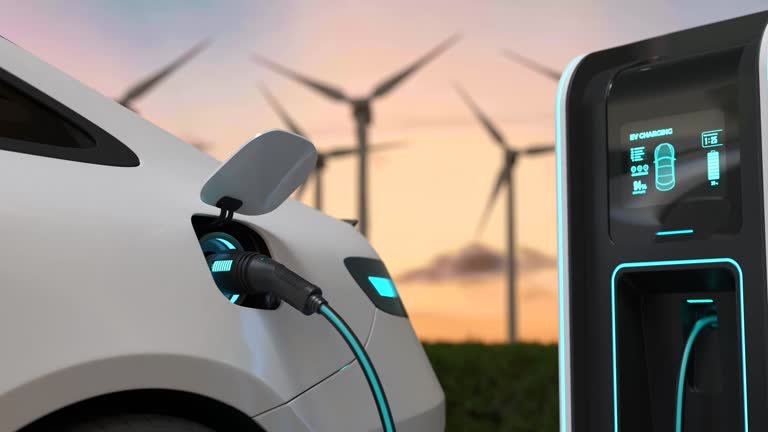
New Hampshire is actively expanding its electric vehicle (EV) charging infrastructure, guided primarily by the federal National Electric Vehicle Infrastructure (NEVI) Program. Under this plan, the state will receive around $17 million to develop a connected network of EV chargers along major highways and alternative fuel corridors. The rollout is divided into phases: the first phase focuses on installing chargers at strategic highway locations, while the second phase will expand coverage to additional corridors and rural areas, ensuring redundancy and future-proofing the network. Priority sites include towns such as Tilton, Rochester, and Sanbornville, with both new stations and upgrades to existing chargers planned.
In addition to state-led initiatives, private companies and local utilities are contributing to the network. For example, Global Partners has installed public fast chargers in communities like Lancaster and Peterborough, with plans to expand further. Regional utilities, including the New Hampshire Electric Co-op, are supporting commercial charger deployments and offering incentives for DC fast charger installations. Municipalities such as Lebanon and Hanover have also pursued federal grants to add public EV chargers, while retail locations and co-ops are installing Level 2 chargers, improving accessibility in both urban and rural areas.
The expansion of EV infrastructure is particularly important for tourism and travel, two major economic drivers in the state. Without sufficient charging access, rural areas risk losing revenue from EV-driving visitors. New Hampshire’s coordinated efforts—combining federal funding, municipal grants, and private investments—aim to create a robust, state-wide network of EV chargers. This approach ensures that both residents and travelers can reliably charge their vehicles, while positioning the state as a forward-looking leader in sustainable transportation across New England.