Nevada
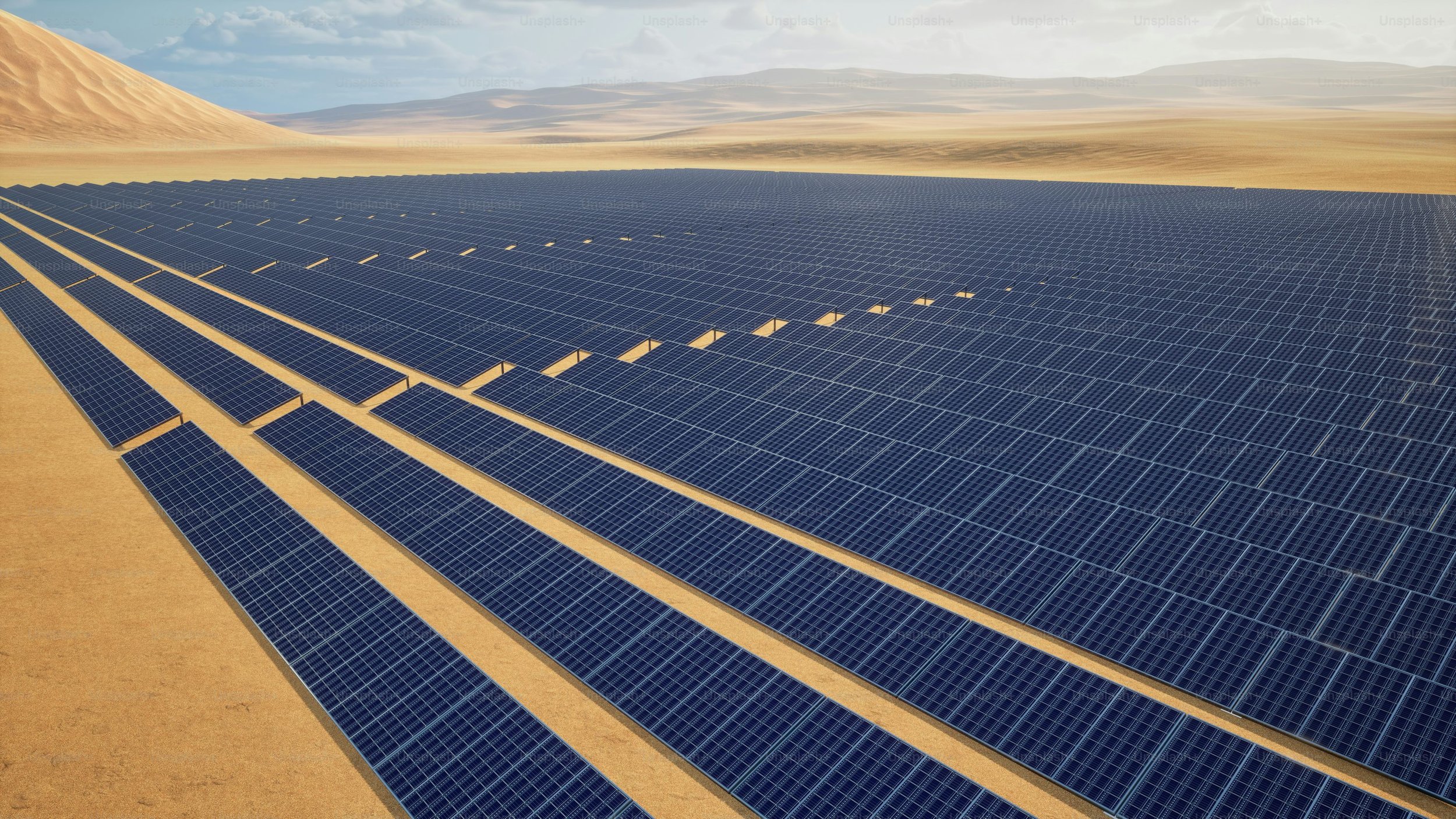
Nevada continues to demonstrate a strong and consistent commitment to commercial solar development as of 2026. The state’s Renewable Portfolio Standard (RPS) requires electric utilities to generate 34% of their electricity from renewable resources during 2024–2026, increasing to 42% in 2027–2029 and reaching 50% by 2030 and thereafter. This statutory framework provides long-term market certainty for developers and investors, reinforcing Nevada’s position as a leading state for utility-scale and commercial solar deployment. Clear compliance requirements and structured procurement planning ensure that renewable energy, particularly solar paired with storage, remains central to the state’s energy strategy.
Nevada’s installed solar capacity reflects the effectiveness of this policy environment. With approximately 8 gigawatts of deployed solar generation, the state ranks among the top solar markets nationally and produces enough solar energy to power well over one million homes. Continued approvals of new solar and battery storage projects scheduled to come online in 2026 and 2027 further illustrate sustained growth in the commercial pipeline. Incentive structures, including tax abatements and established net metering frameworks, enhance project viability and support long-term investment across commercial, industrial, and distributed energy sectors.
While federal land-use permitting may influence the pace of certain large-scale developments, Nevada’s state-level policy direction remains firmly supportive of solar expansion moving forward. Ongoing grid modernization efforts, increasing corporate demand for clean energy procurement, and advancements in energy storage integration are expected to further strengthen the commercial solar landscape. Commercial and residential solar companies operating within the state who are interested in exploring an innovative and mutually beneficial partnership are encouraged to complete a partnership inquiry form. A representative from our marketing department will respond promptly to discuss potential opportunities.
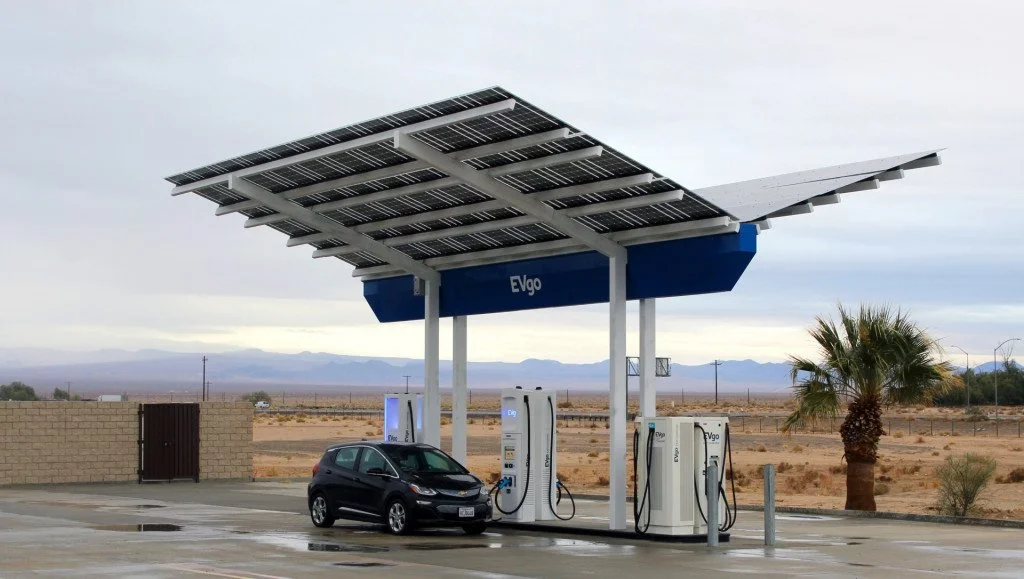
Nevada’s electric vehicle (EV) charging infrastructure is experiencing significant expansion in response to growing EV adoption across the state. Currently, Nevada has over 2,500 public charging ports, including a strategic mix of Level 2 and DC fast chargers concentrated in urban centers such as Las Vegas and Reno, as well as along key interstate corridors. Through the federal National Electric Vehicle Infrastructure (NEVI) program, the Nevada Department of Transportation has been allocated approximately $38 million to deploy fast-charging stations along designated highways, targeting charging availability every 50 miles. This corridor-focused strategy is designed to support long-distance travel, enhance tourism, and facilitate commercial transportation electrification across the state.
Despite these advancements, Nevada continues to face challenges in aligning charging infrastructure with the increasing number of EVs on the road. While the state ranks highly in EV adoption, charger density per vehicle remains below the national average, with rural and underserved areas experiencing limited access. Utility-led initiatives, such as NV Energy’s transportation electrification programs, have committed over $100 million toward deploying chargers across commercial, public, and multifamily properties. However, progress is influenced by permitting processes, grid interconnection requirements, and construction logistics, underscoring the need for coordinated planning and strategic investment to accelerate infrastructure deployment statewide.
For business leaders, property owners, and developers, Nevada’s EV charging landscape represents a compelling opportunity for growth and innovation. Federal funding, utility incentives, and increasing consumer demand create a favorable environment for strategic investment in fast-charging hubs, workplace stations, retail installations, fleet electrification, and large-scale infrastructure projects. We invite CEOs and business owners—both large and small—to engage with us for a professional consultation, where we can explore every potential avenue for EV charging construction and guide your organization in positioning itself at the forefront of Nevada’s electric mobility transition.
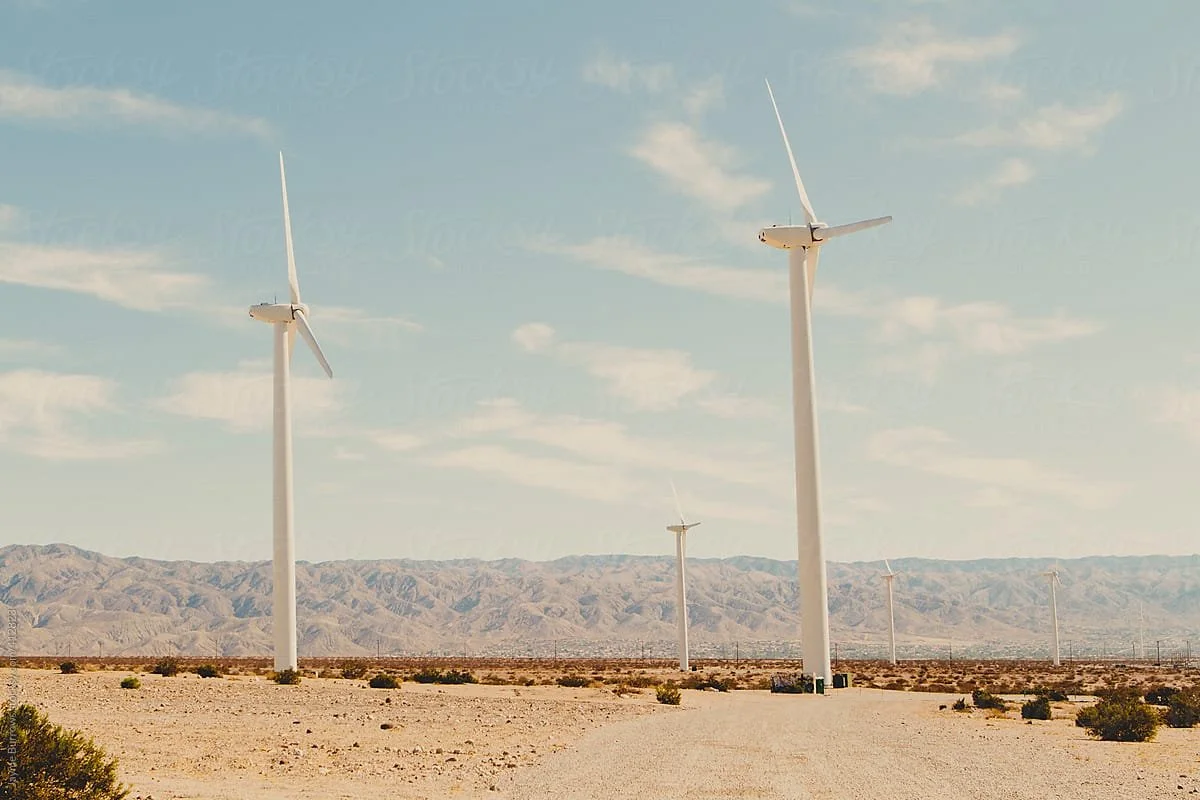
As of 2026, wind power remains a relatively small part of Nevada’s renewable energy portfolio. The state’s only operating utility-scale wind facility is the Spring Valley Wind Farm, a 152-megawatt project that began generating electricity in 2012 near Ely. While Nevada possesses areas with viable wind resources, development has historically lagged behind solar and geothermal energy, which are more abundant and cost-competitive across much of the state. As a result, wind has played a secondary role in meeting Nevada’s renewable energy targets, even as overall clean energy deployment has accelerated.
That dynamic could begin to shift with the proposed Stagecoach Wind Project, a planned 600-megawatt facility in Newark Valley. If completed, Stagecoach would dramatically expand Nevada’s installed wind capacity and become the state’s largest wind farm. The project has moved through key federal land approvals and environmental review processes, reflecting the importance of Bureau of Land Management oversight in a state where much of the land is federally managed. Additional proposals, including the Crumley wind project in Nye County, suggest that developers are continuing to evaluate Nevada’s wind corridors as transmission infrastructure improves.
Ultimately, the future of wind power in Nevada will depend on economics, transmission expansion, and regulatory certainty—but 2026 represents a pivotal moment. With major projects advancing beyond the planning stage, wind energy is positioned to move from a symbolic presence to a meaningful contributor within the state’s clean energy mix. If projects like Stagecoach come online, they will not only multiply Nevada’s wind capacity but also signal that the state’s renewable future is broader and more diversified than ever before.