
Nebraska
Nebraska is steadily expanding its electric vehicle (EV) charging infrastructure, primarily through the National Electric Vehicle Infrastructure (NEVI) Formula Program, a federal initiative that provides funding to build a network of public chargers across the state. The NEVI program allocates roughly $30 million to Nebraska to install 30–35 sites along key travel corridors, particularly along Interstate 80, with each site featuring multiple DC fast chargers. These chargers are designed to meet federal standards for accessibility, reliability, and spacing to support long-distance EV travel. The goal is to ensure that drivers can travel across Nebraska safely and conveniently, even in less densely populated areas.
In addition to the federal NEVI-funded projects, Nebraska is seeing growth in local and community-based charging efforts. For example, the City of Lincoln received grants to install 20 new public charging ports in neighborhoods with limited access, improving the availability of chargers for residents who may not have a home charging option. Private businesses are also increasingly entering the market, installing chargers at commercial locations and helping to expand the public charging network beyond government and utility projects. This combination of federal, local, and private initiatives is gradually creating a more reliable and widespread EV charging infrastructure across Nebraska.
While Nebraska does not currently offer statewide EV purchase rebates or tax credits, residents can still take advantage of utility rebates for home and commercial charging equipment. Many public power districts, such as the Nebraska Public Power District, provide rebates that reduce the cost of Level 2 home chargers or pre-wiring for EVs. Additionally, federal incentives like the Alternative Fuel Vehicle Refueling Property Credit can offset part of the installation costs for residential chargers. EV owners in Nebraska are also subject to an annual registration fee ($150 for EVs, $75 for plug-in hybrids) to compensate for lost gasoline tax revenue. Overall, while direct vehicle purchase incentives are limited, the combination of federal NEVI funding, local projects, and utility rebates is steadily improving the accessibility and convenience of EV charging across the state.
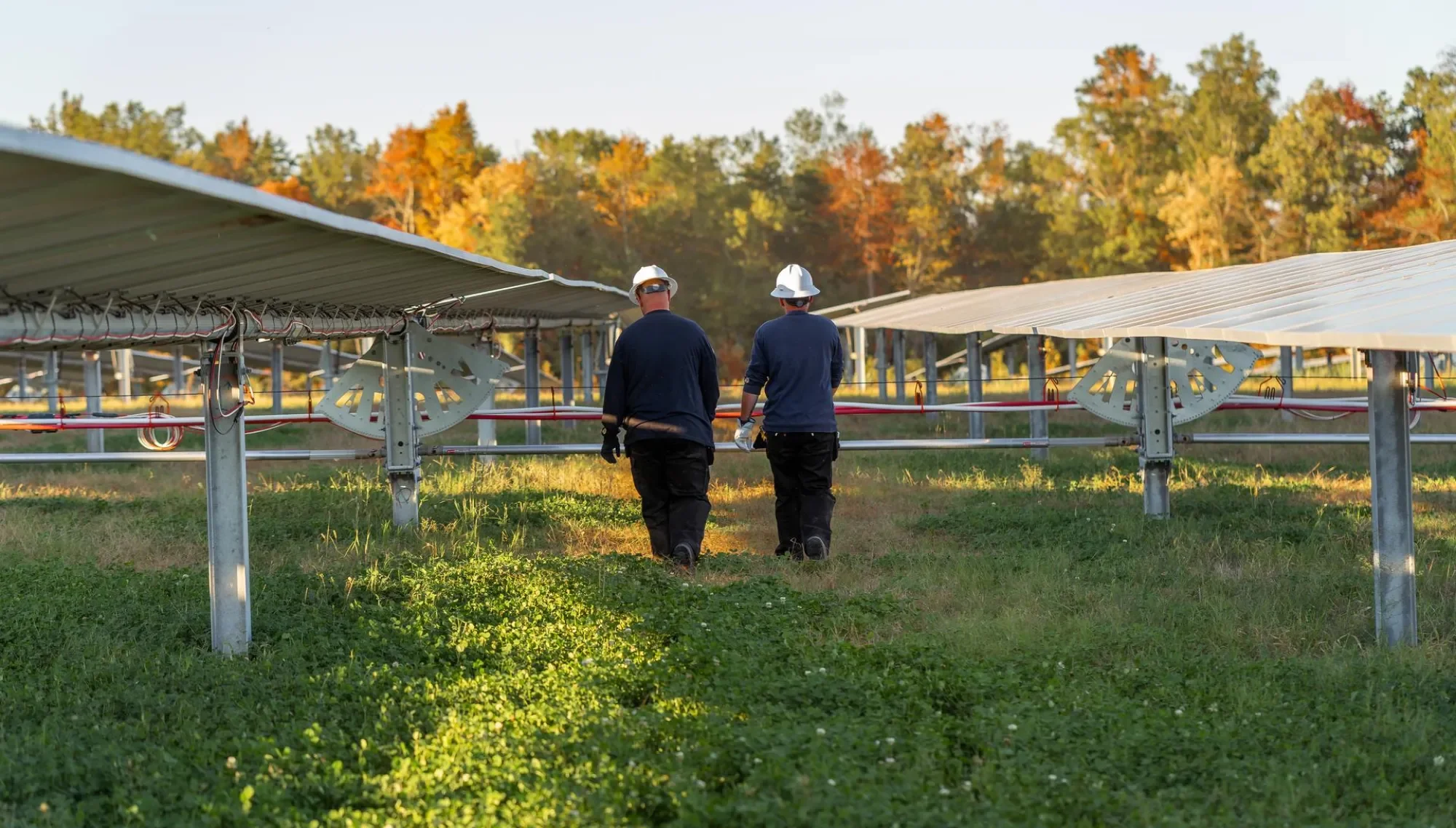
Commercial solar in Nebraska is experiencing steady growth, driven by both utility-scale projects and commercial installations. Prominent projects such as the Platteview Solar Project in Saunders County and the Big Elk Solar Project by Lightsource bp illustrate the state’s increasing investment in renewable energy. These facilities supply electricity to major utilities, including the Omaha Public Power District and the Nebraska Public Power District, reflecting a transition from primarily small-scale installations to larger, more strategic solar infrastructure. Additionally, projects integrating energy storage, such as the Norfolk Solar Farm, enhance grid reliability while supporting local economic development.
Nebraska businesses have access to several financial incentives that support commercial solar adoption. Federal programs, including the Investment Tax Credit (ITC) and accelerated depreciation under MACRS, provide substantial cost recovery opportunities. At the state and local level, initiatives such as the ONE RED Non-Residential Solar Program offer grants for industrial, municipal, and commercial projects, while financing options such as C-PACE and USDA REAP grants support eligible rural businesses. Although net metering is available, it is generally limited to systems up to 25 kW, meaning larger commercial installations typically require tailored utility agreements or alternative financial arrangements to optimize returns.
At our company, we work with the best in the industry because you deserve the highest quality of work. We are committed to finding the most effective solutions for your energy needs, ensuring that each project is optimized for performance, savings, and long-term value. For organizations or individuals interested in pursuing solar solutions—commercially or residentially—we invite you to submit a contact form, and one of our solar specialists will reach out within 24 hours to provide expert guidance and personalized solutions.
Commercial solar in Nebraska is experiencing steady growth, driven by both utility-scale projects and commercial installations. Prominent projects such as the Platteview Solar Project in Saunders County and the Big Elk Solar Project by Lightsource bp illustrate the state’s increasing investment in renewable energy. These facilities supply electricity to major utilities, including the Omaha Public Power District and the Nebraska Public Power District, reflecting a transition from primarily small-scale installations to larger, more strategic solar infrastructure. Additionally, projects integrating energy storage, such as the Norfolk Solar Farm, enhance grid reliability while supporting local economic development.
Nebraska businesses have access to several financial incentives that support commercial solar adoption. Federal programs, including the Investment Tax Credit (ITC) and accelerated depreciation under MACRS, provide substantial cost recovery opportunities. At the state and local level, initiatives such as the ONE RED Non-Residential Solar Program offer grants for industrial, municipal, and commercial projects, while financing options such as C-PACE and USDA REAP grants support eligible rural businesses. Although net metering is available, it is generally limited to systems up to 25 kW, meaning larger commercial installations typically require tailored utility agreements or alternative financial arrangements to optimize returns.
At our company, we work with the best in the industry because you deserve the highest quality of work. We are committed to finding the most effective solutions for your energy needs, ensuring that each project is optimized for performance, savings, and long-term value. For organizations or individuals interested in pursuing solar solutions—commercially or residentially—we invite you to submit a contact form, and one of our solar specialists will reach out within 24 hours to provide expert guidance and personalized solutions.