

Missouri
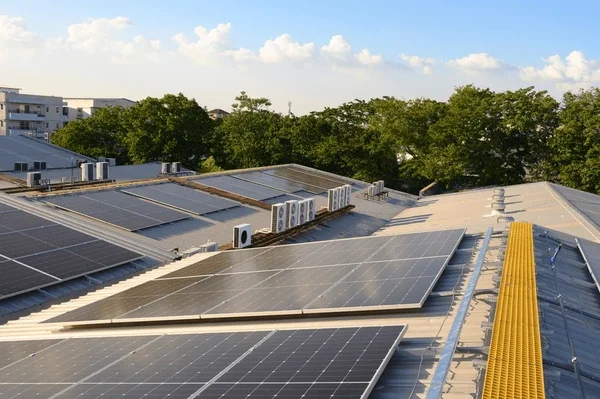
Missouri is at a pivotal moment in its solar energy evolution. Over the next few years, significant utility-scale solar projects are poised to transform the state’s energy mix — from Ameren Missouri’s planned solar farms and community solar expansions, set to begin serving customers through 2025 and into 2026, to major developments like the $500 million Kelso Solar Project in Scott County that will add hundreds of megawatts of clean power to the grid and support jobs and economic growth. Residential solar continues to play a key role as well, with rooftop and small-scale systems already making up the majority of current installations and community solar programs giving businesses and homeowners alike flexible access to renewable energy without the need to install their own panels.
At the same time, Missouri’s solar landscape is navigating regulatory headwinds that could shape development timelines. In early 2026 several bills have been introduced in the state legislature that, if passed, could place temporary moratoriums or impose new oversight on large solar projects until new rules are implemented — potentially slowing commercial development until late 2027 while aiming to address community concerns over placement and environmental impact. These discussions highlight the growing pains of a state transitioning to more clean energy: balancing rapid deployment with thoughtful regulation, and ensuring growth benefits both urban customers and rural landowners.
For both commercial and residential clients looking ahead to 2026 and beyond, the message is clear: solar represents not only a sustainable choice but a smart investment in energy independence, cost savings, and environmental stewardship. Whether you’re considering a rooftop system that cuts electricity bills or a large-scale project that enhances corporate sustainability profiles, the momentum is here — and the opportunities are real. If you’re interested in going solar in Missouri, we work with the best in the industry to make the process painless and stress-free, guiding you from planning through installation and ensuring your transition to solar power is smooth and rewarding.
Missouri’s wind energy sector has seen steady growth over the past decade, with wind currently contributing roughly 10% of the state’s electricity generation as of 2024. The foundation for this development is the Renewable Electricity Standard (RPS) passed by voters in 2008 through Proposition C, which requires investor-owned utilities to generate or procure at least 15% of their retail electricity from renewable sources, including wind. Utilities can meet this standard either through direct generation or by purchasing Renewable Energy Credits (RECs). The state also encourages wind development through tax credits, production incentives, net metering for smaller systems, and grants or loans, providing both financial and regulatory support for renewable energy projects.
While the state RPS remains at 15% with no binding target beyond 2021, utility-level initiatives are playing a major role in expanding wind generation. Ameren Missouri, the largest utility in the state, has outlined plans to add thousands of megawatts of wind and solar capacity by 2030 and has set a net-zero carbon emissions target for 2045. These initiatives are supported by investments in grid upgrades and battery storage to handle the variable nature of wind power. Such utility-driven growth effectively pushes the expansion of wind energy in Missouri even in the absence of stronger state-level mandates, reflecting a mix of market, corporate, and regulatory incentives shaping the sector.
Legislative and regulatory developments also influence the trajectory of wind energy in Missouri. Recent proposals have sought to limit the use of eminent domain for renewable projects and require light-mitigating technology on turbines to address aviation and wildlife concerns. Looking ahead, Missouri’s geographic location along the eastern edge of the U.S. wind corridor provides strong potential for further expansion. Although the state has not updated its RPS beyond 15%, utility plans, transmission improvements, and ongoing incentives are expected to continue driving wind development, positioning Missouri to steadily increase its renewable energy share in the coming decades.
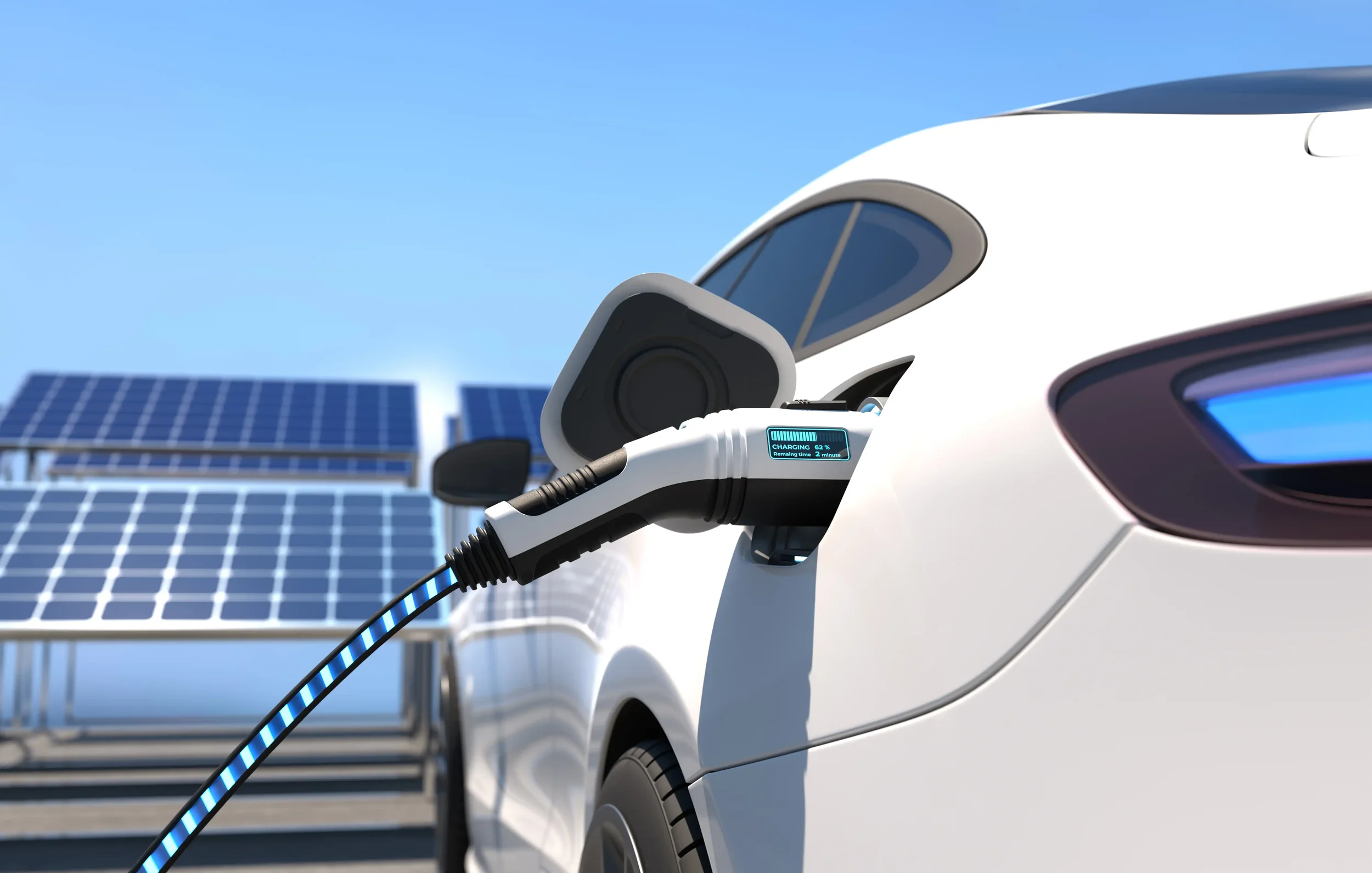
Missouri is rapidly advancing its electric vehicle (EV) charging infrastructure through a strategic combination of federal funding and state-led planning. Under the National Electric Vehicle Infrastructure (NEVI) Formula Program, the Missouri Department of Transportation (MoDOT) has secured approximately $98.9 million in federal funds through 2026 to develop a comprehensive network of DC fast chargers along key highway corridors. This initiative ensures that EV drivers can travel confidently across the state, with priority locations including Kansas City, St. Robert, Lamar, Butler, Concordia, and St. Joseph. The phased rollout will continue into the early 2030s, establishing a fully connected, reliable charging network.
Beyond federal programs, state agencies and utilities are playing a critical role in expanding access. The Missouri Department of Natural Resources is leveraging Volkswagen Trust funds to deploy public charging stations and pilot chargers at state parks and office locations, enhancing accessibility across communities. Additionally, utility initiatives such as Ameren Missouri’s Charge Ahead program provide financial incentives for businesses and multifamily properties to install Level 2 and DC fast chargers, making it easier than ever to integrate EV charging into commercial and residential sites.
Looking ahead, Missouri’s EV infrastructure growth presents a significant opportunity for businesses, property owners, and municipalities to get ahead of the curve. With ongoing federal incentives, state funding, and utility programs, adopting EV charging solutions is not only a strategic investment but also positions your property as forward-thinking and environmentally responsible. If you’re interested in exploring customized EV charging solutions, fill out our contact form and one of our specialists will reach out within 24 hours to guide you through the options and opportunities available.