

Mississippi
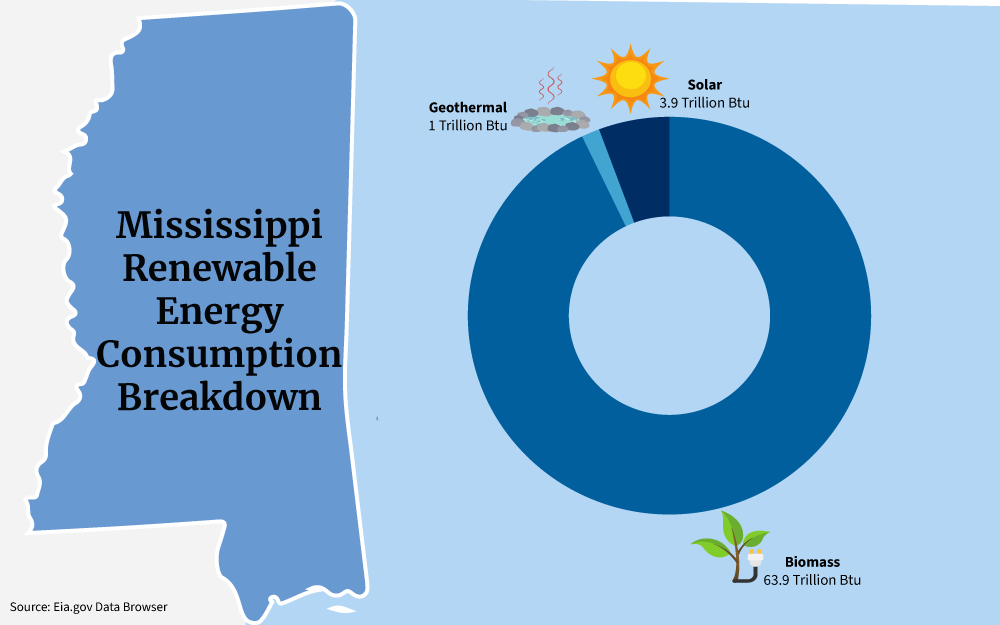
Over the past decade, Mississippi’s approach to commercial solar panel development has shifted from limited engagement to steady, pragmatic expansion. In the mid-2010s, solar represented only a small fraction of the state’s overall energy mix, and policy support was relatively modest. In 2015, the Mississippi Public Service Commission (MPSC) implemented net metering—referred to as “net renewable generation”—which allowed customers to receive credit for excess energy sent back to the grid, though at rates below full retail value. While this marked an important step toward modernization, Mississippi remained more cautious than many other states in aggressively incentivizing renewable development.
Between 2021 and 2023, the regulatory framework expanded to include updated interconnection rules, upfront rebates for distributed solar systems, and additional incentives designed to broaden participation, including programs aimed at low-to-moderate income customers and schools. At the same time, utility-scale solar development accelerated significantly. Dozens of large commercial solar projects were approved, bringing substantial private investment and hundreds of megawatts of new generating capacity to the state. Although Mississippi does not have a renewable portfolio standard mandating specific clean energy targets, growth has been driven by favorable project economics, utility procurement strategies, landowner interest, and the support of federal incentives such as the Investment Tax Credit.
Looking ahead, Mississippi’s stance can best be described as balanced and economically driven. Regulators continue to prioritize grid reliability and affordable rates while permitting commercially viable solar projects to proceed, particularly those that demonstrate local economic benefit. As solar technology costs decline and corporate demand for renewable energy increases, additional commercial solar development is expected across the state. If you are interested in learning more, please reach out to us—we would love to schedule a preliminary discussion on the options and possibilities available to you. Simply fill out the contact form, and we will be sure to get back to you promptly.
Mississippi is moving forward with wind energy development following the launch of its first utility-scale project, the Delta Wind Farm in Tunica County. The project, which began operating in 2024, includes dozens of turbines generating enough electricity to power tens of thousands of homes. Its success demonstrated that large-scale wind generation can operate effectively in the Mississippi Delta’s agricultural landscape, allowing farming activity to continue around turbine installations.
Momentum is building as developers explore additional wind opportunities, particularly in the Delta region where wind resources and transmission access are strongest. State policymakers have taken steps to make renewable investment more attractive, including adjusting property tax assessment rules for wind and solar facilities. At the same time, decisions made at the county level remain critical, as local zoning ordinances and permitting requirements can either encourage or slow new projects.
Debate continues within the Mississippi Legislature over how wind turbines should be sited and regulated, reflecting broader discussions about land use, agriculture, and environmental protections. Utilities such as Entergy Mississippi are balancing renewable additions with other generation sources as part of long-term energy planning. Overall, wind development in Mississippi is progressing, but its pace will largely depend on local policy choices and ongoing legislative decisions.
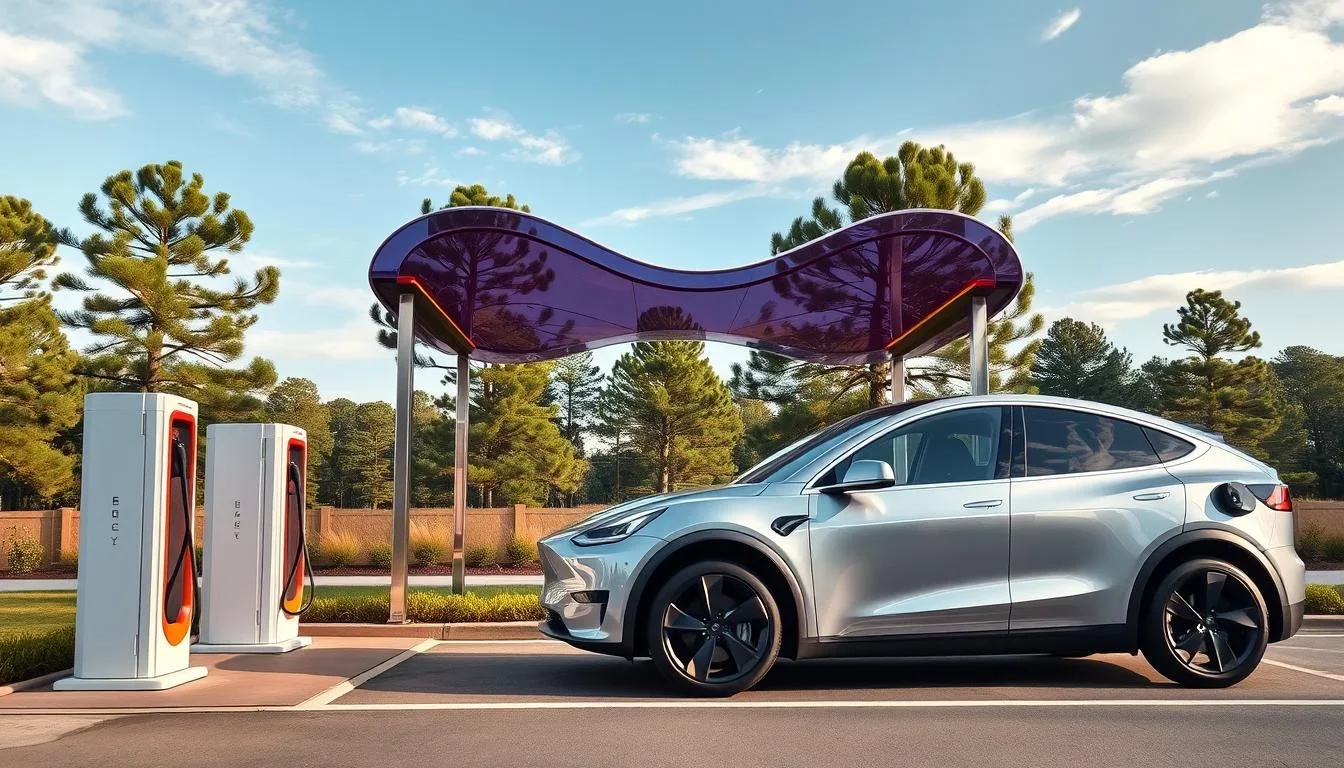
Electric vehicle (EV) charging infrastructure in Mississippi remains in a developmental phase compared to many other regions of the country. Public charging availability is still limited, with most existing installations concentrated in metropolitan areas and select travel corridors. Recent deployments have primarily consisted of Level 2 chargers located at municipal facilities, educational institutions, and community destinations. While these installations provide important foundational access for local EV drivers, broader fast-charging coverage is still needed to support long-distance travel and widespread adoption.
Significant expansion is anticipated through funding provided under the federal National Electric Vehicle Infrastructure (NEVI) program. Mississippi has been allocated more than $50 million to develop a strategic network of DC fast-charging stations along key interstate corridors, including I-10, I-20, I-22, I-55, I-59, I-69, and I-269. These investments are designed to establish reliable charging access at regular intervals, strengthening connectivity across the state and supporting economic activity tied to transportation, tourism, and commerce. As planning transitions into implementation, measurable growth in corridor-based fast charging is expected over the next several years.
As EV adoption continues to expand, charging infrastructure will increasingly become a competitive and strategic asset for businesses, property owners, and community leaders. Early adoption positions organizations to attract customers and tenants, support sustainability objectives, and contribute to regional economic development. We specialize in EV charging technology and infrastructure strategy. If you are evaluating how EV charging can support your business growth objectives while serving as a catalyst for community advancement, we welcome the opportunity to develop a customized implementation plan tailored to your organization or property.