Minnesota
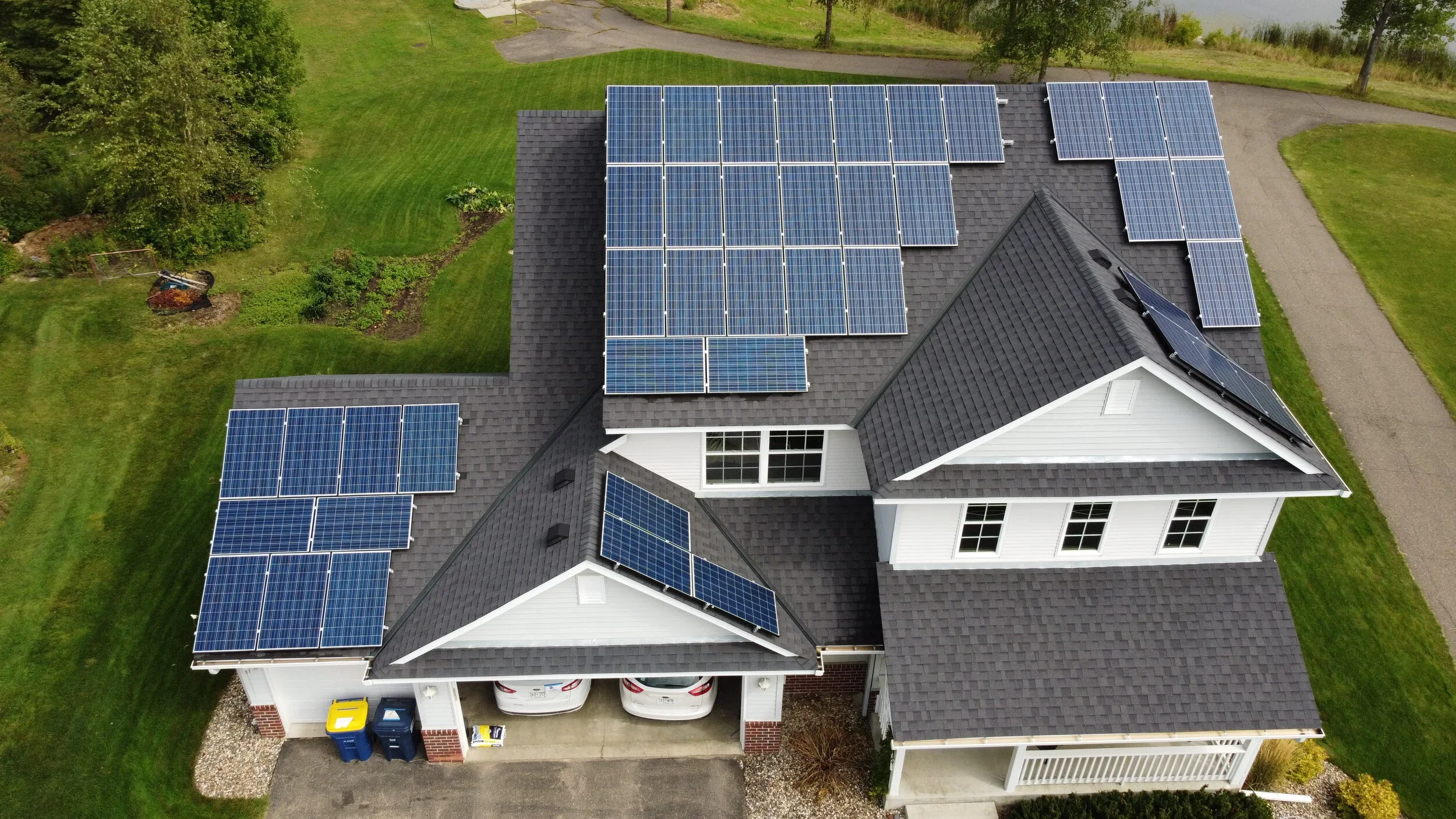
In 2026 and beyond, Minnesota continues to demonstrate a strong policy commitment to solar energy as part of its transition to 100% carbon-free electricity by 2040. For CEOs, business owners, and agricultural leaders, this creates a stable and forward-looking regulatory environment that supports long-term investment in commercial and utility-scale solar projects. State mandates requiring utilities to expand renewable generation, combined with structured permitting pathways and established incentive programs, signal sustained demand for solar development across urban business districts and rural communities alike.
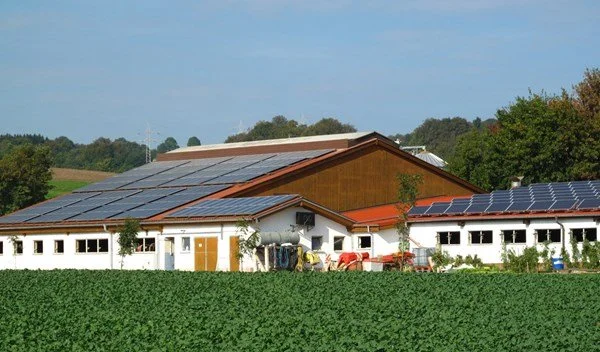
For Minnesota’s business community and farming operations, solar represents more than environmental stewardship—it is a strategic financial decision. Commercial solar installations can provide predictable energy costs, protection against market volatility, and long-term operational savings. In agricultural settings, solar projects can diversify revenue streams, optimize underutilized land, and enhance energy resilience for grain operations, livestock facilities, cold storage, and irrigation systems. While policy discussions continue around program structures and compensation models, the overarching direction of state energy policy remains supportive of responsible solar growth.
As energy independence and cost control become increasingly critical to competitive advantage, now is an opportune time for Minnesota leaders to evaluate their solar options. If you are considering residential, commercial, or agricultural solar opportunities, we invite you to connect with our organization. Our team is prepared to help you assess feasibility, navigate regulatory requirements, and implement a customized solution that strengthens your bottom line while advancing long-term energy security and independence.
Commercial wind turbine development in Minnesota in 2026 and beyond is shaped by the state’s statutory commitment to achieving 100% carbon-free electricity by 2040, continued utility resource planning, and regional transmission expansion. Minnesota remains one of the nation’s leading wind energy producers, and commercial-scale projects—typically ranging from 200 to more than 400 megawatts—are advancing through permitting, land acquisition, and interconnection processes, particularly in the wind-rich southwestern counties. Oversight of projects larger than 5 MW falls under the jurisdiction of the Minnesota Public Utilities Commission, which manages site permitting, environmental review, and transmission approvals. In the near term, development activity is concentrated on replacing retiring coal capacity and meeting interim clean-energy benchmarks, with utilities such as Xcel Energy incorporating new wind resources into integrated resource plans alongside solar and battery storage.
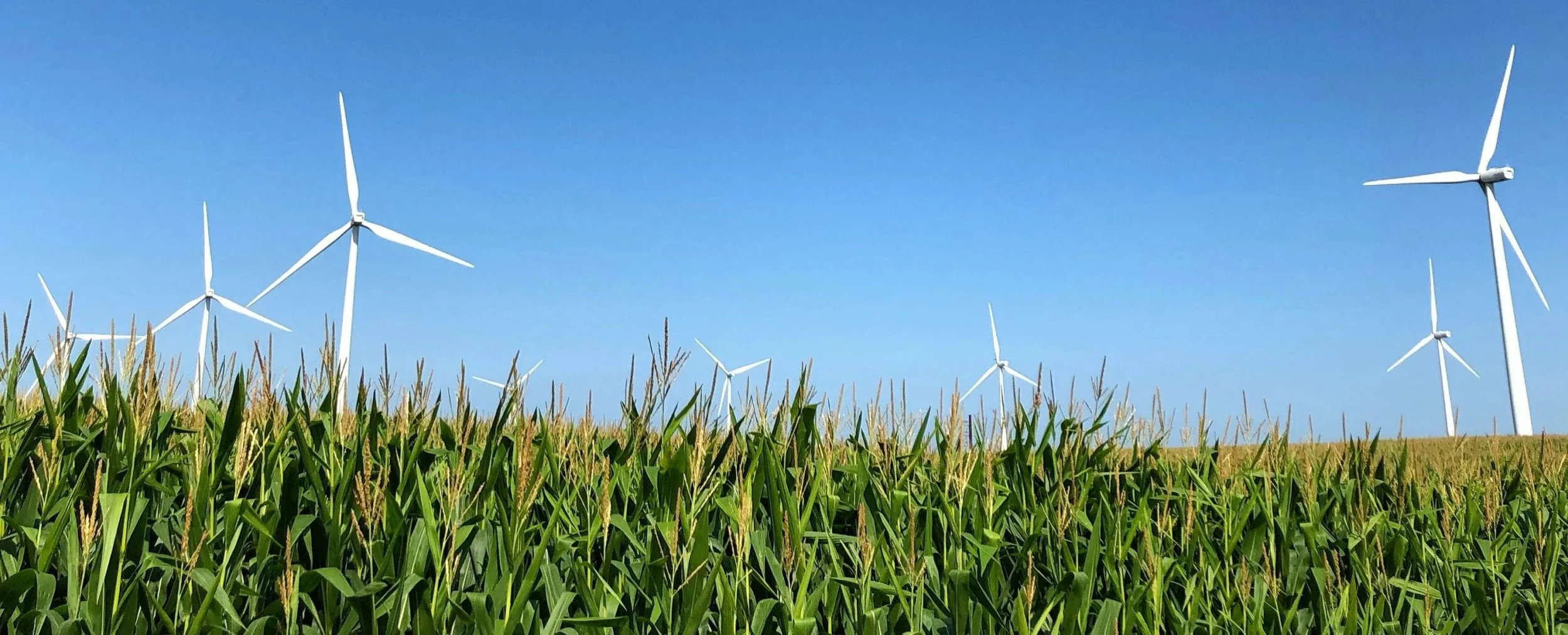
Looking forward, the trajectory of commercial wind development will depend heavily on transmission build-outs to relieve congestion and enable delivery from rural generation sites to urban load centers. Regional high-voltage transmission proposals are expected to unlock additional capacity in the late 2020s and early 2030s, allowing larger and more efficient next-generation turbines—often exceeding 5 MW per unit—to be deployed at scale. However, project timelines remain sensitive to federal tax policy, supply-chain dynamics, turbine pricing, interconnection queue delays, and local siting considerations. Overall, Minnesota’s long-term policy certainty and strong wind resource base position it for continued commercial wind expansion through 2030 and beyond, with wind expected to remain a foundational component of the state’s decarbonized electric grid.
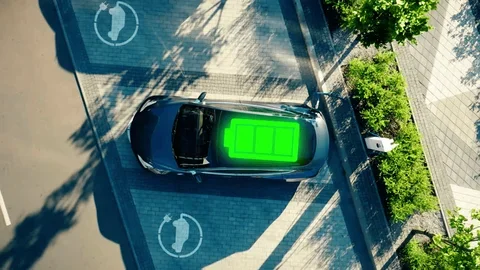
Minnesota is advancing a comprehensive and strategically funded plan to expand commercial electric vehicle (EV) charging infrastructure throughout 2026 and beyond. Under the leadership of the Minnesota Department of Transportation (MnDOT), the state is deploying National Electric Vehicle Infrastructure (NEVI) funds to build high-speed DC fast charging stations along key transportation corridors, including Interstate 94, Interstate 35, and Interstate 90. The goal is to provide reliable charging access at consistent intervals to support commercial fleets, agricultural operations, logistics providers, and the traveling public. In parallel, Minnesota’s 2026 capital budget allocates additional state funding to accelerate development, while the Minnesota Pollution Control Agency (MPCA) continues administering complementary grant and incentive programs.
This coordinated investment creates a significant opportunity for CEOs, business owners, commercial real estate operators, and farmers to position their properties at the forefront of a rapidly expanding market. EV charging infrastructure can attract new customers, support fleet electrification, stabilize long-term operating costs, increase property value, and demonstrate environmental leadership. For agricultural operations and rural businesses in particular, early adoption may provide a competitive advantage as electric trucks, service vehicles, and equipment become more common across Minnesota’s transportation and supply chains.
If you are interested in understanding how these initiatives may apply to your facility, retail center, warehouse, farm, dealership, or corporate campus, we welcome the opportunity to assist you. Should you wish to explore feasibility, available incentives, grid capacity, or projected return on investment, please complete our contact form to request a professional site survey. One of our EV infrastructure specialists will respond within 24 hours to provide a tailored assessment and outline next steps aligned with your operational and financial objectives.