Michigan
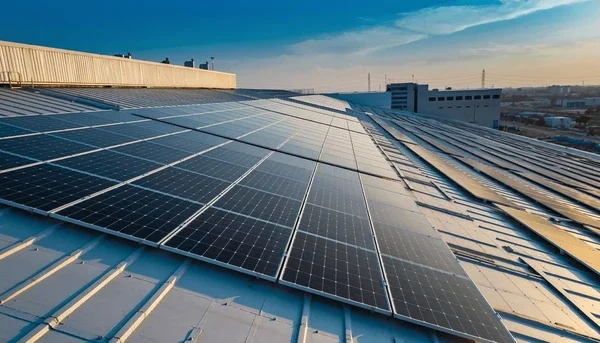
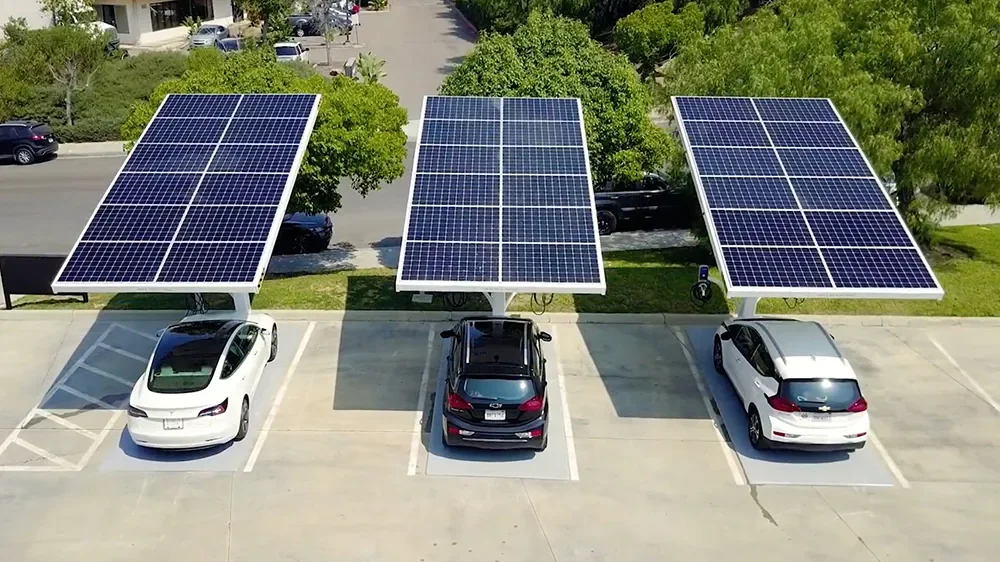
Michigan is continuing to push forward with significant commercial‑scale solar energy development as part of its broader clean energy transition, even as it navigates funding and permitting challenges. One of the most notable milestones this year has been the launch of the 250 MW Muskegon Solar project, now operational in Muskegon County and capable of generating enough electricity to power around 40,000 homes and businesses; this installation represents the largest utility‑scale solar array in the state to date and was built to support both residential and commercial energy demand.
In addition to Muskegon Solar, the White Tail Solar project in Washtenaw County has entered commercial operation, supplying renewable energy to a group of municipal utilities under the Michigan Public Power Agency agreement, demonstrating how collaborative projects are expanding solar capacity across multiple communities.
Utilities like Consumers Energy remain committed to scaling up solar as part of their long‑term strategy; their broader clean energy roadmap envisions tens of utility‑scale solar farms across Michigan, contributing to a targeted increase in solar capacity through the 2020s and into 2040, when the state aims to reach net‑zero carbon emissions. Projects such as the Sunfish Solar 2 installation, expected to be completed in 2026, will add several hundred megawatts more of capacity once fully online.
At the same time, local and federal funding shifts and permitting hurdles remain an ongoing concern for solar developers and stakeholders. Michigan has ambitious clean energy goals — including achieving at least 50 % renewable energy by 2030 and 100 % clean energy by 2040 — but analysts and officials say streamlining project approvals and securing predictable funding will be critical to keeping commercial solar deployment on track.
Overall, 2026 looks to be a year of both operational growth and strategic planning for commercial solar in Michigan, with major utility projects coming online and additional developments progressing through permitting and construction phases as part of the state’s broader clean energy transformation.
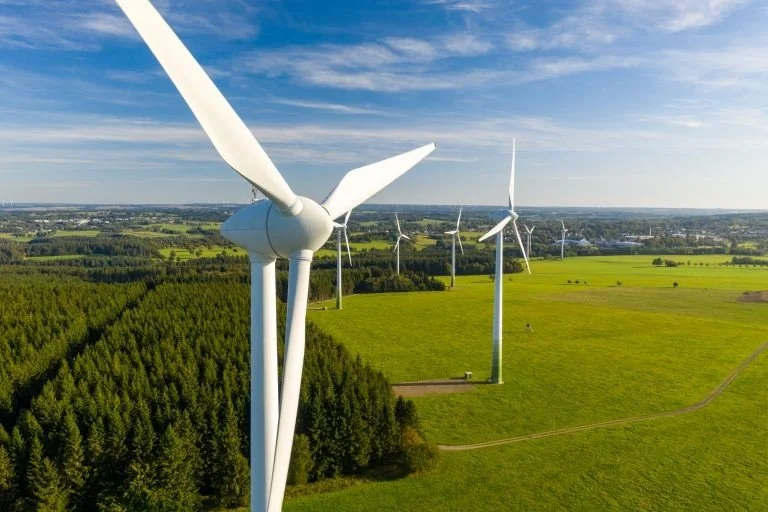
Michigan’s wind energy sector is positioned for continued expansion through 2026 and into the next decade, underpinned by robust state renewable energy policy and utility planning. The statutory renewable portfolio standard requires 50 % renewable electricity by 2030 and 60 % by 2035, with a long‑term target of 100 % clean energy by 2040, creating a structural demand for increased utility‑scale wind capacity. Major regulated utilities such as DTE Energy are actively soliciting proposals for 1,075–1,350 MW of new wind and solar projects, aimed at commercial operation through the late 2020s as part of broader integrated resource plans. Already, Michigan’s wind portfolio includes multiple utility‑scale wind farms, including the 225 MW Meridian Wind Park and dozens of other wind parks, with plans to add approximately 1,000 MW of new renewable capacity annually beginning in 2026.
At the same time, developers and policymakers will need to navigate material challenges that could influence project timing and scale. While state policy and incentive programs such as Renewables Ready Communities aim to streamline siting and promote local participation, federal policy uncertainty — including shifting tax incentives and broader regulatory signals — continues to affect project economics and investor confidence. Local permitting and community engagement remain important considerations, even as state law increasingly consolidates siting authority with the Michigan Public Service Commission for large renewable projects. In this context, wind energy is expected to remain a cornerstone of Michigan’s generation portfolio, supported by strategic transmission investments and integrated planning, but its ultimate pace of deployment will reflect the interplay of policy, market conditions, and grid integration imperatives.
Michigan is implementing a comprehensive strategy to expand its electric vehicle (EV) charging infrastructure, integrating federal and state funding with long‑term planning to support increasing EV adoption. Central to this effort is the National Electric Vehicle Infrastructure (NEVI) Formula Program, through which Michigan will receive roughly $110 million in federal funds through 2026 to strategically deploy a network of fast chargers along designated alternative fuel corridors. The first NEVI‑funded public charging station opened in Lansing in late 2024, and over 100 fast charging stations are planned statewide, with additional sites in design and construction phases to enhance long‑distance and regional connectivity.
Complementing the federal NEVI initiative, Michigan has launched the Clean Fuel and Charging Infrastructure (CFCI) Program with a one‑time $30 million state allocation to broaden EV charging access, particularly in underserved and disadvantaged communities. Early rounds of the CFCI Program have already allocated more than $1.84 million to install 201 new EV chargers at multifamily housing properties, closing gaps where residents often lack at‑home charging options and advancing equity goals aligned with the state’s MI Healthy Climate Plan. This policy framework emphasizes not only emissions reductions but also equitable access and support for a projected 2 million EVs on Michigan roads by 2030.
To help property owners capitalize on this growing opportunity, our company offers seamless EV charging station installation with strategic and profitable outcomes. We manage everything from site assessment and permitting to installation and ongoing support, making it simple to bring EV infrastructure to your property. Fill out our contact form, and one of our EV specialists will reach out within 24 hours to discuss a tailored solution that maximizes both accessibility for EV drivers and revenue potential for your property.