

Louisiana
Louisiana is experiencing significant growth in commercial solar development in 2026 and beyond, reflecting an increasing commitment to sustainable energy. Large-scale projects such as the Beekman Solar Project (185 MW) in Morehouse Parish and the Hollis Creek Solar Project (200 MW) in Sabine Parish are currently under construction, with operations expected to commence in 2027. Developed by Treaty Oak Clean Energy, these projects are supported by long-term power purchase agreements with major corporate buyers, demonstrating the growing role of commercial demand in advancing the state’s renewable energy infrastructure.
Several projects have already reached completion or are nearing commercial operation, contributing meaningful capacity to Louisiana’s energy grid. The Lafitte Solar Project (100 MW) in Ouachita Parish, completed in 2025, and the Bayou Galion Solar Project (127 MW) in Morehouse Parish, operational since 2024, exemplify the state’s expanding utility-scale solar footprint. These initiatives not only provide clean energy but also establish a strong foundation for future investment in commercial solar development across the region.
Looking forward, additional projects such as the Mondu Solar Project (~150 MW) in Pointe Coupee Parish and the Sterlington Solar Project (~50 MW) in North Louisiana are anticipated to begin operations in 2026. This continued investment highlights Louisiana’s strategic positioning in the renewable energy market and underscores the increasing opportunities for corporate and utility-scale solar partnerships. The state’s energy landscape is evolving, offering significant prospects for developers, investors, and businesses seeking sustainable energy solutions.
If you are a local residential or commercial solar company, we welcome the opportunity to explore innovative partnerships. For business owners or homeowners interested in solar energy, please reach out to us—one of our solar professionals will respond within 24 hours to provide guidance and discuss tailored solutions for your energy needs.
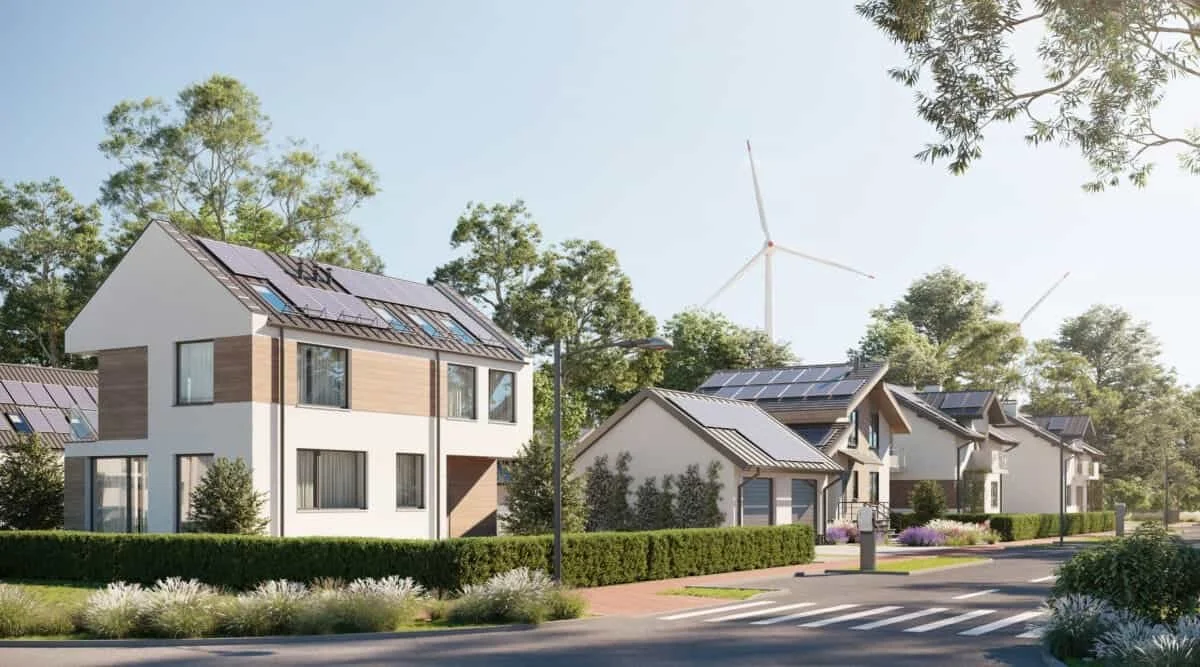
As of 2026 and moving forward, Louisiana’s official stance on commercial wind turbine projects is cautiously proactive but highly regulated. The state government is actively planning and laying the groundwork for offshore wind development through initiatives like the Louisiana Offshore Wind Roadmap, a strategic plan to guide the development of offshore wind energy in state waters and integrate it into Louisiana’s broader energy portfolio. This effort, led by the Louisiana Department of Conservation and Energy, involves stakeholder engagement, workforce planning, supply chain mapping, and environmental and spatial planning to attract investment and support future industry growth. The Roadmap is expected to be published in 2026 and aims to capitalize on the Gulf of Mexico’s wind resources while balancing local interests and environmental considerations.
At the same time, Louisiana has updated its regulatory framework for onshore wind projects, requiring state permits for construction and operation, along with financial security and decommissioning plans under recent renewable energy laws (e.g., Act No. 279). This reflects a growth mindset toward wind energy, but one that emphasizes oversight and structured permitting to address local concerns and project impacts. While federal dynamics—such as nationwide shifts in offshore wind policy—can influence momentum, Louisiana continues to explore wind energy’s economic and energy-market potential, balancing industry opportunities with regulatory safeguards as it moves into the latter half of the decade.
The state’s stance on commercial EV charging development in 2026 and beyond is generally supportive, with a clear emphasis on encouraging private-sector investment. The Louisiana Public Service Commission has adopted policies that prevent regulated utilities from using ratepayer funds to dominate the EV charging market, helping ensure competitive opportunities for independent charging providers. At the same time, state law formally recognizes EV charging stations within its fuel and metering framework, providing regulatory clarity for commercial developers.
On infrastructure deployment, the Louisiana Department of Transportation and Development is administering federal funds through the National Electric Vehicle Infrastructure (NEVI) Program to build DC fast-charging stations along designated highway corridors. These grants typically cover up to 80% of eligible project costs, requiring private cost-sharing and prioritizing reliable, publicly accessible sites. While federal guidance shifts have occasionally affected timelines, Louisiana continues to move forward with corridor-based buildout to improve statewide coverage.
For commercial property owners and developers, utilities such as Cleco Power and Entergy offer rebate and incentive programs to offset installation costs for Level 2 and DC fast chargers. Combined with the state’s pro-competition regulatory approach and corridor-focused infrastructure planning, Louisiana’s trajectory suggests steady but market-driven growth in EV charging infrastructure through 2026 and into the next decade.