

Kentucky
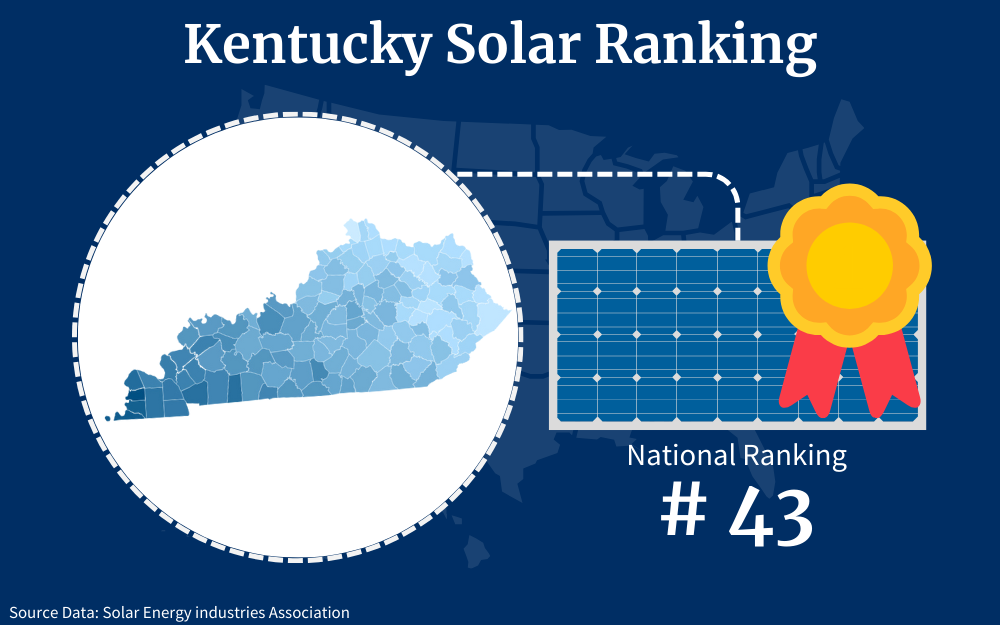
Kentucky’s energy future is entering a transformative phase, and 2026 marks a strategic inflection point for commercial solar development across Kentucky. Utilities are no longer viewing solar as a niche supplement—they are incorporating it into long-term grid modernization strategies to enhance resilience, hedge against fuel volatility, and meet growing corporate sustainability demands. Organizations such as East Kentucky Power Cooperative have signaled measurable solar expansion within their integrated resource planning, demonstrating that large-scale renewable deployment is becoming a structural component of Kentucky’s power portfolio. This shift creates a stable runway for private commercial investment aligned with utility-scale momentum.
Innovation is also accelerating at the project level. Advanced site modeling, agrivoltaics, battery storage pairing, and smart inverters are redefining how commercial properties capture and manage energy. In forward-thinking communities like Lexington, solar initiatives and sustainability programs are streamlining adoption while federal incentives—including the 30% Investment Tax Credit, MACRS accelerated depreciation, USDA REAP grants, and C-PACE financing—unlock powerful capital efficiencies. For commercial developers, manufacturers, agricultural operators, and multi-site portfolios, solar is no longer simply a cost-saving measure; it is an asset class that enhances property value, strengthens ESG positioning, and future-proofs operations against rate instability.
The businesses that move first will define the market. By integrating commercial solar now, companies can transform rooftops, open land, and underutilized space into revenue-generating infrastructure—turning fixed overhead into long-term strategic advantage. Whether your goal is operational savings, sustainability leadership, or energy independence, the pathway is clear and economically compelling. If you’re ready to explore what’s possible, fill out our contact form and a member of our commercial or residential department will connect with you within 24 hours to design a forward-looking energy solution tailored to your property.
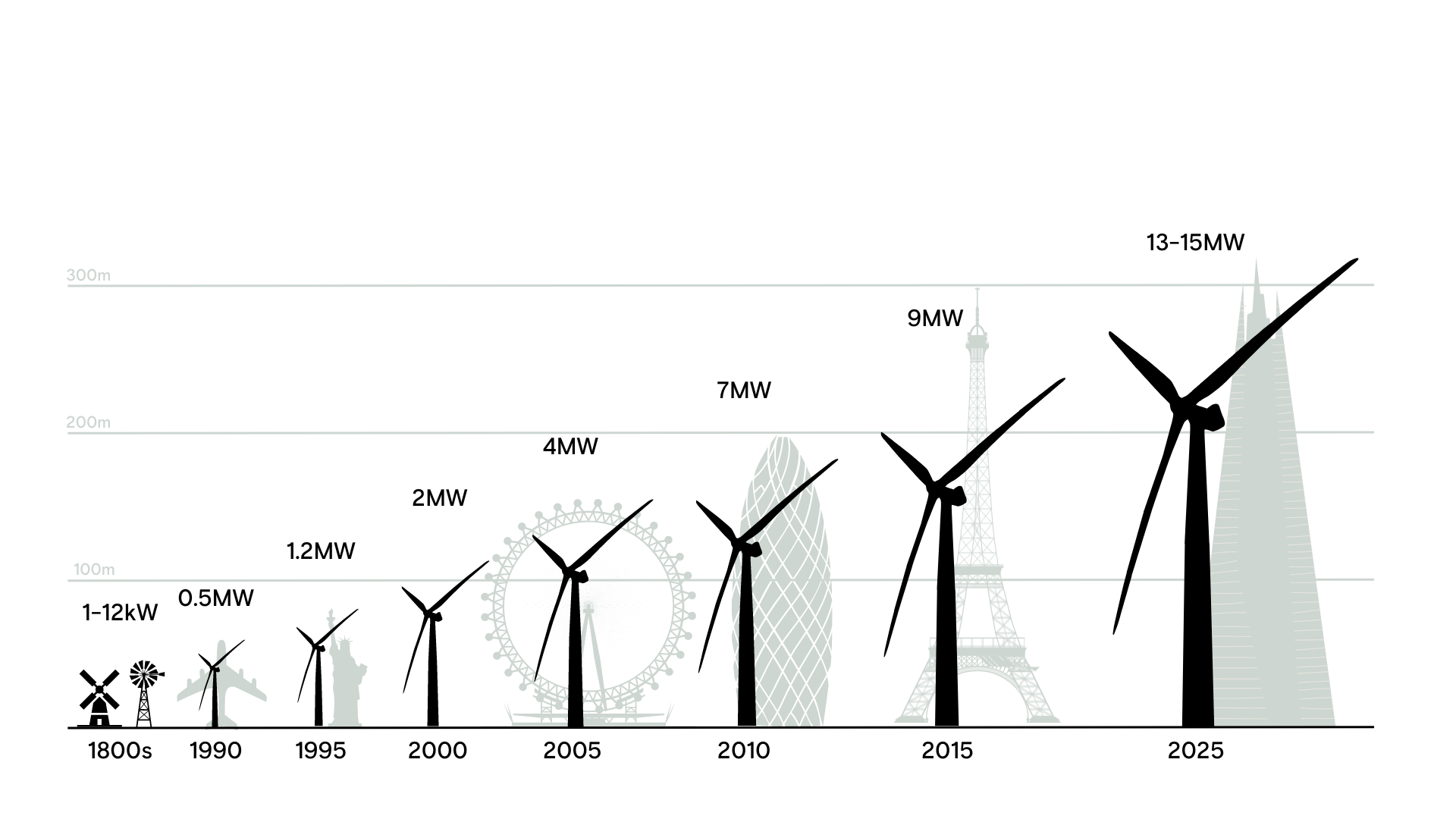
As of 2026, wind turbine technology in Kentucky remains in an early, research-centered phase rather than widespread commercial use. The state’s first utility-scale wind turbine was installed at the E.W. Brown Generating Station in Mercer County by Louisville Gas and Electric Company and Kentucky Utilities. This turbine is part of a Renewable Integration Research Facility and is intended primarily to gather data on how wind energy performs under Kentucky’s relatively moderate wind conditions. Rather than serving as a major power source, it functions as a demonstration and research asset.
The project integrates wind generation with solar panels and battery storage in a microgrid system, allowing engineers to study how multiple renewable technologies can work together to maintain grid stability. Because Kentucky does not have the consistently strong wind resources found in traditional wind-energy states, this research helps determine whether wind can effectively supplement existing coal and natural gas generation. The data collected also supports planning decisions about future renewable investments.
Although there are proposals for larger wind developments, Kentucky does not yet have operating commercial wind farms. Some proposed projects have prompted community discussions and temporary local moratoriums while officials review zoning rules and potential impacts. Overall, wind turbine technology in Kentucky in 2026 reflects a cautious but forward-looking approach, focused on research, grid integration, and gradual exploration of renewable energy opportunities rather than rapid expansion.

Electric vehicle (EV) charging infrastructure in Kentucky is expanding rapidly through 2026, primarily driven by federal funding from the National Electric Vehicle Infrastructure Program (NEVI). The state is building a network of DC fast-charging stations along major interstates and parkways, with stations spaced roughly every 50 miles to support long-distance travel. By the end of 2026, roughly 46–48 NEVI-funded sites are expected to be operational statewide, each meeting federal standards requiring at least four 150 kW fast-charging ports, 24/7 public access, and reliable uptime requirements.
The rollout is coordinated by the Kentucky Transportation Cabinet (KYTC), which administers federal funds while partnering with private charging developers that build, own, and operate the stations. Kentucky is set to receive about $70 million in total NEVI funding over multiple years, with most funds already obligated. Private partners are required to contribute at least 20% of project costs, creating a public-private model that reduces state financial burden while accelerating deployment.
Beyond 2026, Kentucky’s strategy shifts from interstate corridor coverage to broader community and destination charging. Future phases are expected to expand fast charging into smaller cities, rural communities, and tourism areas while increasing Level 2 charging at workplaces, retail centers, and multifamily housing. This next stage aims to support growing EV adoption statewide and ensure reliable, convenient charging access for both highway travel and everyday local use. If you are interested in learning about innovative ways to bring EV charging to your property, please contact us and we will schedule a preliminary site survey conducted by one of our EV specialists to evaluate opportunities and develop a customized implementation plan.