

Idaho
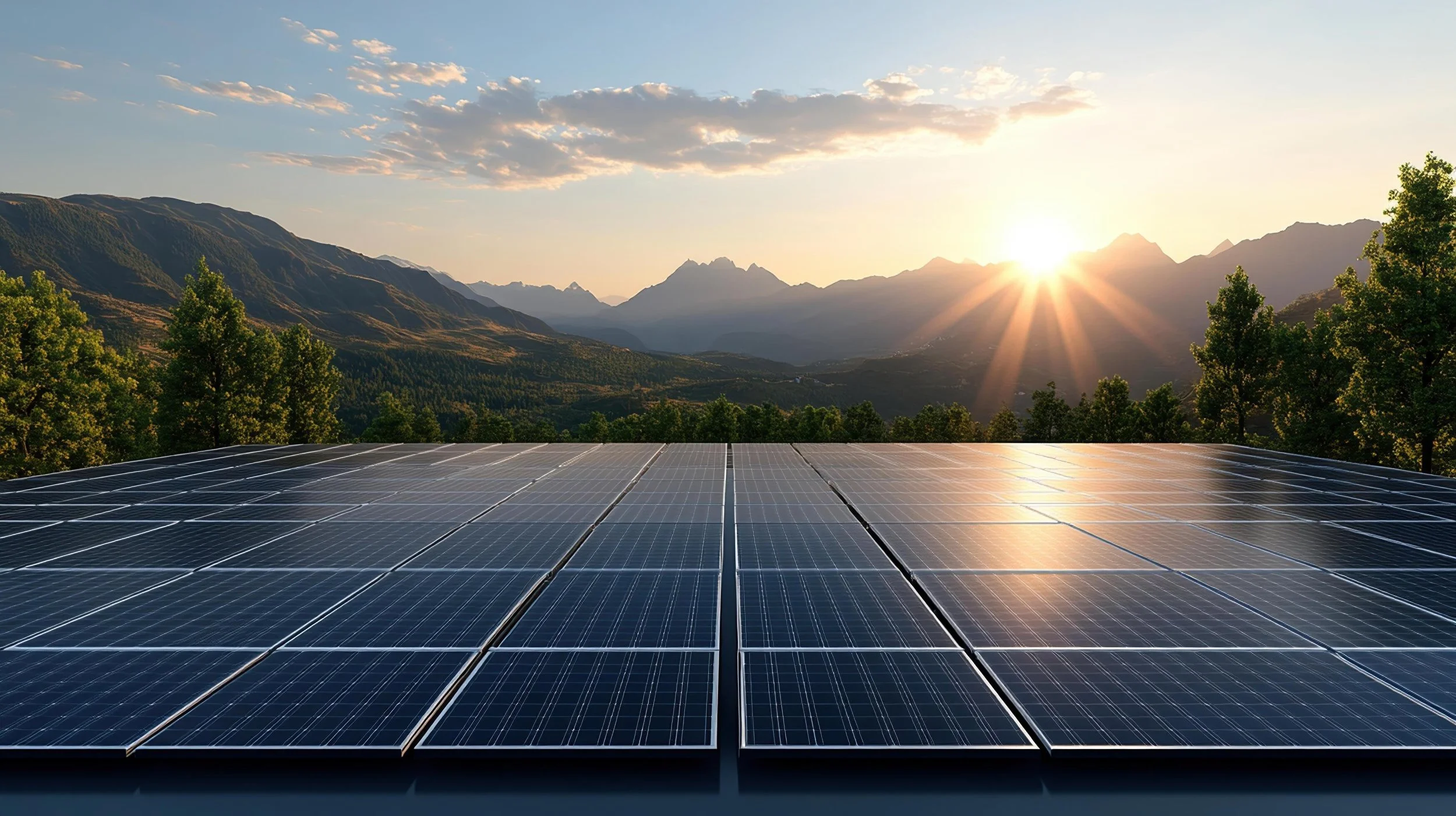
Idaho’s approach to commercial solar panel projects in 2026 and beyond is centered on strategic expansion, regulatory refinement, and long-term grid reliability. Utilities such as Idaho Power continue integrating utility-scale solar into their long-range resource plans to meet population growth and rising energy demand. New commercial solar installations are increasingly paired with battery storage to improve dispatchability and grid stability. At the same time, corporate energy users—including data centers and large industrial facilities—are driving demand for long-term renewable energy agreements, accelerating development across the state.
Regulatory oversight and land-use planning are also evolving. The Idaho Public Utilities Commission plays a key role in reviewing power purchase agreements, rate structures, and interconnection standards that affect commercial solar economics. Counties across Idaho are refining zoning ordinances to address farmland preservation, environmental considerations, fire safety requirements for battery storage, and clear decommissioning plans. This structured approach aims to balance renewable energy growth with community priorities and agricultural protection.
Financial incentives remain a strong driver for commercial solar investment. Federal programs such as the Investment Tax Credit (ITC), along with state-supported financing options through the Idaho Governor's Office of Energy and Mineral Resources, help improve project feasibility and return on investment. As Idaho moves forward, commercial solar development will continue to focus on smart siting, transmission coordination, and long-term economic sustainability. If you are interested in exploring a commercial solar project, contact us to schedule a consultation and discuss how we can help you navigate planning, incentives, and implementation.
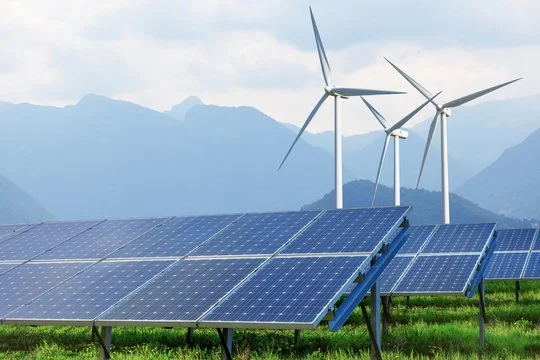
Wind power in Idaho continues to play a meaningful role in the state’s electricity mix in 2026, supplying roughly 15–20% of total in-state generation depending on water conditions for hydropower. With just under 1,000 megawatts of installed wind capacity, most projects are concentrated in southern and eastern Idaho where wind resources are strongest. Utilities such as Idaho Power continue integrating wind alongside hydroelectric power, natural gas, solar, and emerging battery storage to maintain grid reliability while managing seasonal variability.
Looking forward, growth in Idaho’s wind sector is expected to come primarily from hybrid projects that combine wind, solar, and energy storage rather than from very large standalone wind farms. Transmission expansion projects like the Boardman to Hemingway Transmission Line and Gateway West Transmission Line will be critical for moving renewable energy across the region and enabling additional development. At the same time, federal land-use decisions—such as the cancellation of the Lava Ridge Wind Project—illustrate how permitting and policy shifts can significantly influence the pace and scale of new wind investments.
Overall, Idaho’s wind outlook through the late 2020s is steady but strategic: utilities are prioritizing grid stability, cost control, and diversified renewable portfolios rather than rapid standalone wind expansion. Continued electrification, regional power demand growth, and storage improvements will shape how much additional wind capacity is ultimately built. If you are evaluating wind development opportunities, land leasing, grid interconnection strategy, or long-term energy planning in Idaho, EAG would be glad to offer a consultation to discuss your specific goals and project considerations.
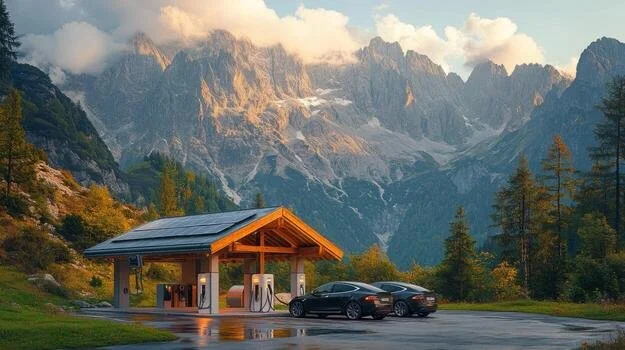
Idaho’s strategy for expanding electric vehicle (EV) charging infrastructure through 2026 is anchored in participation in the National Electric Vehicle Infrastructure (NEVI) Formula Program, a federally funded initiative aimed at establishing a reliable network of fast-charging stations along key interstate and highway corridors. The program is designed to place charging stations approximately every 50 miles, supporting long-distance travel and enhancing driver confidence across both rural and urban areas. The Idaho Transportation Department has conducted comprehensive planning studies, site evaluations, and public outreach to identify priority locations that align with federal standards and statewide transportation objectives.
Once fully implemented, the plan will focus on deploying DC fast charging stations at strategic corridor locations to ensure consistent coverage across the state. These stations are expected to meet federal requirements for charging speed, reliability, and accessibility, helping to future-proof Idaho’s transportation infrastructure as EV adoption increases. In parallel, municipalities and utilities are pursuing complementary projects to expand charging availability in urban centers, commercial hubs, and high-traffic community areas, further supporting statewide EV adoption.
For property owners, developers, municipalities, or businesses considering participation in Idaho’s EV charging network, this represents a timely opportunity to explore the potential benefits of station deployment. Our team can provide a comprehensive evaluation, including site feasibility assessments, funding and incentive guidance, and long-term development strategy recommendations. Please contact us to discuss how your location can contribute to Idaho’s growing EV charging infrastructure while maximizing operational and financial outcomes.