Hawaii
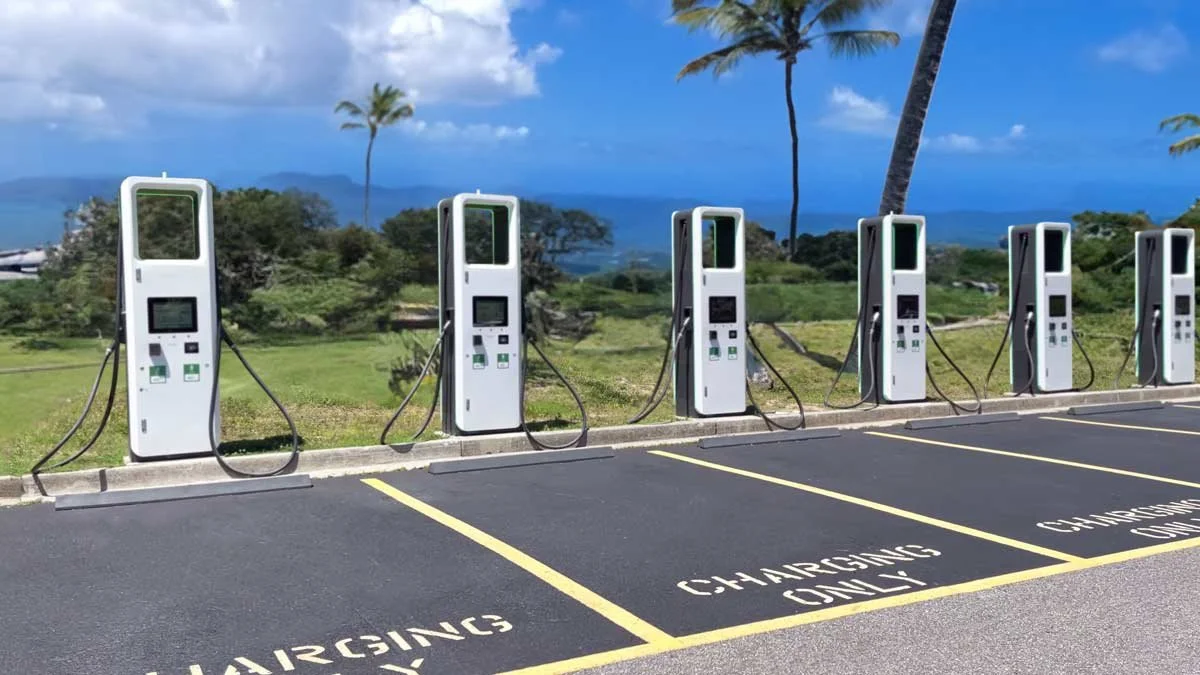
Hawaii is accelerating its electric vehicle (EV) charging expansion through 2026 and beyond, led by the Hawaiʻi Department of Transportation under the federal National Electric Vehicle Infrastructure (NEVI) program. The state is strategically deploying high-speed DC fast charging stations along key corridors across Oʻahu, Maui, Hawaiʻi Island, and Kauaʻi to ensure reliable inter-island connectivity for residents and visitors. These stations are designed to provide 150 kW or greater charging capacity, reducing wait times and supporting increased EV adoption as Hawaii advances toward its goal of 100% renewable energy by 2045. This corridor-focused approach is complemented by policies encouraging EV-ready construction and broader infrastructure planning to support long-term transportation electrification.
Beyond highways, Hawaii is expanding community-based and workplace charging through incentive programs supported by organizations such as Hawai‘i Energy. These programs provide rebates and technical support for commercial properties, multi-unit dwellings, and businesses that install Level 2 and DC fast chargers. This ensures charging access is integrated into everyday destinations including shopping centers, hotels, office buildings, and residential complexes. By embedding charging into parking facilities statewide, Hawaii is creating a distributed network that supports both daily commuters and the tourism-driven economy.
Looking ahead, innovation will define the next phase of growth. Parking lots represent a powerful opportunity to generate new income while supporting clean energy goals. Our company helps property owners transform underutilized parking areas into revenue-generating EV charging hubs enhanced with solar canopies and battery storage. By integrating on-site renewable energy, businesses can reduce operating costs, create energy resilience, and monetize charging services through flexible pricing and subscription models. Partnering with us allows stakeholders to unlock additional revenue streams while bringing renewable-powered mobility directly into their parking lots, accelerating Hawaii’s transition to a cleaner, more sustainable transportation future.
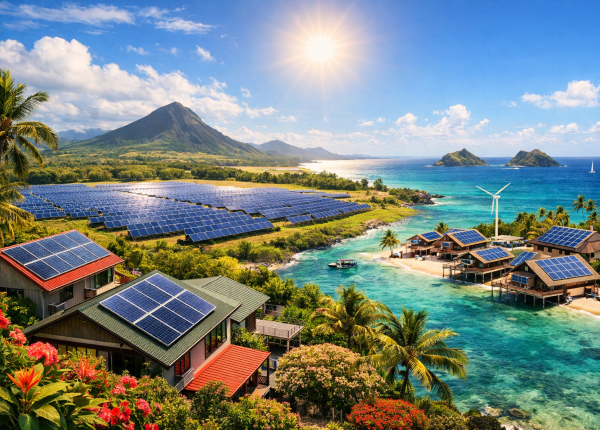
Hawai‘i has charted a clear and compelling growth path for renewable energy in 2026 and beyond, anchored by its statutory goal of reaching 100 % renewable electricity by 2045 and enhanced by recent policy actions that accelerate clean energy deployment across the islands. Rooftop and grid‑scale solar — paired with energy storage — are recognized as critical technologies for diversifying Hawai‘i’s energy supply and reducing dependence on imported fossil fuels, with customer‑sited distributed energy resources playing an increasingly vital role in meeting near‑term milestones such as utility renewables targets. Local and state leadership, including executive directives to expedite renewable project development, underscores Hawai‘i’s commitment to a resilient, sustainable energy future.
For commercial solar companies, city officials, and property developers, this policy momentum translates into a fertile business environment rich with economic and strategic opportunities. Hawaii’s high solar irradiance means more generation per installed capacity compared with many mainland markets, while a robust suite of federal and state incentives — including the federal Investment Tax Credit (ITC) combined with the Hawai‘i Renewable Energy Technologies Income Tax Credit and other local exemptions — can significantly offset project costs and improve returns on commercial installations. As Hawai‘i continues to integrate more rooftop and utility‑scale solar across industrial parks, commercial campuses, and municipal facilities, there’s strong demand for innovative financing structures, turnkey engineering solutions, and collaborative permitting strategies that accelerate deployment and deliver long‑term value.
We warmly invite forward‑thinking partners in the commercial solar ecosystem to join us in advancing Hawai‘i’s clean energy transformation. Whether you’re a solar developer ready to bring large‑scale arrays to island grids, a city leader seeking to integrate solar and storage into public infrastructure projects, or a commercial property developer looking to enhance sustainability and operational savings, there’s room for strategic, sustainable collaboration. Together, we can unlock the full potential of Hawai‘i’s solar resources, build resilient energy assets for the future, and create lasting economic and environmental benefits for communities across the state.
Hawaii’s outlook on commercial wind turbine development in 2026 and beyond is cautiously optimistic, guided by its ambitious goal of 100% renewable electricity by 2045. The state’s Renewable Portfolio Standard and the Hawai‘i Clean Energy Initiative provide a strong policy framework to encourage wind alongside solar and storage, emphasizing sustainability, grid reliability, and community engagement. While onshore wind has contributed to the energy mix for years, new development is often carefully scrutinized to balance renewable goals with environmental and cultural stewardship.
Existing onshore wind farms, such as the Kaheawa Wind Power facility on Maui and the Kawailoa and Hawi Wind Farms, continue to operate under long-term leases, often involving turbine refurbishment rather than expansion. These projects are critical to Hawaii’s renewable energy supply but face ongoing considerations for habitat conservation and community acceptance. Upgrades to existing turbines and careful management of wildlife impacts, especially birds and bats, are central to the state’s approach to sustainable wind development.
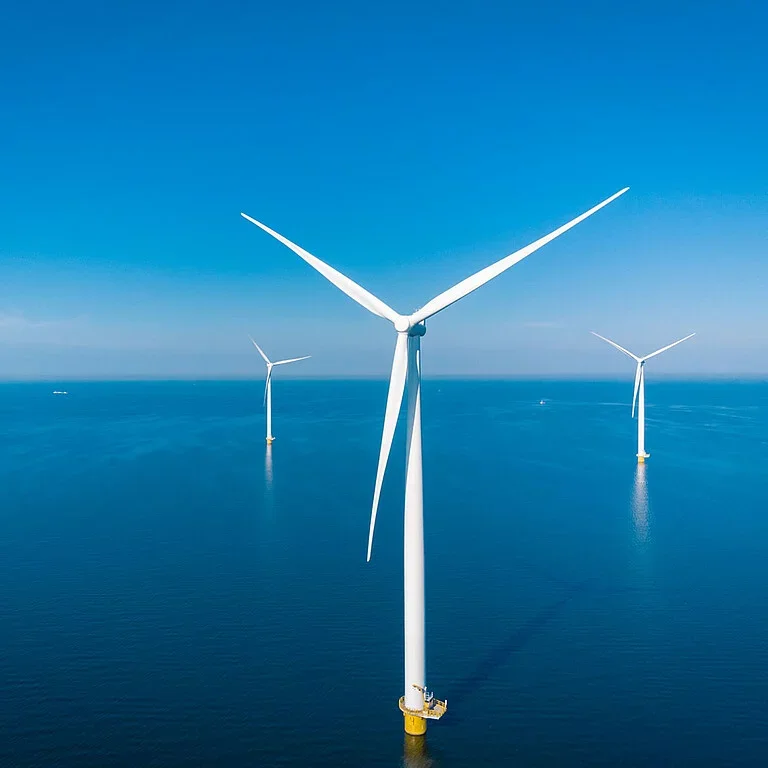
Looking forward, offshore wind, particularly floating turbines, represents Hawaii’s largest untapped potential for large-scale generation. Early planning and environmental review stages are underway, though projects face challenges related to permitting, visual impact, and local opposition. Over the next decade, onshore repowering and cautious offshore development are likely to dominate, with wind becoming an increasingly important complement to solar and storage as the state moves toward its 2045 clean energy goal.