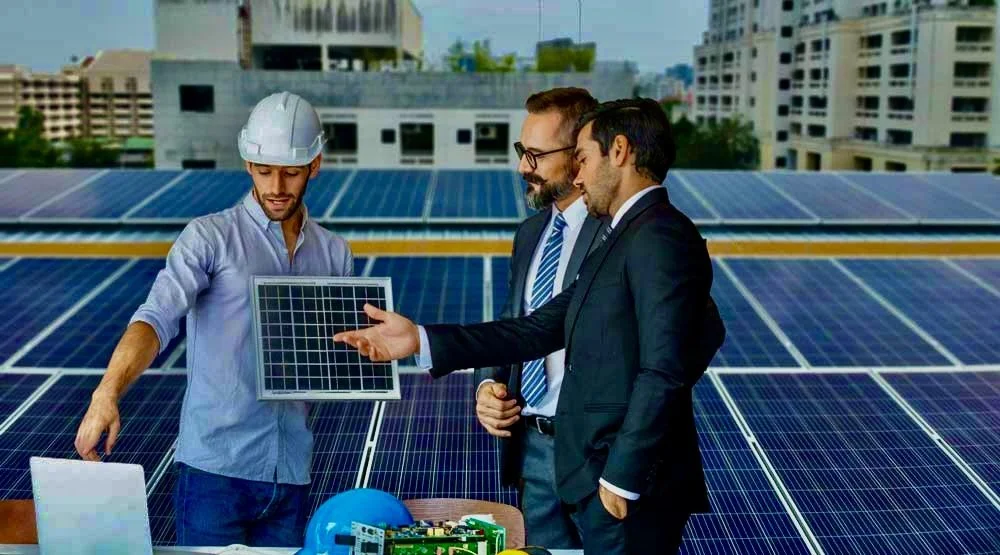
Commercial Solar
Implementing solar panels on commercial buildings offers several key benefits, with one of the most notable being reduced energy costs. By producing their own electricity, businesses can significantly lower their reliance on external energy providers, which results in lower utility bills. For commercial properties with high energy consumption, such as office complexes or manufacturing facilities, these savings can be substantial over time, making solar energy an economically attractive option.
Another major advantage is the enhanced sustainability and environmental responsibility that comes with adopting solar energy. As environmental concerns continue to rise, businesses that invest in solar panels demonstrate a commitment to reducing their carbon footprint and supporting clean energy initiatives. This shift to greener energy sources not only aligns with growing consumer demand for sustainability but also improves a company’s public image. It can help attract eco-conscious customers, enhance brand reputation, and even appeal to investors who prioritize sustainability.
Lastly, long-term financial incentives make solar panel projects more accessible for commercial buildings. Various government programs, such as the federal Investment Tax Credit (ITC), state rebates, and local utility incentives, can significantly reduce the initial installation costs. These financial incentives, combined with the ongoing energy savings, make solar energy a sound long-term investment. Over time, businesses can achieve a strong return on investment (ROI), improving their bottom line while contributing to a more sustainable future.
One of the main drawbacks of installing solar panels on a commercial building is the significant upfront cost. While the long-term savings can be substantial, the initial investment for purchasing and installing the system can be quite high, especially for large commercial properties. This can be a financial burden for businesses, particularly small to medium-sized enterprises, despite available incentives or financing options. The high cost can make it difficult for some businesses to justify the investment, especially when they are uncertain about the return on investment or the long-term financial benefits.
Another potential con is the space requirement for solar installations. Commercial buildings may not always have sufficient rooftop space or may face challenges with shading or structural limitations that affect the efficiency of the solar system. In urban areas, where buildings are often closely packed, finding an ideal location for solar panels without obstruction can be difficult. This might reduce the potential energy savings or require additional investment in alternative solutions like solar carports or ground-mounted systems, further increasing the overall project cost.