Wisconsin
Wisconsin is a significant consumer of natural gas despite not producing any within the state. In 2024, approximately 561 billion cubic feet (Bcf) of natural gas were delivered to consumers, representing a modest decline of roughly 1.3% compared to the previous year. Consumption spans the residential, commercial, and industrial sectors, with residential demand accounting for approximately 123 Bcf, a 5.4% decrease from 2023, reflecting expected seasonal variations. Over recent years, annual deliveries to end users have consistently ranged between 540 and 590 Bcf, underscoring Wisconsin’s continued reliance on natural gas for heating, manufacturing, and electricity generation.
Natural gas plays a critical role in Wisconsin’s electricity generation portfolio. According to the most recent data, it accounts for approximately 32–38% of in-state electricity production, making it the leading fossil fuel source and a key complement to coal. Over the past decade, the share of natural gas in electricity generation has more than doubled, rising from less than 15% as coal-fired generation declined. The state’s electric grid remains dependent on natural gas facilities, which provide flexible capacity to balance variable renewable energy output and meet peak demand.
Recent infrastructure investments have focused on pipeline upgrades and reliability enhancements to support both current needs and projected growth. The $700 million Wisconsin Reliability Project replaced aging pipeline segments and added compression capacity, responding in part to projections of a ~45% increase in gas demand by 2035, driven by industrial and economic expansion. Wisconsin’s extensive pipeline network, operated by companies such as TC Energy, comprises thousands of miles of transmission and distribution mains that deliver interstate natural gas into the state.
Policy and regulatory developments reflect both ongoing support for natural gas and emerging challenges. State regulators have recently approved multi-billion-dollar investments in new gas-fired power plants, which have drawn criticism from consumer advocates concerned about potential rate impacts, long-term demand, and overall cost. Concurrently, fluctuations in U.S. natural gas prices have prompted some Wisconsin utilities to temporarily revert to coal for cost efficiency, highlighting market sensitivity and the influence of broader energy economics on fuel choice. This combination of infrastructure investment, substantial consumption, and policy debate underscores Wisconsin’s current approach to natural gas development.
For stakeholders—including state officials, business owners, or homeowners—interested in exploring affordable solar power solutions in Wisconsin, we encourage you to complete our contact form. A knowledgeable member of our team will review your submission and respond within 24 hours, providing guidance, insights, and potential pathways for implementing cost-effective solar energy projects.
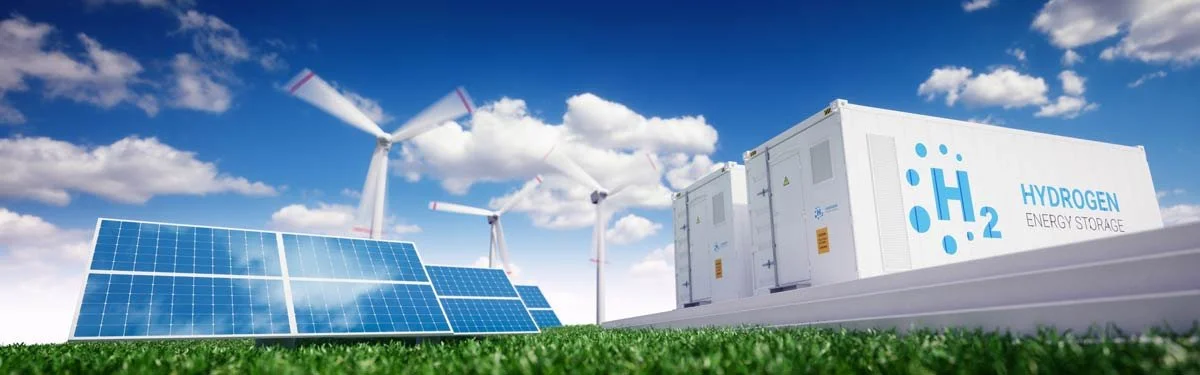
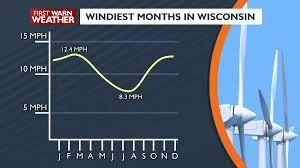
Wind energy development in Wisconsin is entering a significant growth phase in 2026 and beyond. Utilities are advancing large-scale projects, such as Alliant Energy’s $730 million wind farm in Columbia County, which aims to supply clean power to central Wisconsin. Existing facilities like the Badger Hollow Wind Energy Center demonstrate that large utility-scale wind farms can reliably contribute to the state’s energy mix while also supporting local economies through construction jobs and land lease payments. Other proposed projects, such as the Whitetail and High Cliff wind centers, indicate a broader trend of expanding wind capacity across both southwest and east-central Wisconsin.
Regulatory and environmental considerations are playing a major role in shaping this growth. The Wisconsin Department of Natural Resources is updating its rules for “incidental take” permits, which govern the unintentional impacts of turbines on threatened bat species. These measures are designed to ensure that new wind projects meet environmental standards, reflecting a growing emphasis on balancing renewable energy expansion with wildlife protection. At the same time, state utility regulators continue to review project proposals, weighing economic benefits against ecological impacts.
Local control and political dynamics remain significant factors in wind development. Some counties, like Marathon, are advocating for greater local authority over wind and solar projects, citing concerns about land use and community impacts. Opposition has also been a recurring theme in southwest Wisconsin, where residents and local governments have debated projects such as Uplands Wind. These disputes highlight the tension between statewide renewable energy goals and local priorities, which can influence both project timelines and public acceptance of new turbines.
Looking ahead, Wisconsin’s wind sector is expected to grow steadily, but it faces a mixture of opportunities and challenges. Expansion of large projects will likely bring economic benefits and increase the state’s renewable energy output, yet regulatory hurdles, wildlife protections, and political debates may slow deployment in some areas. Overall, wind power in Wisconsin is poised to play a larger role in the state’s energy portfolio, supporting both climate goals and rural economic development while navigating the complexities of local control and environmental compliance.
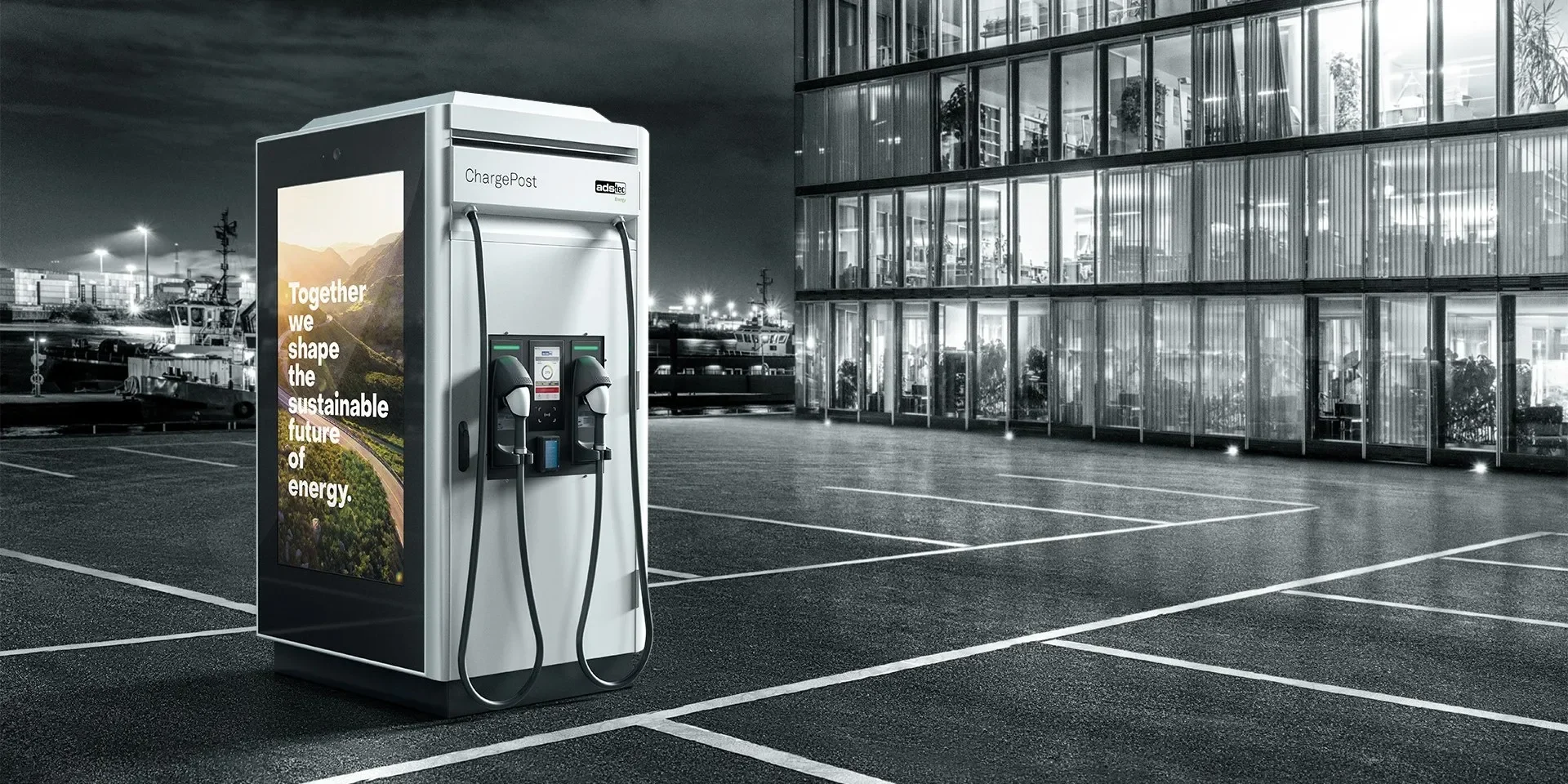
Wisconsin is actively expanding its commercial electric vehicle (EV) charging network through a combination of federal and state programs. Central to this effort is the Wisconsin Electric Vehicle Infrastructure (WEVI) Program, which leverages federal National Electric Vehicle Infrastructure (NEVI) funds to build DC fast charging stations along major highways and designated alternative fuel corridors. The state’s goal is to ensure that EV drivers have reliable access to charging every 50 miles or so, focusing initially on interstates and high-traffic routes. Through multiple funding rounds, Wisconsin has already awarded grants for over 50 sites, with construction and deployment continuing through 2026.
State policies have also evolved to support commercial charging. Recent legislation allows businesses such as gas stations and convenience stores to sell electricity by the kilowatt-hour at public chargers, making it more financially viable for private operators to enter the market. The state applies a small excise tax on electricity sold at public stations, generating revenue for transportation while supporting the EV ecosystem. These legal and financial changes aim to encourage both private investment and public accessibility, ensuring that Wisconsin’s EV infrastructure grows in line with the increasing number of electric vehicles on the road.
Beyond highways and major corridors, Wisconsin is also encouraging local and private initiatives. Cities like Milwaukee and counties such as Dane are developing their own charging networks, often funded through federal grants or public-private partnerships, to fill gaps in urban and rural areas. Large retail chains and charging companies are expanding their presence, offering fast chargers at convenience stores and shopping centers. If you are interested in learning how you can bring EV charging stations to your building or parking lot, please fill out a contact form, and we will get back to you within 24 hours. Looking forward, the state plans continued deployment of fast charging stations, additional grant rounds, and updates to its infrastructure plan, ensuring Wisconsin’s EV network is robust, commercially viable, and accessible well beyond 2026.