Colorado
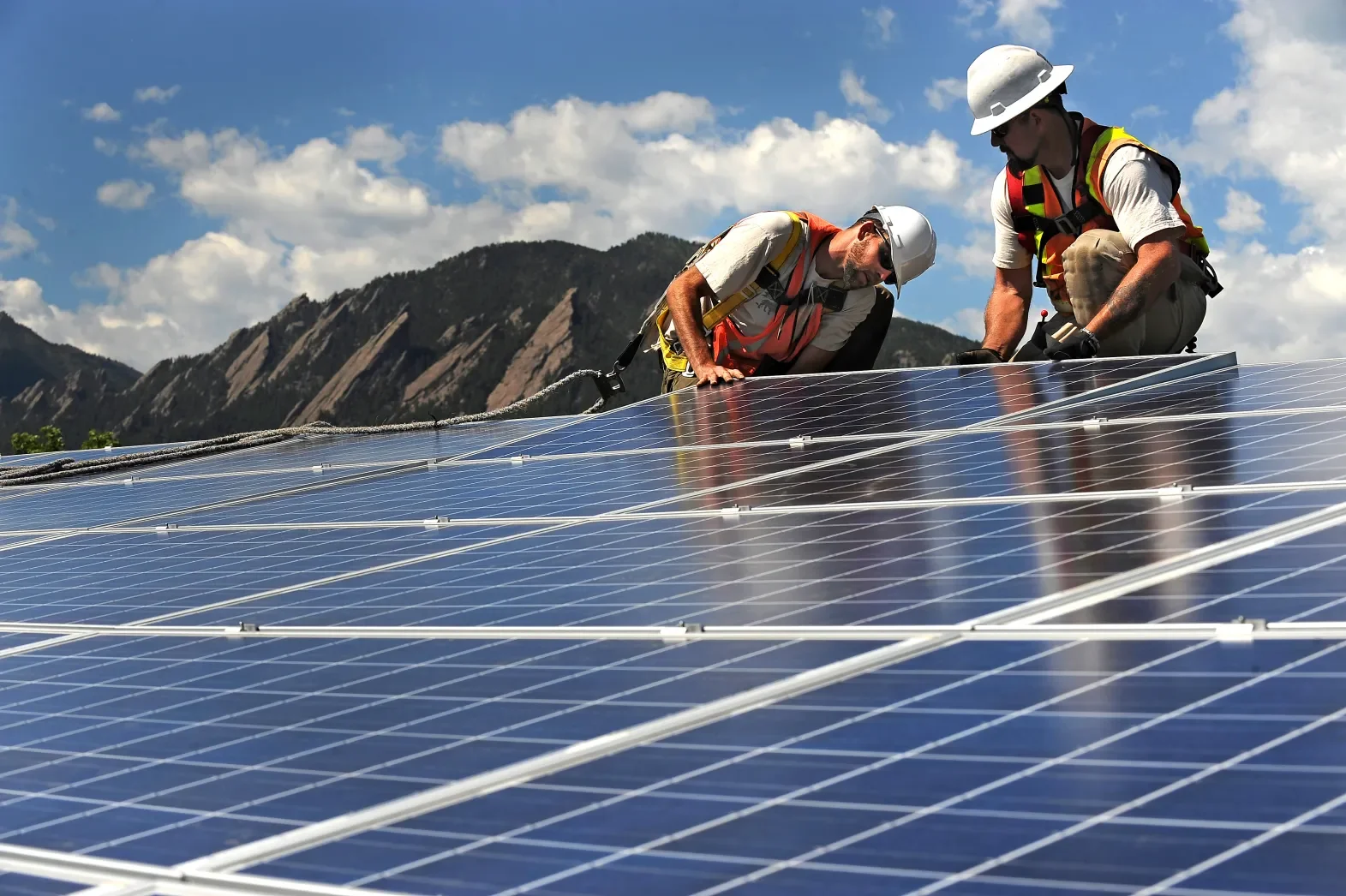
Colorado’s state energy policy actively supports the expansion of solar energy, including commercial-scale and community projects, as part of its broader clean energy transition. A cornerstone is Senate Bill 24-207, which mandates that investor-owned utilities with more than 500,000 customers must make at least 50 MW of “inclusive community solar” capacity available annually starting January 1, 2026, and smaller utilities must offer 3.5 MW each year. These community solar facilities must interconnect to the utility grid, reserve at least 51 % of capacity for income-qualified subscribers, and comply with prevailing wage and apprenticeship rules — measures that encourage equitable deployment and workforce standards in solar development.
In addition to statewide mandates, regulatory agencies like the Colorado Public Utilities Commission (PUC) are integrating solar projects into utility planning. For example, Xcel Energy’s 2026–2027 Renewable Energy Plan includes programs for community solar gardens aligned with SB 24-207 provisions, and the PUC has solicited public comment on expanding solar and paired storage offerings. At the same time, legislation under consideration — such as HB26-1007 — aims to clarify interconnection standards for distributed solar and make it easier for customers (including commercial entities) to connect generation resources to the grid without undue utility approval barriers, which can help smooth commercial solar deployment in 2026 and beyond.
Colorado also leverages financial incentives to make commercial solar more attractive. The state offers sales tax exemptions on eligible solar energy system components for commercial installations, reducing upfront costs for businesses, and developers remain cognizant of federal tax incentives such as the Solar Investment Tax Credit (ITC), which continues to influence project finance strategies through mid-2026. These combined policies reflect a stance that is pro-solar growth, balancing mandated capacity, equitable access, streamlined interconnection rules, and fiscal incentives — while ongoing discussions around utility planning and local permitting continue to shape implementation.
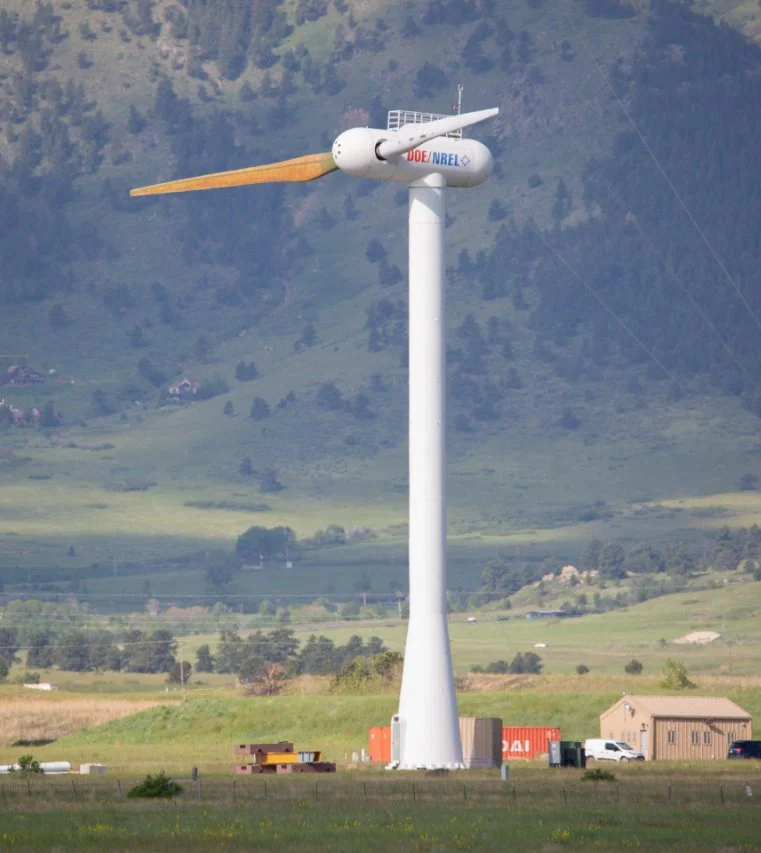
Colorado strongly supports commercial wind energy as part of its broader clean-energy transition. State law and utility planning aim for 100% renewable electricity by 2040, and wind power is a central pillar of that strategy. Large utilities like Xcel Energy continue adding utility-scale wind projects, often paired with battery storage, while the Colorado Public Utilities Commission reviews projects to balance affordability, grid reliability, wildlife protection, and local land-use concerns. Most permitting authority still rests at the county level, so local governments play a key role in siting decisions.
Looking at 2026 and the near term, Colorado remains active in developing new horizontal-axis wind farms, particularly in eastern plains counties where wind resources are strongest and land is available. Transmission capacity and interconnection timelines are key constraints, but state leaders have explored ways to streamline permitting and coordination to keep projects moving. Wind continues to be cost-competitive in the region, making it an important component of utility resource plans through the late 2020s and into the 2030s.
Vertical-axis wind turbines (VAWTs), however, are not currently a major part of Colorado’s commercial wind landscape. The state’s utility-scale buildout overwhelmingly relies on traditional horizontal turbines because of their proven efficiency at large scale. Vertical designs may find niche roles in small, distributed, or demonstration projects—particularly in urban or microgrid settings—but as of 2026 there are no prominent large-scale VAWT farms planned in Colorado. Moving forward, unless vertical technology achieves significant cost or performance breakthroughs, Colorado’s wind expansion will likely continue to focus on conventional commercial turbines.
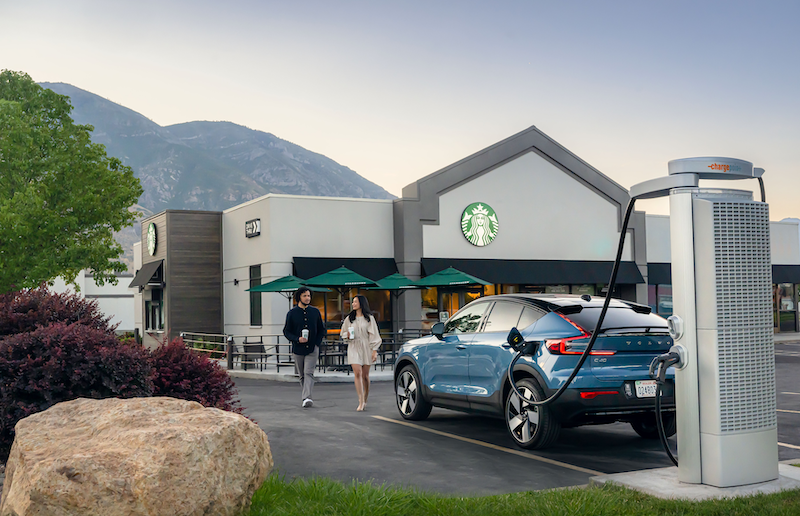
The state strongly supports commercial EV charging station development and is expected to continue that stance through 2026 and beyond. The state has aligned its transportation and climate policies around rapid electrification, leveraging federal funding through the National Electric Vehicle Infrastructure (NEVI) program to build out DC fast charging corridors along major highways. State leadership views public charging as critical economic infrastructure, supporting tourism, freight, fleet electrification, and consumer EV adoption across both urban and rural regions.
Financially, Colorado continues to back commercial projects with grants and incentives administered by the Colorado Energy Office and the Colorado Department of Transportation. Programs such as Charge Ahead Colorado and DCFC Plazas provide cost-sharing for Level 2 and high-powered DC fast charging installations, often prioritizing underserved and disproportionately impacted communities. Utilities also offer rebate programs, but state regulators generally favor private-sector ownership and operation models rather than large utility-owned charging buildouts.
Looking forward, Colorado’s regulatory environment remains favorable to commercial developers. State laws limit local barriers to EV charger installation, incorporate accessibility requirements, and continue to evolve technical and consumer protection standards for public charging. Through 2026 and into the late 2020s, the overall trajectory signals steady expansion, policy stability, and continued public investment—positioning Colorado as one of the more proactive states in supporting commercial EV charging infrastructure.