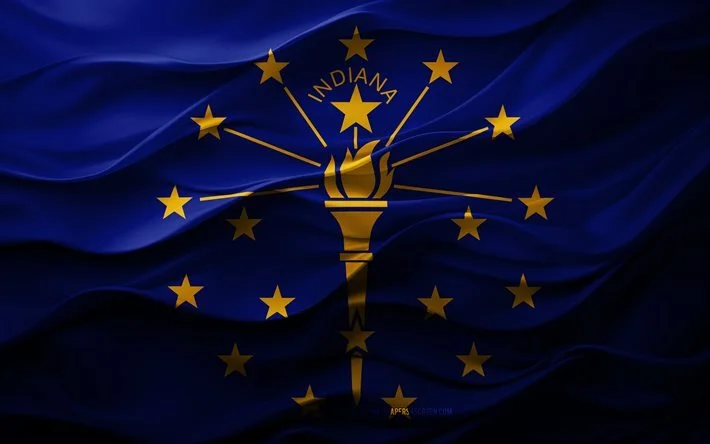
Indiana
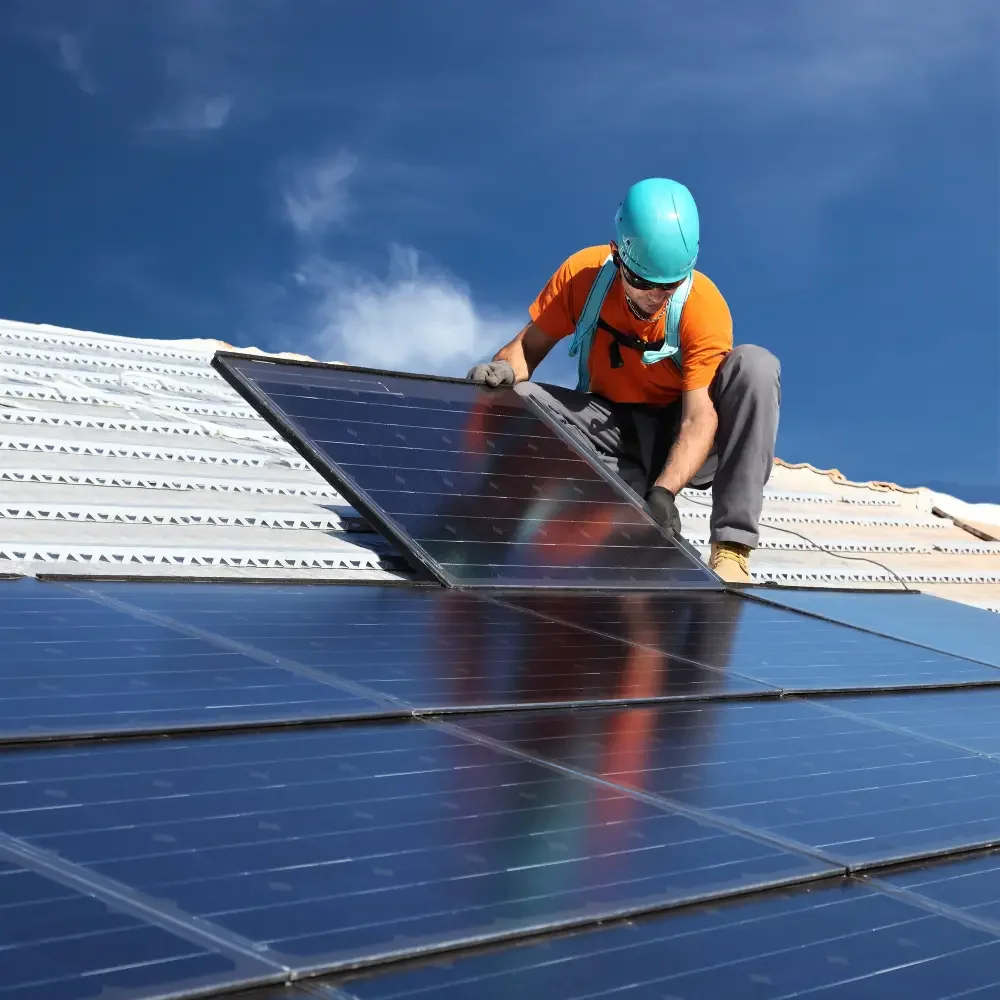
In 2026, Indiana’s policy landscape for commercial solar panel development is evolving but remains mixed. At the state level, the Indiana Office of Energy Development administers the Energy Ready Communities program, which provides guidance and voluntary certification for communities that adopt clear standards for siting and regulating commercial solar energy systems. Certified communities can become designated as “Commercial Solar Energy Ready” and may be eligible for incentive funding tied to generation capacity, helping unify state and local approaches to solar deployment.
At the same time, local control and regulatory hurdles are significant factors shaping the pace and pattern of commercial solar growth. Many counties across the state have implemented moratoriums, restrictive zoning ordinances, or extensive setback and land use conditions for utility‑scale solar projects, often driven by concerns about farmland preservation, property values, and community character. These local ordinances can create uneven opportunities for commercial developers unless they are carefully aligned with broader state guidance. Moreover, new legislation under consideration (such as Senate Bill 54) would require that any zoning overlay district intended for commercial solar must align underlying zoning classifications with uses that already allow those projects, potentially making siting more complex starting in 2026.
From a market and economic perspective, Indiana remains competitive for commercial solar investment when developers and businesses navigate policy effectively. While state‑level incentives beyond the Energy Ready Communities program are limited, federal incentives such as the Solar Investment Tax Credit (ITC) continue to provide strong financial support for commercial solar systems through 2027, reducing net project costs and improving returns. Business owners and developers who engage early with zoning authorities and leverage available financing structures can position projects for long‑term success in both established and emerging energy markets.
All of us here at EAG recognize the strategic potential of commercial solar in Indiana and are committed to fostering renewable energy growth that benefits communities and businesses alike. To CEOs and business owners navigating this dynamic environment, there is value in collaboration — bridging expertise with local commercial solar developers and commercial property development firms can help streamline project planning, address regulatory complexities, and unlock opportunities that drive sustainable growth and competitive advantage in the years ahead.
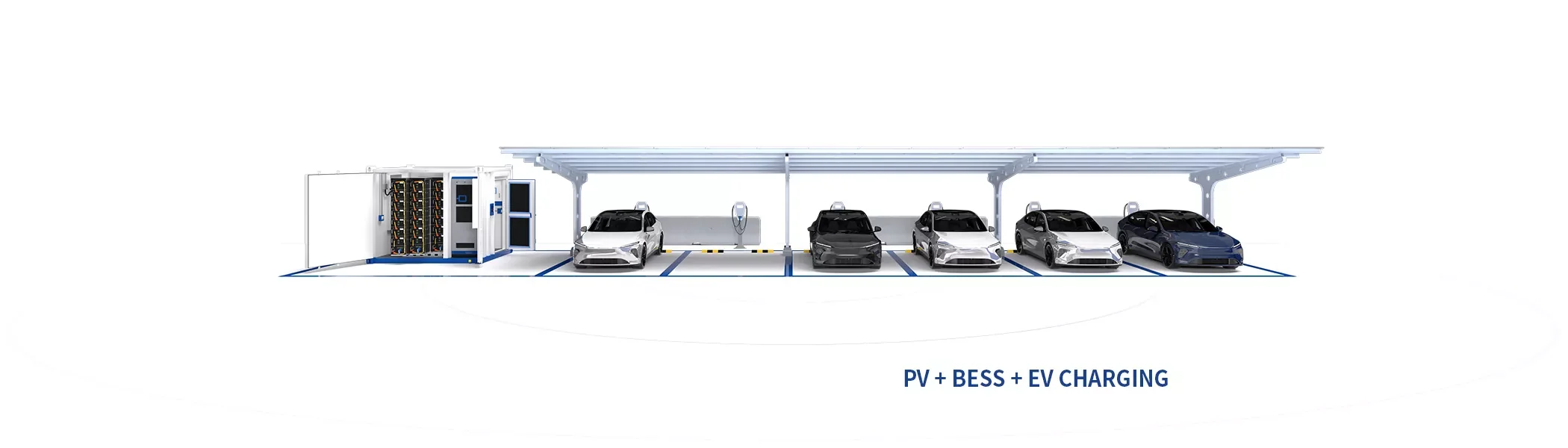
Electric vehicle (EV) charging infrastructure in Indiana is growing as the state works to support broader EV adoption and reduce range anxiety for drivers. A major driver of this expansion is the “Charging the Crossroads” initiative from the Indiana Department of Transportation (INDOT), funded through the federal National Electric Vehicle Infrastructure (NEVI) program. This plan focuses on strategically placing reliable EV chargers—especially fast, direct current (DC) fast chargers—along major interstates and federally designated alternative fuel corridors to ensure EV drivers can travel across the state with confidence. Federal guidance has recently been updated to give Indiana more flexibility in siting these stations, helping speed deployment and improve accessibility statewide.
In addition to the interstate network, Indiana has seen targeted funding and community-level projects to fill charging gaps. For example, the GOEVIN (Go Electric Vehicle Indiana) program has allocated over $3.3 million to support 36 new charging installations—half of them fast-charging sites and half Level 2 chargers—in places like shopping centers, gas stations, parks, and tourist destinations. These projects are designed to shorten the distance between chargers and provide both everyday and long‑distance charging options for EV owners.
Beyond public infrastructure, utilities and local programs in Indiana are encouraging smart and cost‑effective EV charging. AES Indiana, for instance, offers managed and off‑peak charging rewards that incent EV owners to charge during lower‑demand hours and reduce grid stress, plus incentives for enrolling EV chargers at home. Other utilities, such as Indiana Michigan Power, provide rebates for residential and commercial charger installations. These efforts help make charging more affordable and attractive for individuals and businesses considering EV adoption.
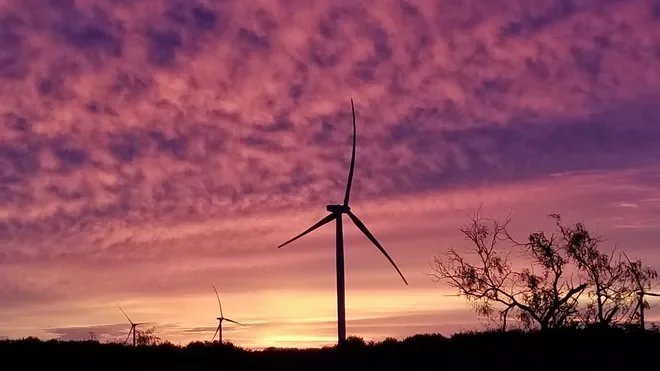
Indiana’s stance on wind farms is shaped by a balance between economic opportunity and local control. The state does not have a strong, unified policy mandating wind development, leaving most siting decisions to counties and townships. Local governments often exercise strict zoning authority, with many counties adopting moratoriums, bans, or restrictive ordinances on commercial wind projects. While state energy leaders encourage renewable development for economic growth and energy diversification, community-level resistance remains a significant factor, especially in rural areas where residents are concerned about property values, visual and noise impacts, and the preservation of farmland.
For farmers and rural communities, wind farms can offer substantial financial benefits. Landowners who host turbines typically receive lease or royalty payments, providing a stable source of income. Counties with wind projects also benefit from increased property tax revenues, which often support schools, roads, and local services. Additionally, wind projects bring construction jobs and significant capital investment, contributing to rural economic development. However, experiences vary, as some communities face concerns about road damage, land use limitations, and changes to the rural character of their areas.
Looking ahead, Indiana’s wind development is likely to continue in a patchwork pattern, with economic interest driving some projects forward while local opposition limits expansion in other areas. The state legislature and energy planners continue to explore ways to balance local autonomy with statewide renewable energy goals, including ensuring fair community participation and mitigating impacts. If you are interested in exploring wind farm opportunities or learning more about potential benefits for your land or community, please fill out a contact form, and one of our wind experts will reach out to you within 24 hours.