

California
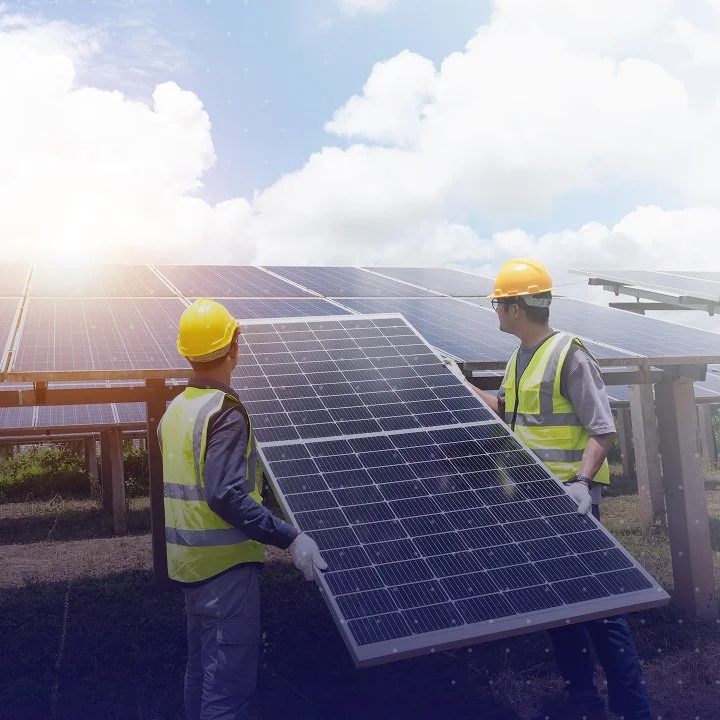
California continues to support commercial solar projects largely through federal incentives and state‑level energy policies that drive renewable deployment. Federally, businesses can still claim a 30 % Investment Tax Credit (ITC) on solar system costs — panels, inverters, racking, and eligible storage — if they meet the prescribed construction and service deadlines, with no dollar cap on the credit amount. This incentive remains a major economic driver for commercial solar investments in the state. At the same time, California maintains an Active Solar Energy System property tax exclusion through December 31, 2026, meaning the added value from solar systems doesn’t increase property tax assessments, though that exclusion expires in 2027 and could impact future commercial project economics.
California’s regulatory environment has shifted the way solar generation interacts with the grid, affecting how commercial projects are compensated for exported electricity. Traditional net metering programs, where excess generation was credited at full retail rates, have been largely closed, and new projects connect under the Net Billing Tariff (NBT) adopted in April 2023. Under NBT, excess solar output exported to the grid earns credits based on the avoided cost value of energy rather than retail rates, which is typically lower and encourages pairing solar with battery storage to capture more value during high‑cost periods. The CPUC is also finalizing updates to its Community Renewable Energy (CRE) Program, which will allow commercial entities and other ratepayers to participate in community solar without shifting costs to nonparticipants, with key program details due by January 1, 2026.
Looking forward, while California’s broader energy policies strongly favor decarbonization and renewable energy growth, the transition in incentive structures and regulatory frameworks introduces challenges that commercial developers must navigate. The shift from retail net metering to net billing alters project revenue models, particularly for export‑focused systems, making battery integration more economically important. Additionally, policy changes such as the eventual end of the property tax exclusion after 2026 mean developers must factor in evolving tax landscapes when planning future projects. Combined with ambitious state renewable goals and new community solar pathways, these trends reflect a state moving toward more grid‑integrated, storage‑enabled, and economically optimized commercial solar deployment in the years ahead.
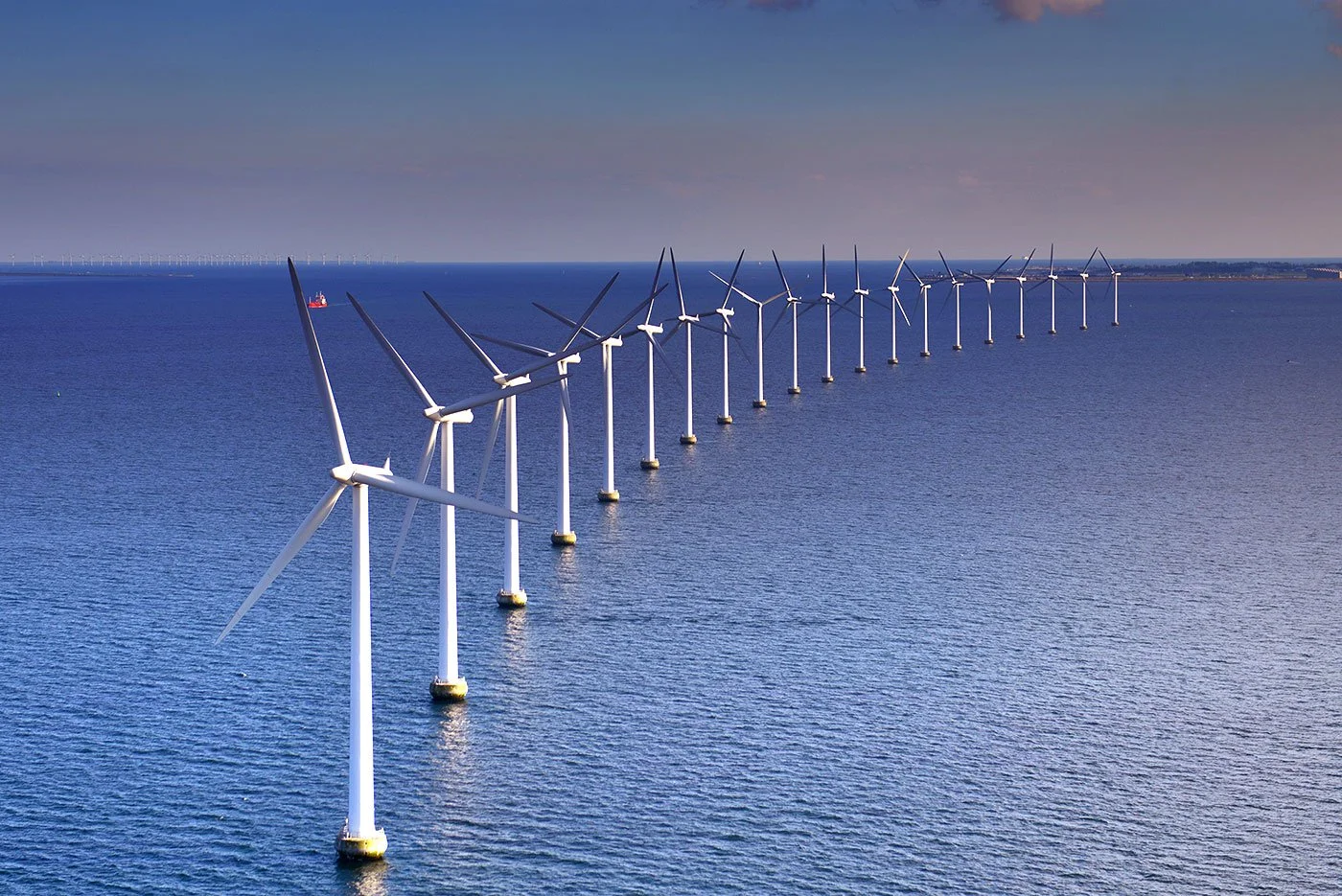
The state’s current commercial wind energy landscape reflects both historic onshore presence and rapidly expanding future plans: as of 2025–2026 the state has roughly 6.3 GW of installed onshore wind capacity, a modest growth from prior years, and incremental additions of ~95–116 MW annually, while the rest of the U.S. adds far more wind capacity each year. This onshore infrastructure — including legacy sites like the San Gorgonio Pass (about 656 MW from 667 turbines) — plays a modest role in the grid compared with solar and storage, and has remained relatively stagnant in growth for over a decade. Despite supportive policy language, local siting barriers, environmental reviews, and land‑use concerns continue to influence approvals for new commercial onshore wind projects.
Looking ahead, California is aggressively pursuing offshore wind, especially floating turbine technology suited to its deep coastal waters. The state has officially adopted a strategic plan targeting up to 25 GW of offshore wind capacity by 2045, enough to power millions of homes, and grid and procurement planning is underway to integrate this resource into the system. The California Public Utilities Commission has outlined procurement pathways for roughly 7.6 GW of offshore wind by the mid‑2030s, and transmission plans include dedicated infrastructure upgrades to bring offshore power onshore. These initiatives signal that floating offshore wind turbines are a major component of the state’s clean energy future, complementing solar and batteries to meet its 100 % clean electricity by 2045 goals.
Emerging technologies like vertical‑axis wind turbines (VAWTs) are also gaining attention in California, though they remain in early commercial stages rather than mainstream deployment. Companies such as Wind Harvest have advanced VAWT designs to a high readiness level and plan initial commercial arrays to break ground in 2026, and studies suggest utility‑scale VAWTs could significantly increase energy yield when paired with conventional wind projects, especially by capturing wind at lower elevations. While VAWTs offer advantages like smaller footprints and potentially improved annual energy production, they are not yet widely deployed commercially in California, and most large‑scale wind generation activity is focused on traditional horizontal turbines and the larger offshore wind market.
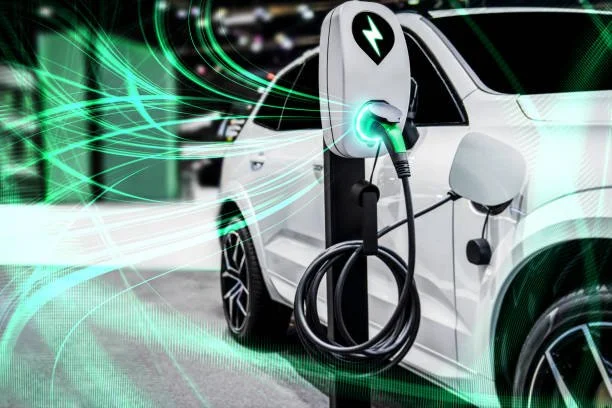
As of early 2026, California’s stance on commercial electric vehicle (EV) charging station projects remains actively supportive and forward‑looking, with the state aggressively expanding charging infrastructure to meet growing zero‑emission vehicle (ZEV) demand and climate goals. The state continues to invest significant public funds through agencies like the California Energy Commission (CEC), which has approved multi‑hundred‑million‑dollar plans to accelerate deployment of light‑, medium‑, and heavy‑duty EV chargers, with a portion of those funds specifically aimed at benefiting disadvantaged and low‑income communities as part of broader climate investment commitments. California’s public charging network has grown rapidly in recent years; by late 2025 there were over 200,000 publicly accessible and shared EV charging ports statewide, surpassing the number of gasoline nozzles and illustrating the state’s commitment to ubiquitous charging access.
In addition to direct infrastructure funding, California offers incentive programs that substantially offset the costs of installing commercial charging stations. For example, state programs have been launched that offer up to 100 % of eligible installation costs for DC fast charging at publicly accessible commercial sites, with graduated rebate amounts based on charger capacity and readiness criteria. The state also participates in federal programs such as the National Electric Vehicle Infrastructure (NEVI) Formula Program, which directs funding toward highway corridors to ensure a reliable network of fast chargers along major routes, and California’s deployment plan coordinates these funds with state goals.
Beyond funding, California’s planning framework and regulatory environment continue to encourage growth by prioritizing “shovel‑ready” projects, implementing standards for charger reliability and reporting, and integrating EV infrastructure needs into broader transportation and energy planning. The state has also undertaken assessments of long‑term charging needs—projecting that support for millions of EVs by 2030 and 2035 will require a substantial increase in both public and shared private charging infrastructure.
Overall, California’s policy stance remains highly supportive of commercial EV charging station development: the state is directing significant financial resources, aligning with federal programs, refining regulatory and planning processes to reduce barriers, and targeting equitable access across urban, rural, and disadvantaged areas. This reflects California’s overarching goal of enabling widespread EV adoption and meeting its ZEV and climate commitments well into the remainder of the decade.