Alabama
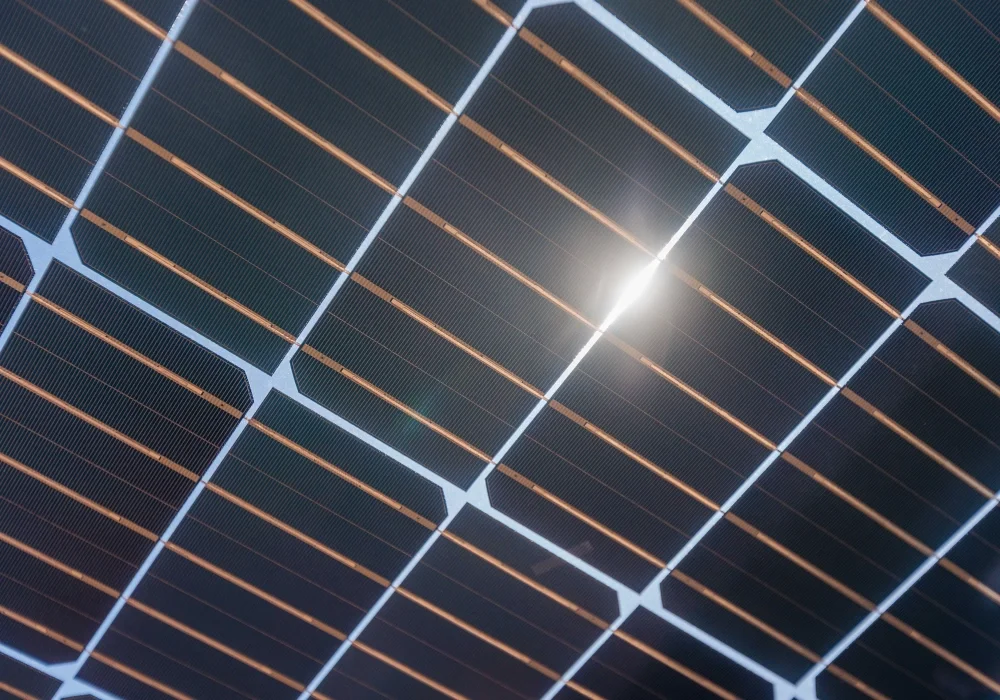
As of early 2026, Alabama’s stance on commercial solar panel projects reflects modest growth in deployment paired with a cautious regulatory environment. According to the most recent industry data, the state has about 862 MW of total solar capacity installed, ranking it 39th nationally, with projections for roughly 1,300 MW of additional capacity over the next five years — enough to power tens of thousands of homes and support nearly 800 solar jobs across 40 companies. Solar accounts for less than 1 % of Alabama’s electricity generation, underscoring the relatively limited scale compared with other Southeastern states, but there is measurable momentum in investment and deployment.
In terms of policy and regulatory framework, Alabama does not have a renewable portfolio standard, and the Alabama Public Service Commission (PSC) retains primary authority over utility interconnection and rates for commercial projects. Historically, the state’s largest utility has pursued policies that critics argue have disincentivized independent solar development — including reduced compensation for third‑party generation and integration charges — although some fees were recently discontinued following regulatory filings. These utilities control the terms under which solar generators can sell power to the grid, and despite occasional PSC approvals of large projects such as 80 MW and 180 MW facilities tied to corporate clients, regulatory conditions remain a key determinant of project viability.
On the legislative and incentive side, Alabama enacted the “Powering Growth Act” in 2025, establishing an Alabama Energy Infrastructure Bank and other mechanisms intended to streamline permitting and support energy infrastructure financing, although the law is broadly aimed at all energy infrastructure rather than commercial solar specifically. The state itself does not offer significant solar tax credits, relying instead on limited equipment and property tax exemptions, while solar developers often depend on federal incentives such as the Investment Tax Credit. Commercial projects like the planned 130 MW Black Bear solar facility under a long‑term power purchase agreement demonstrate that commercially viable solar development can proceed, but project economics in Alabama continue to be shaped by utility rate design and policy decisions at the PSC level.
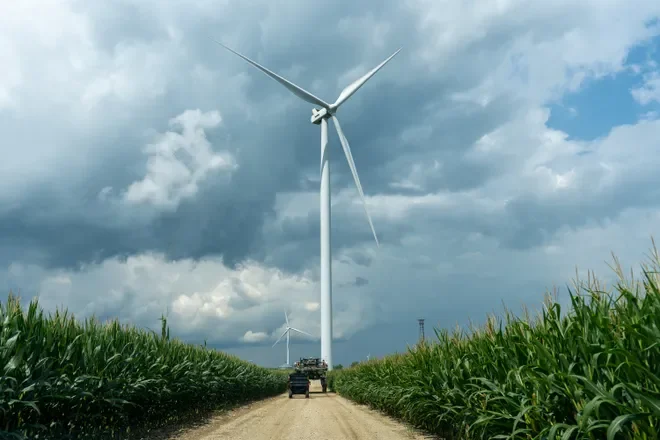
As of 2026, Alabama does not have utility‑scale wind turbine projects or state mandates requiring wind energy deployment. According to wind energy capacity data from the Department of Energy’s WINDExchange program and the American Clean Power Association, Alabama’s installed wind capacity remains at 0 MW, and there are no wind projects under construction in the state’s generator interconnection queue — despite nearly 10 GW of total renewable (mainly solar and battery) projects being considered for future development. This means wind contributes 0% of Alabama’s grid power and is essentially absent from the state’s generation portfolio.
Alabama’s state energy policy also lacks incentives or mandates for wind development. There is no renewable portfolio standard requiring utilities to source a specific share of power from wind or other renewables, and the regulatory framework gives local governments zoning authority over wind turbine siting, allowing counties to regulate or even prohibit wind energy facilities through local ordinances. These local zoning codes include provisions on permitting, setbacks, noise, and placement for wind turbines and wind farms in unincorporated areas of counties like Baldwin and DeKalb.
Utilities like Alabama Power focus their future planning more on solar, hybrid, and energy storage projects than wind, and their formal requests for proposals include these technologies for meeting capacity needs rather than standalone wind generation. Meanwhile, renewable generation currently in service — such as solar and hydropower — and existing purchase agreements for out‑of‑state wind energy (e.g., wind purchased from Kansas and Oklahoma) do not reflect local wind turbine build‑outs. In sum, data shows Alabama’s stance in 2026 remains neutral to cautious on wind turbines, with little wind capacity and no formal state‑level policy driving local wind project growth.
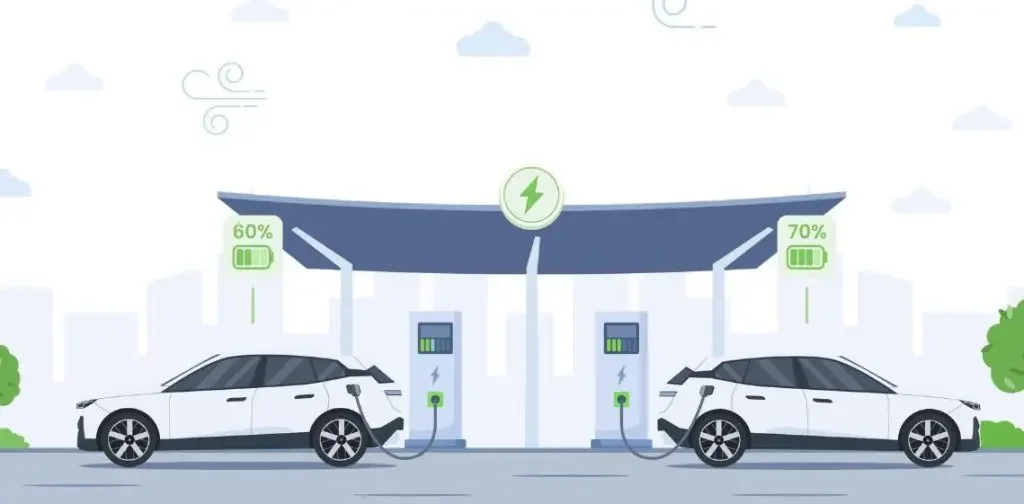
Alabama’s approach to commercial electric‑vehicle (EV) charging infrastructure in 2026 is pragmatic and increasingly attractive for investors and developers: the state has been methodically boosting its network with both state and federal funds while actively encouraging private sector participation. According to the latest datasets, Alabama now hosts 657 charging stations with 2,135 total ports, including 877 DC fast chargers, a significant expansion that supports both urban drivers and long‑distance travelers across places like Birmingham, Huntsville, and Mobile. This growth shows market demand and a strategic shift toward EV readiness — a trend that forward‑looking businesses can ride to capture emerging EV traffic and customer loyalty.
At the heart of Alabama’s strategy is targeted state funding designed to stimulate commercial deployment where federal programs may not reach. In January 2025, for example, the Alabama Department of Economic and Community Affairs (ADECA) awarded $2.26 million in state‑funded grants to install multiple new charging stations at hotels and travel centers in Huntsville, Hoover, Tuscaloosa, and Mobile — demonstrating the state’s commitment to practical, high‑visibility locations that are ideal for commercial EV service businesses. These grants are explicitly intended to attract visitors, increase dwell time, and enhance local economies — a powerful sales proposition for businesses seeking to draw EV drivers to their sites.
On the federal side, Alabama has an approved NEVI (National Electric Vehicle Infrastructure) plan that positions the state to receive approximately $79.3 million over the next five years to build out fast chargers along designated highway corridors, with ADECA administering competitive grant opportunities for developers and service providers. This blend of federal and state investment creates a dual‑layered funding ecosystem that reduces financial risk for commercial ventures and accelerates deployment in key travel and commerce corridors — a compelling backdrop for companies seeking to scale EV charging offerings or integrate them into broader hospitality, retail, or transportation services.
For companies considering entry or expansion in Alabama’s EV charging market, there’s an additional regulatory advantage: the state’s infrastructure programs are designed to support projects outside traditional utility frameworks, making it easier for private firms to own and operate charging assets with fewer barriers. Coupled with the state’s continued push to fill charging deserts and the growing number of EVs on Alabama roads, stakeholders can capitalize on a network that is both expanding and increasingly diversified. In short, Alabama’s blend of robust funding, strategic planning, and market growth makes it an enticing environment for commercial EV charging investment in 2026 and beyond.