Micro Grids

The development of microgrids represents a strategic infrastructure investment that drives both energy resilience and economic growth. As localized energy systems capable of operating independently or in coordination with the central grid, microgrids require advanced planning, precision engineering, and multidisciplinary collaboration. From feasibility assessments and system design to integration and commissioning, these projects generate strong demand for electrical engineers, power systems specialists, civil engineers, and digital controls experts. Industry leaders such as Schneider Electric, Siemens, and Tesla continue to push innovation in distributed energy technologies, reinforcing the need for highly skilled technical professionals capable of delivering sophisticated, resilient energy solutions.
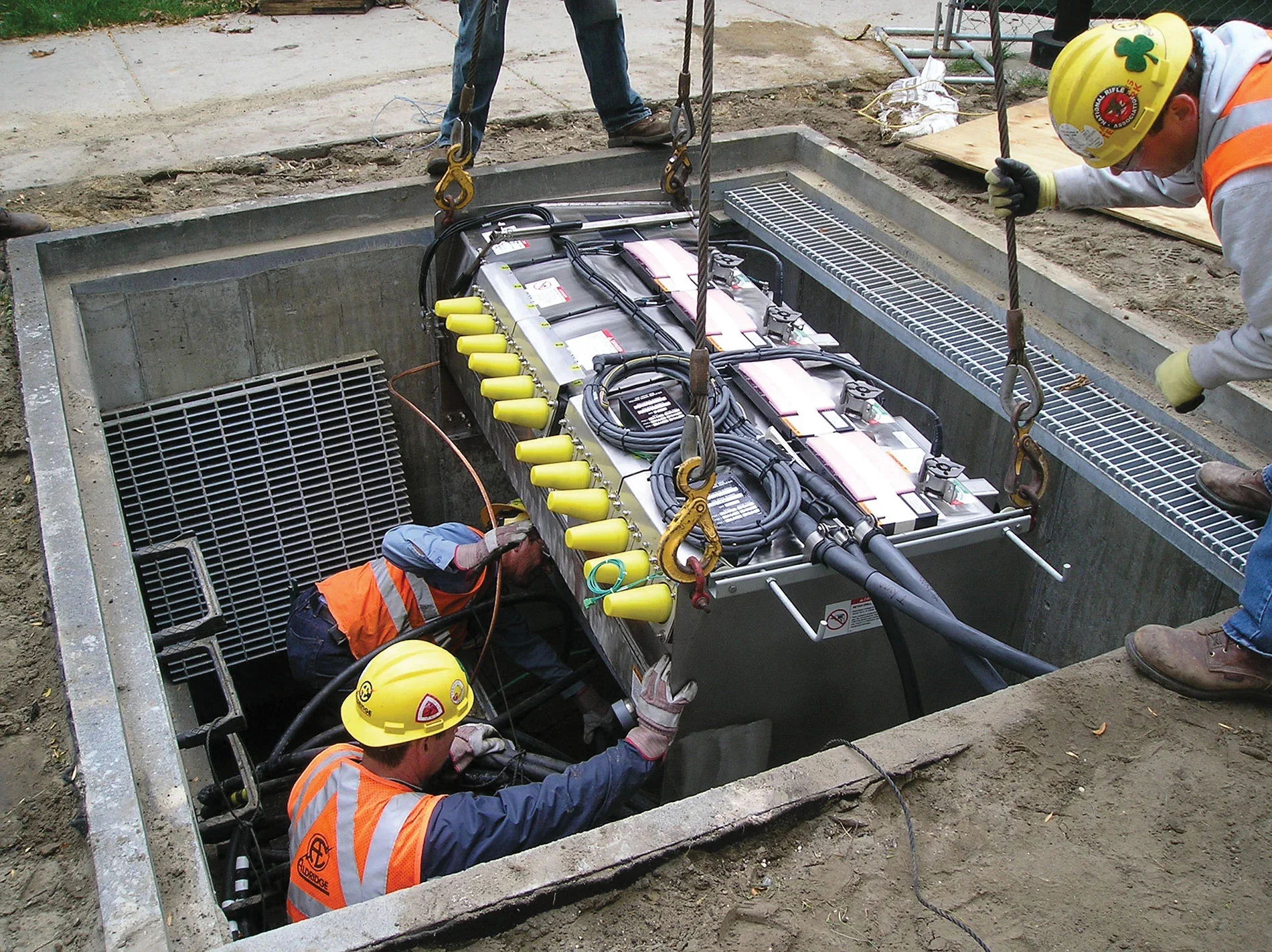
Equally impactful is the immediate employment surge created during the construction phase. Microgrid deployment activates a broad range of skilled trades, including electricians, heavy equipment operators, line workers, concrete specialists, solar installers, and project supervisors. These projects often span many months and can employ substantial local labor forces, providing a meaningful boost to regional construction economies. Unlike conventional infrastructure initiatives that conclude once built, microgrids also establish permanent operational roles—such as system monitoring technicians, maintenance personnel, and energy performance analysts—ensuring long-term workforce stability and continuous technical engagement within the community.
Beyond direct job creation, microgrids enhance a community’s economic competitiveness by delivering reliable, cost-stable power—an essential factor for attracting manufacturers, healthcare institutions, research facilities, and data-driven enterprises. Cities such as Houston and San Diego illustrate how resilient energy infrastructure strengthens long-term economic positioning, particularly in regions vulnerable to grid disruptions. By aligning infrastructure modernization with workforce development, microgrid investment becomes more than an energy upgrade; it becomes a catalyst for construction job expansion, advanced engineering careers, and sustained local prosperity.
The development of micro grids represents one of the most transformative advancements in modern energy infrastructure. As climate volatility intensifies and global energy demand accelerates, centralized power systems are increasingly strained by outages, transmission losses, and cyber vulnerabilities. Microgrids offer a decentralized, intelligent solution—integrating distributed energy resources such as solar, wind, battery storage, and advanced controls into localized networks that can operate independently or in coordination with the main grid. Organizations like U.S. Department of Energy have identified microgrids as a critical pillar of future grid modernization strategies, emphasizing their ability to enhance resilience, reliability, and energy security in both urban and remote environments.
Beyond resilience, micro grids are powerful enablers of innovation and sustainability. They accelerate renewable integration, reduce carbon footprints, and provide real-time optimization through advanced digital controls and AI-driven load management. Corporations, military installations, universities, and municipalities are leveraging microgrids to stabilize energy costs while meeting aggressive ESG and decarbonization targets. Technology leaders such as Schneider Electric and Siemens are investing heavily in intelligent grid architecture, signaling that decentralized energy ecosystems are no longer experimental—they are foundational to the next era of infrastructure. The competitive advantage now lies not in whether to adopt microgrids, but in how quickly and strategically organizations can deploy them.
The urgency to deepen expertise in microgrid development cannot be overstated. Energy disruption events are increasing in frequency, regulatory landscapes are evolving, and capital is flowing toward resilient infrastructure at unprecedented levels. Leaders who fail to understand microgrid economics, policy frameworks, and technical integration risk falling behind in a rapidly electrifying world. Conversely, those who engage now—through research, pilot projects, and strategic partnerships—position themselves at the forefront of a resilient energy revolution. The question is no longer if microgrids will reshape the energy landscape, but who will be prepared to lead when they do.