South Carolina
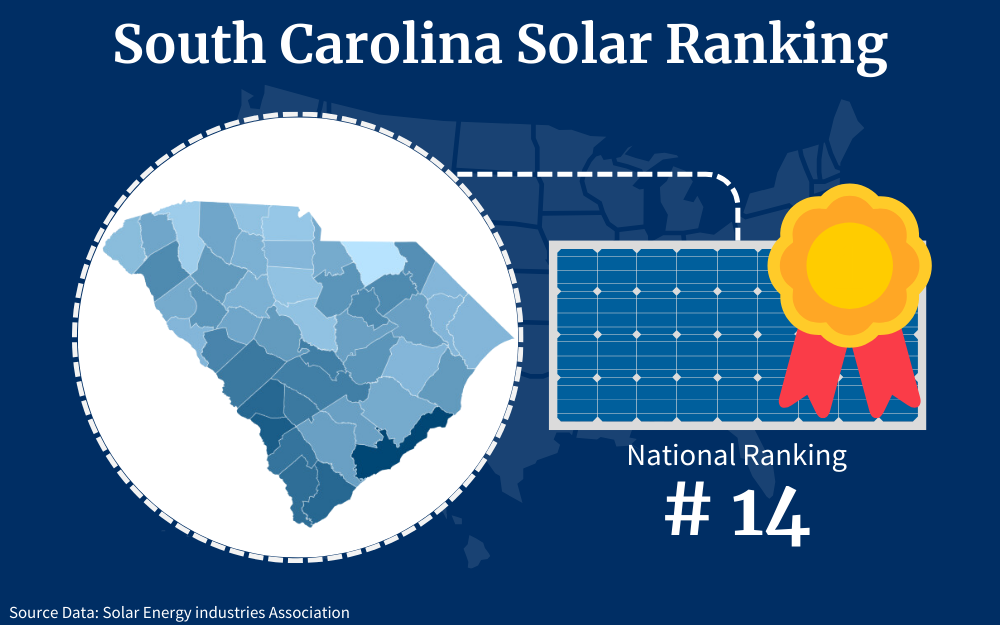
South Carolina has developed a strong and steadily growing solar market over the past decade. As of early 2025, the state has approximately 2.7 gigawatts (GW) of installed solar capacity, generating roughly 3–4% of total in-state electricity. That’s enough solar energy to power more than 300,000 homes, representing over $3 billion in cumulative investment statewide. Policy changes beginning in 2014 and expanded in 2019 helped open the market to broader participation, accelerating adoption across both residential and commercial sectors.
Residential solar has expanded significantly, with tens of thousands of rooftop systems installed statewide. Growth has been driven by net metering policies and the federal Investment Tax Credit (ITC), which reduces upfront installation costs. In addition, more than $100 million in federal funding has recently been directed toward expanding residential and community solar access, including programs designed to support low-income households and workforce development. The solar industry now supports approximately 3,000–3,500 jobs across the state, contributing meaningful economic impact alongside energy savings for homeowners.
Commercial and utility-scale projects account for the majority of installed solar capacity in South Carolina, with over 100 large-scale solar farms currently operating. Businesses, manufacturers, and utilities continue to invest in solar to stabilize energy costs and meet sustainability goals. Projections indicate that statewide solar capacity could more than double by 2035, generating billions in additional economic activity and thousands of construction jobs. If you are interested in exploring all of your options for commercial and/or residential solar, please fill out a contact form and one of our specialists will contact you within 24 hours.
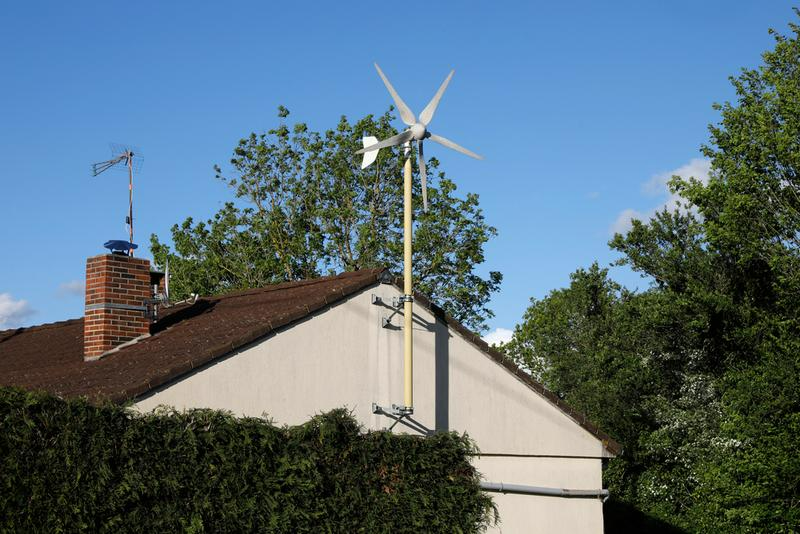
Over the past five years, wind turbine development policy in South Carolina has been defined more by strategic planning and regulatory restructuring than by active project deployment. A pivotal development was the enactment of the South Carolina Energy Freedom Act in 2019, which overhauled the state’s energy regulatory framework in the aftermath of the V.C. Summer nuclear project cancellation. Although not wind-specific, the legislation requires investor-owned utilities to submit comprehensive integrated resource plans to the Public Service Commission, thereby ensuring that wind energy—both onshore and offshore—is evaluated alongside other generation resources. The Act also enhanced competitive procurement processes, creating additional opportunities for renewable energy developers and establishing a clearer pathway for potential wind projects.
In 2022, the state further demonstrated interest in the offshore wind sector through the passage of House Bill 4831, which directed the Department of Commerce to conduct a detailed study of offshore wind supply chain opportunities and associated economic development benefits. This initiative underscored a strategic emphasis on positioning South Carolina as a participant in the offshore wind manufacturing and logistics market, particularly through port infrastructure and related industries, rather than immediately advancing in-state turbine installations. Despite these efforts, the state currently has no operating utility-scale wind facilities, and onshore development remains constrained by comparatively modest wind resources and local siting considerations.
Prospects for offshore wind development remain closely tied to federal leasing and permitting processes administered by the Bureau of Ocean Energy Management. While federal agencies have conducted assessments of offshore wind potential along South Carolina’s coastline, no commercial-scale projects have progressed to the construction phase. In summary, South Carolina has established a policy environment that allows for the consideration of wind energy within broader renewable energy planning and has explored its economic potential, yet it has not adopted aggressive deployment mandates nor experienced significant wind turbine development to date.
Organizations and property owners interested in integrating wind energy solutions into commercial facilities or residential properties are encouraged to complete our contact form. A qualified wind energy specialist will promptly follow up to discuss project feasibility and next steps.
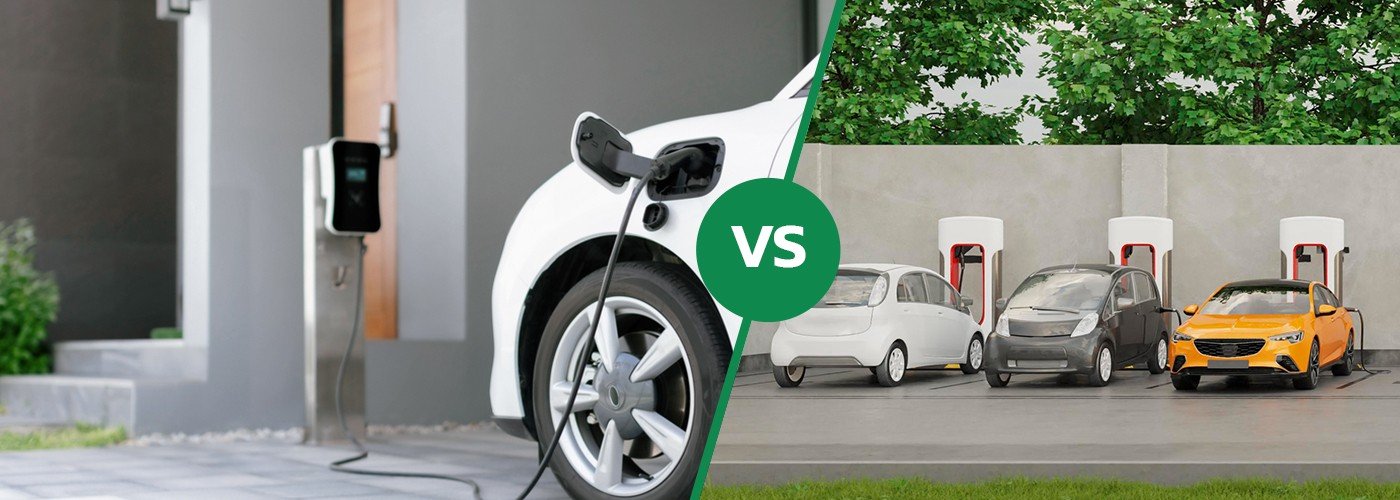
Electric vehicles (EVs) are rapidly gaining popularity, and South Carolina is seeing steady growth in EV adoption. By installing EV charging stations in your parking lot, your business can attract environmentally conscious customers and employees who value convenient charging options. Providing this service positions your company as forward-thinking, customer-friendly, and aligned with the shift toward sustainable transportation.
EV charging stations are more than a convenience—they are a strategic investment that enhances your brand reputation and differentiates your business from competitors. They can increase foot traffic, generate incremental revenue through usage fees, and signal your commitment to sustainability. South Carolina also offers grants, tax credits, and utility incentives to reduce installation costs, making now the perfect time to act.
Installing charging stations today ensures your business is future-ready as the EV market continues to expand. With end-to-end solutions—from site assessment and installation to maintenance and app integration—you can provide a seamless, reliable experience for EV drivers. By embracing EV charging infrastructure, your business not only meets current demand but also positions itself as a hub of innovation, convenience, and green leadership.