

Floating Solar Farms
Floating solar projects—also known as floating photovoltaic (FPV) systems—offer several strategic advantages, particularly in regions where land availability is constrained. One of the primary benefits is efficient land use. By installing solar arrays on reservoirs, lakes, or other water bodies, developers avoid competing with agricultural, commercial, or residential land demands. This is especially valuable in densely populated or land-scarce areas, where ground-mounted solar farms may face permitting challenges or high land acquisition costs. Utilizing underused water surfaces enables governments and utilities to expand renewable energy capacity without compromising valuable terrestrial resources.
A second key advantage is improved system performance due to the natural cooling effect of water. Solar panels typically operate more efficiently at lower temperatures, and floating systems benefit from the evaporative cooling provided by the underlying water body. This can result in higher energy yields compared to traditional ground-mounted systems, particularly in hot climates. Additionally, floating structures can reduce water evaporation from reservoirs, which is a significant co-benefit in drought-prone regions. By limiting direct sunlight exposure on the water surface, floating solar installations help conserve water while simultaneously generating clean electricity.
Finally, floating solar projects can integrate seamlessly with existing hydropower infrastructure, creating hybrid renewable energy systems. When deployed on hydropower reservoirs, floating solar can leverage existing transmission lines and grid interconnection points, reducing overall infrastructure costs and accelerating project timelines. The complementary generation profiles of solar and hydropower can also enhance grid stability and optimize energy dispatch. Together, these factors make floating solar a compelling solution for utilities and policymakers seeking scalable, cost-effective, and sustainable energy expansion strategies.
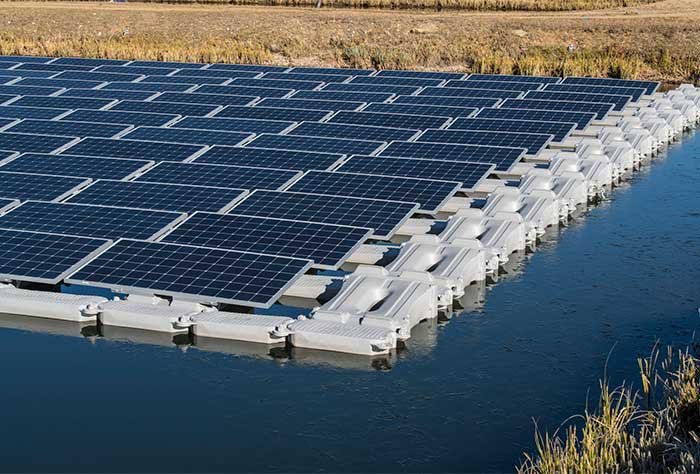
Floating solar projects, also known as floating photovoltaic (FPV) systems, present several technical challenges that can complicate development and long-term operations. One major drawback is the higher upfront capital cost compared to traditional ground-mounted solar installations. Specialized floating structures, anchoring systems, corrosion-resistant materials, and marine-grade electrical components significantly increase procurement and installation expenses. Additionally, engineering complexity—particularly in reservoirs, lakes, or coastal environments—requires detailed hydrological and geotechnical assessments, which further drive up development costs and timelines.
Another key concern involves environmental and ecological impacts. While floating solar can reduce water evaporation and limit algal growth in some cases, it may also disrupt aquatic ecosystems if not carefully designed. Shading large portions of a water body can alter temperature stratification, dissolved oxygen levels, and natural light penetration, potentially affecting fish and plant life. Construction and maintenance activities may also disturb sediment or introduce contaminants, especially in sensitive or protected environments, leading to regulatory scrutiny and permitting challenges.
Finally, operations and maintenance (O&M) considerations present ongoing risks. Floating solar installations are exposed to harsh environmental conditions such as high humidity, wave action, fluctuating water levels, storms, and potential biofouling. These factors can accelerate wear and corrosion, increasing maintenance frequency and lifecycle costs. Accessing equipment for inspection or repair is often more complex and costly than on land-based systems, requiring specialized safety procedures and equipment. Over time, these operational challenges can affect system reliability and overall project returns if not proactively managed.