

Wyoming
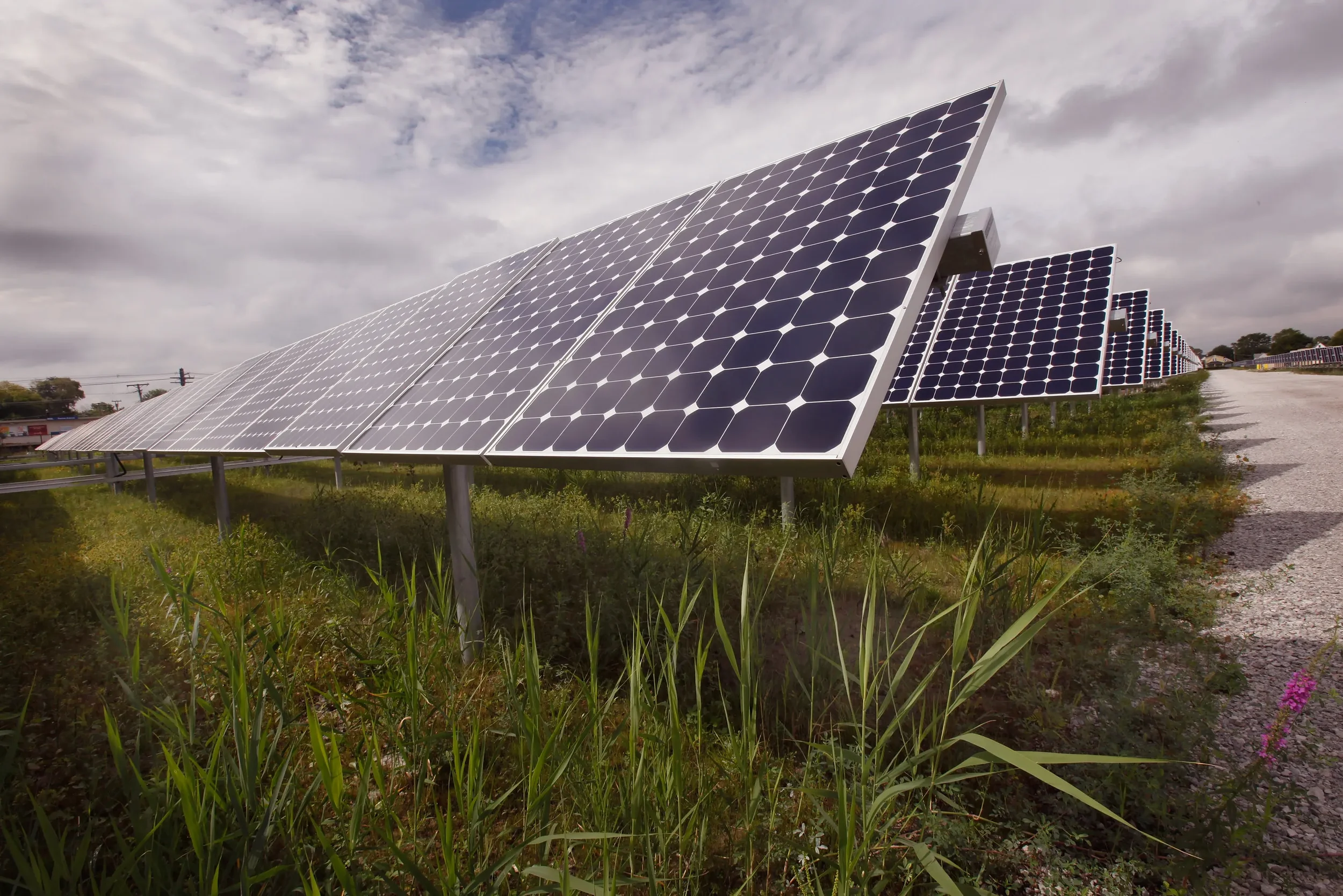
Wyoming is seeing steady growth in commercial and utility-scale solar, making now an opportune time for business owners to explore the possibilities. While the state’s energy policy traditionally favors fossil fuels, large projects like the Cowboy Solar project signal that solar development is viable and expanding. Incentives at the state level remain limited, but existing net metering programs allow businesses to receive credits for excess energy generation, helping offset electricity costs. Understanding how these programs and potential future policy changes affect your bottom line is key to making an informed decision.
For residential or small-scale commercial solar systems, the landscape is more modest. Federal tax credits for residential solar installations expired at the end of 2025, and Wyoming offers limited additional incentives. However, net metering up to 25 kW still provides a way to earn credits from the energy you produce. Businesses considering rooftop or small-scale solar installations should carefully assess both current utility regulations and long-term energy cost savings to determine whether solar makes sense for their operations.
If you’re a business owner in Wyoming who wants to explore all the possibilities solar energy has to offer, we’re here to help. Fill out our contact form, and one of our very knowledgeable professionals will get back to you within 24 hours to discuss the best options for your business. Whether it’s a large utility-scale project or a smaller commercial installation, we can help you navigate incentives, regulations, and savings opportunities to make solar work for you.
Wyoming sits on some of the richest wind resources in the United States, making it a prime location for commercial wind development. Over 3,000 MW of installed capacity already highlights the state’s potential, with massive projects like the Chokecherry and Sierra Madre Wind Energy Project underway, set to be among the largest in North America. The state’s natural geography and high wind speeds create opportunities for consistent, profitable energy production that can compete nationally. For investors, this is a chance to tap into a growing renewable energy market backed by strong environmental demand and federal incentives.
The state government actively supports wind energy through programs like the Energy Matching Funds, which provide financial assistance to developers and investors, reducing upfront costs and mitigating risk. Commercial wind projects undergo a permitting process involving local, state, and federal oversight, ensuring that development aligns with land use, wildlife protection, and environmental standards. This regulatory framework provides stability for long-term investment while balancing sustainability goals, making Wyoming an attractive, structured market for renewable energy ventures.
At the same time, Wyoming’s political landscape introduces complexity. Some legislators have proposed moratoriums or restrictions on large wind projects, citing concerns over aesthetics, wildlife, and impacts on the state’s traditional fossil fuel economy. Public debates and legal challenges can occasionally delay projects, but these hurdles often emphasize the value of careful site selection, community engagement, and strategic planning. Investors and developers who navigate these challenges thoughtfully can achieve not only strong returns but also positive community relationships, which can safeguard long-term project success.
For farmers and investors, Wyoming’s wind opportunities are a win-win. Landowners can secure steady lease income from wind developers, often far exceeding traditional crop or grazing revenue, while investors can capitalize on a growing renewable energy market with federal and state support. The combination of abundant wind resources, supportive incentives, and rising demand for clean energy makes commercial wind in Wyoming a smart, profitable, and forward-thinking choice. By working with us, you can turn your land and investments into lasting energy projects—creating real revenue and making dreams into reality.
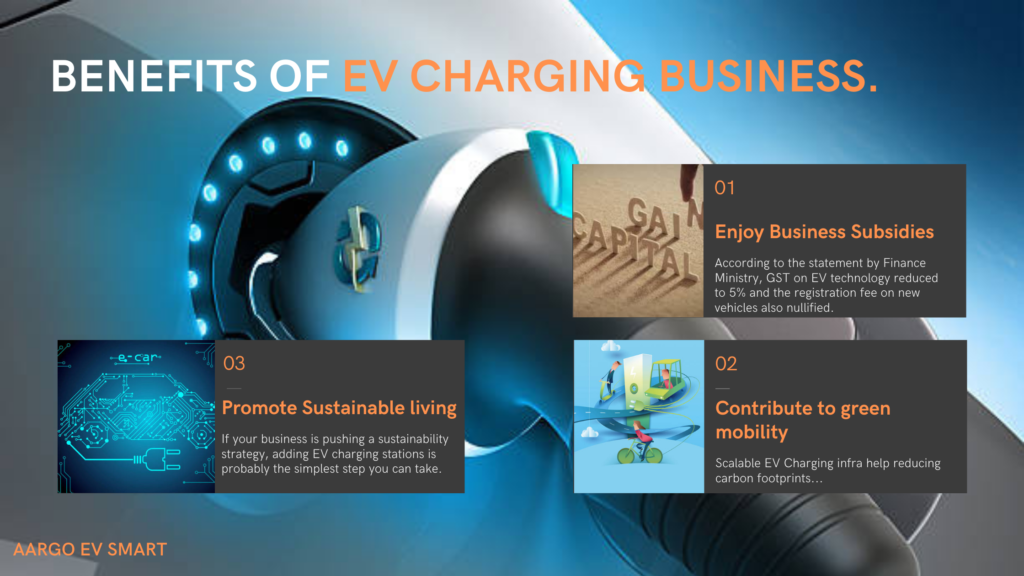
Wyoming treats public EV charging stations like traditional fuel providers. Electricity used to charge EVs is considered an alternative fuel, meaning station owners must collect and remit a fuel-equivalent tax and pay an annual licensing fee. This law, enforced since late 2025, applies to both Level 2 and DC fast chargers, requiring monthly reporting to the Wyoming Department of Transportation. While designed to maintain road funding equity, the tax has already caused some small operators to shut down, highlighting the importance of strategic planning before entering the Wyoming EV market.
Legislators are actively working on adjustments to balance infrastructure growth with revenue needs. House Bill 145, introduced in 2026, proposes exemptions for Level 2 chargers while keeping fast chargers taxed, targeting primarily through-travelers rather than local users. If passed, these changes could make slower “destination” chargers much more financially attractive for local businesses, creating opportunities to capture loyal customers without the burden of high taxes on fast-charging stations.
Wyoming’s strategy emphasizes private-sector deployment supported by federal funding, not state-run networks. Through the National Electric Vehicle Infrastructure (NEVI) program, charging stations along major corridors—Interstates 25, 80, and 90—are fully funded, and off-corridor projects are eligible for grants. The state’s approach relies on private and local investment, meaning forward-thinking companies can build infrastructure that meets NEVI standards and positions them at the center of Wyoming’s growing EV ecosystem.
For business owners and CEOs, Wyoming represents a rare first-mover opportunity. The combination of high-traffic corridors, potential legislative relief for Level 2 stations, and available NEVI grants creates an ideal environment to capture market share in the EV charging sector. Investing now not only aligns your company with the nation’s clean energy future but also establishes your brand as a leader in an emerging, high-demand industry—secure your position before competitors do.