

Montana
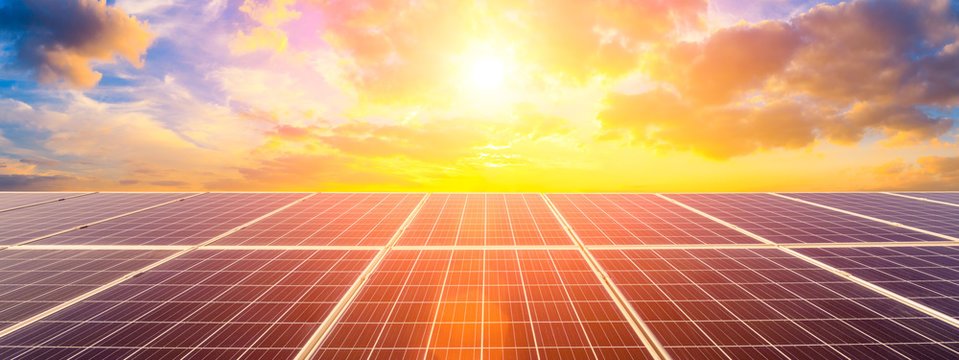
Over the past decade, Montana’s approach to commercial solar has evolved from a largely decentralized, developer-driven model to a more structured and supportive policy environment. Early in the 2010s, commercial solar projects faced limited state-specific incentives and regulatory guidance, requiring businesses to navigate complex permitting and utility agreements independently. Programs such as the Alternative Energy Revolving Loan Program (AERLP) and federal Investment Tax Credits provided critical financial support, while property tax exemptions helped mitigate the cost of installation. Despite these early challenges, private investment in utility-scale and large commercial projects began gaining traction, signaling Montana’s untapped renewable energy potential.
As of 2026, Montana is actively fostering commercial solar development through a combination of legislative support, financial incentives, and evolving grid integration policies. Recent initiatives, including community solar legislation and enhanced loan programs, provide businesses with flexible pathways to adopt solar solutions, whether through on-site installations or participation in shared solar projects. Combined with continued federal tax incentives and state property tax exemptions, these measures position Montana as a competitive environment for forward-thinking organizations looking to reduce energy costs, achieve sustainability goals, and enhance operational resilience.
For business leaders seeking strategic energy solutions, adopting solar presents a compelling opportunity to drive both financial and environmental outcomes. We offer comprehensive guidance for integrating solar into your operations—whether for corporate headquarters, production facilities, or a combination of sites. From navigating incentives and financing to system design and implementation, we are committed to helping you capitalize on Montana’s evolving solar landscape and realize measurable value for your organization.
Montana’s stance on commercial wind power is shaped by a combination of economic, political, and environmental factors, resulting in a varied and sometimes conflicting landscape. At the state level, officials, including Governor Greg Gianforte, have generally expressed support for wind energy as part of a broader effort to diversify Montana’s energy portfolio. They emphasize the potential for economic investment, job creation, and complementing traditional energy sources such as coal and hydroelectric power. The Montana Department of Environmental Quality also provides guidance and programs to encourage renewable energy development, reflecting recognition of the state’s abundant wind resources.
In many rural counties, wind projects are welcomed for their economic benefits. Large-scale developments bring tax revenue, lease payments to landowners, and local jobs, helping fund schools, roads, and community services. Projects such as the Clearwater Wind Energy Center have demonstrated how wind energy can serve as a significant economic boost to local communities. For these counties, turbines are often viewed as a practical way to support economic growth in areas with limited alternative opportunities.
At the same time, opposition exists in several communities, driven by concerns over property rights, aesthetics, noise, and potential impacts on land values. Some counties have implemented zoning restrictions to limit turbine placement, and state lawmakers have proposed measures to impose setbacks or height limits, effectively restricting wind development in certain areas. Environmental groups generally support wind energy but stress the importance of responsible siting to minimize harm to wildlife, especially birds and bats. As a result, Montana’s approach to wind power reflects a balance between statewide support, local economic interests, property concerns, and environmental stewardship, creating a patchwork of opinions across the state.
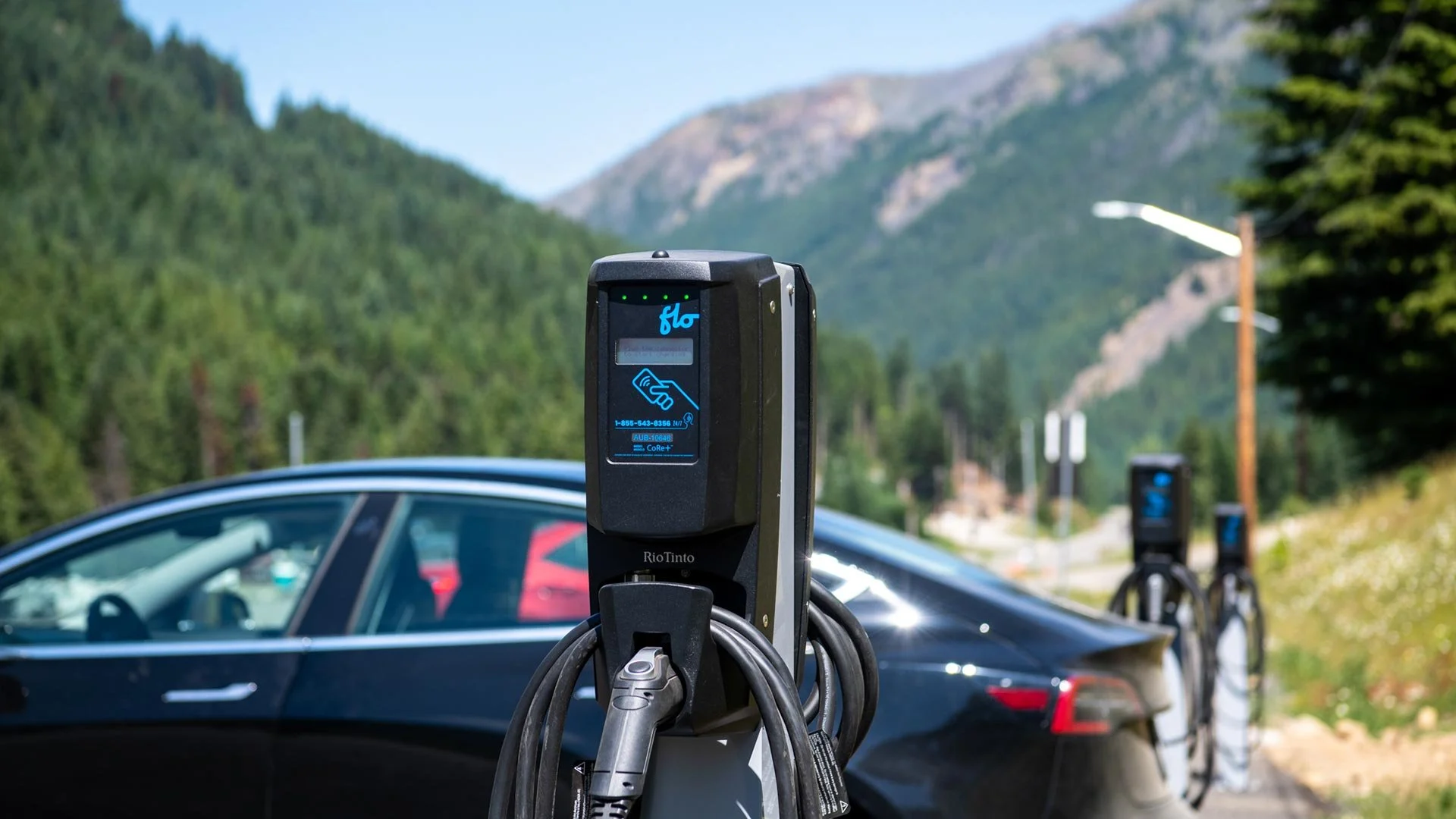
Installing electric vehicle (EV) charging stations at your company or property offers a strong advantage in attracting and retaining customers, tenants, or visitors. With the growing popularity of EVs, people are increasingly seeking out businesses that support sustainable practices. By providing convenient charging options, you make your location more appealing, encourage longer visits, and foster loyalty among environmentally conscious clients and tenants.
EV chargers also serve as a valuable perk for employees. Allowing staff to charge their vehicles on-site can improve convenience, boost morale, and help retain top talent. Employees benefit from reduced commute stress and increased productivity, knowing they have reliable access to charging during the workday. This simple amenity signals that your company values its workforce and keeps pace with evolving workplace expectations.
From a strategic perspective, EV infrastructure strengthens your brand image, aligns with sustainability goals, and can even provide potential revenue streams. Charging stations showcase your commitment to environmental responsibility, enhancing reputation and appealing to conscious partners and investors. Additionally, government incentives, grants, and tax credits can offset installation costs. For CEOs and business owners, installing EV chargers is not just a practical amenity—it’s a forward-looking investment that elevates your company’s profile, attracts top talent and clients, and positions your business as a leader in the green economy. If you are looking for strategic, well-designed blueprints tailored specifically for your business, we would love to assist you and set you up for success when it comes to building EV car charging stations.